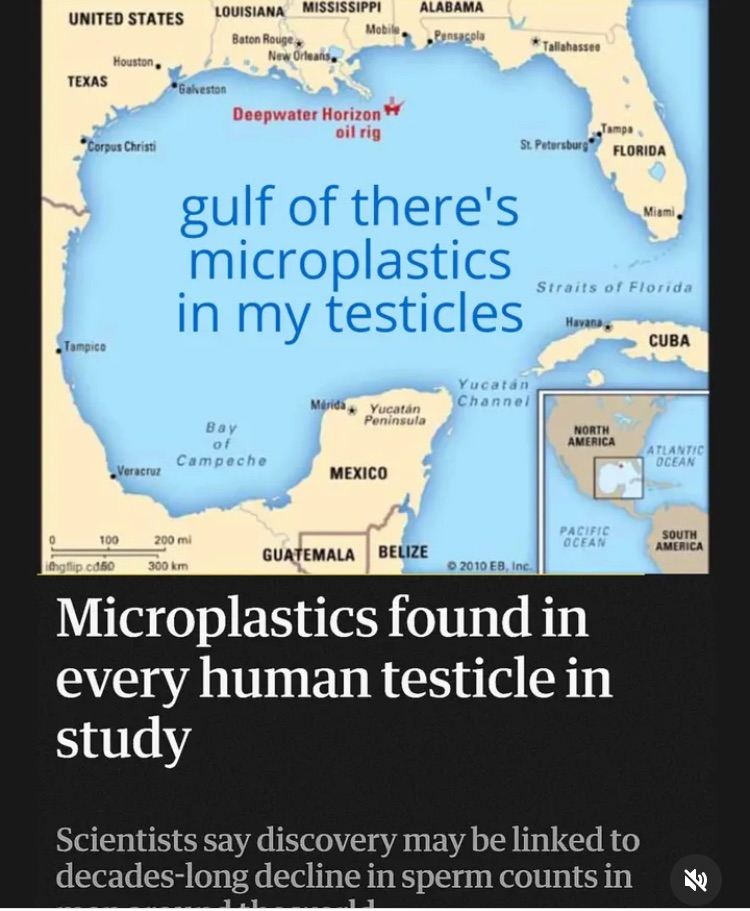
Sorry! Of course I mean there’s microplastics in the penises!
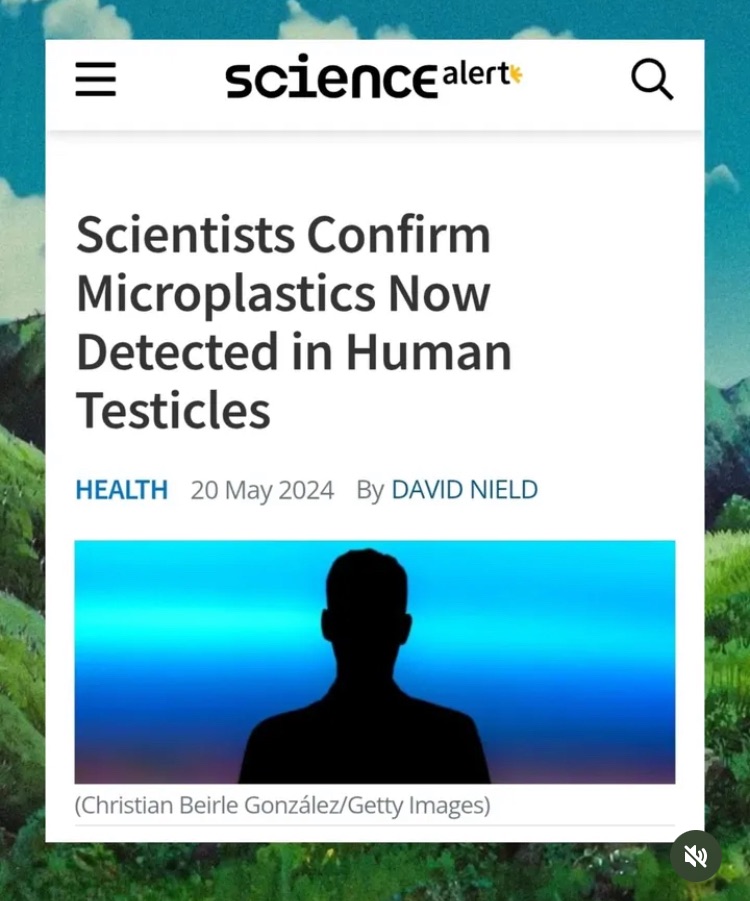
In a shocking and disturbing development, scientists have discovered microplastics in human penises for the first time, underscoring the alarming proliferation of these tiny particles in our environment and their potential impact on human health.
If this doesn’t serve as a wake-up call for the world, we’re screwed.
But surely, now that the boys are directly and intimately affected, they’ll pull out all the stops and apply some Big Dick Energy to sorting this shit out! And ideally before we go the way of homo erectus…
The Invasion of Microplastics
For years, microplastics have been found in various parts of the human body, from lungs to bloodstreams.
However, the recent finding of microplastics in male genitalia highlights a new and deeply personal dimension to this growing environmental crisis. The intrusion of microplastics into such an intimate part of the human anatomy is a testament to how pervasive and insidious these pollutants have become.
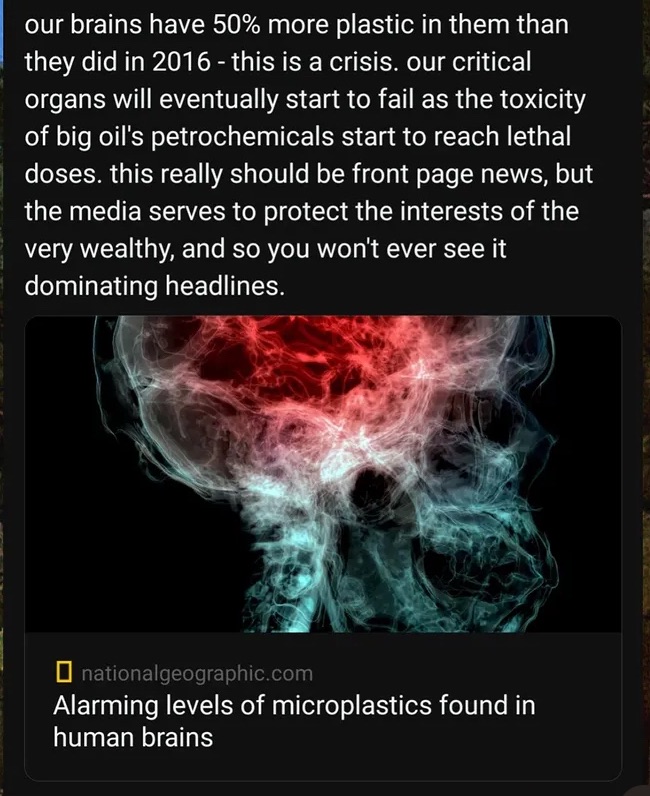
Literally, we’re all plastic paddies now.
Microplastics Penetrating People: A ‘Dick-scovery’ We Could Do Without
It wasn’t long ago that scientists began to discover microplastics in human blood, organs, and even placentas. But the latest, and perhaps most unsettling discovery for the boys is that microplastics have made their way into the penile tissue.
How did scientists figure this out? They went looking for them.
Researchers have been examining tissue samples from various parts of the body to understand just how pervasive these particles are.
According to recent studies, men undergoing certain urological surgeries had microplastic particles detected in their penile tissue.
The revelation has scientists scratching their heads – and perhaps shifting uncomfortably in their chairs – as they try to understand the implications of this contamination.
Could this contribute to erectile dysfunction? Fertility issues? The truth is, they don’t know, but the mere presence of these particles where they absolutely shouldn’t be is cause for concern.
The Bigger Picture: Oil, Plastics, and How We Got So Screwed
In the end, we might have to come to terms with the fact that the real dick move was letting it get this bad in the first place.
If you’re asking, “How in the world did it come to this?”, let’s join the dots between big oil, plastics, and the money machine that keeps it all running.
Plastics are derived from petrochemicals, which are made from—you guessed it—oil.
It’s no secret that the production of plastic is a highly lucrative side business for oil companies. The relationship between big oil and the plastics industry is like a twisted romance where they both benefit at the expense of everyone else.
Biggus Dickus
The top five companies identified as the biggest plastic polluters globally, based on various brand audits and reports, are:
- The Coca-Cola Company – For the sixth consecutive year, Coca-Cola has topped the list of plastic polluters, responsible for a significant portion of global branded plastic waste. In 2023, its products were found in 40 different countries, making up a staggering 11% of the plastic waste audited(Plastic Pollution Coalition)(Dalhousie University).
WE NEED TO TALK ABOUT YOUR COKE HABIT.
2. PepsiCo – Following closely behind, PepsiCo contributes around 5% of global branded plastic pollution. PepsiCo products were found in 30 countries, making them another major player in this ongoing crisis(Break Free From Plastic).
- Nestlé – This food giant ranks third, accounting for about 3% of branded plastic pollution worldwide(Plastic Pollution Coalition)(Dalhousie University).
- Danone – Known for its bottled water brands, Danone is responsible for another 3% of the plastic waste found in global audits(Break Free From Plastic).
- Altria/Philip Morris International – This company, primarily known for tobacco products, rounds out the top five, contributing 2% to the world’s plastic pollution(Break Free From Plastic)(Climate Fact Checks).
These companies are all tied to the widespread trend of single-use plastic packaging, and despite their public commitments to sustainability, they remain the largest sources of plastic pollution globally.
The Health Risks of Microplastics
Microplastics, defined as plastic particles less than 5 millimetres in diameter, are not just a problem for the fish anymore.
While the long-term health implications of microplastics are still being studied, their presence in the human body raises significant concerns. The potential health risks include:
- Hormonal Disruptions: Microplastics can act as endocrine disruptors, interfering with hormone function and potentially affecting reproductive health.
- Immune System Impacts: The immune system may respond to microplastics as foreign invaders, leading to inflammation and other adverse effects.
- Carcinogenic Risks: Some plastic additives are known carcinogens, and their presence in the body could increase the risk of cancer.
The discovery of microplastics in penises adds an additional layer of concern regarding male reproductive health, with unknown consequences that merit immediate scientific and public attention.
The Problem with Plastic
In terms of plastic bottles alone, they’re made primarily from polyethylene terephthalate (PET), a non-biodegradable material.
Their environmental impact is significant:
- Decomposition: A single plastic bottle can take up to 450 years to decompose, persisting in the environment long after its initial use.
- Microplastics: As plastic breaks down, it forms microplastics, which have been found in oceans, freshwater systems, and even in human bodies, posing potential health risks.
How Oil and Water Mix
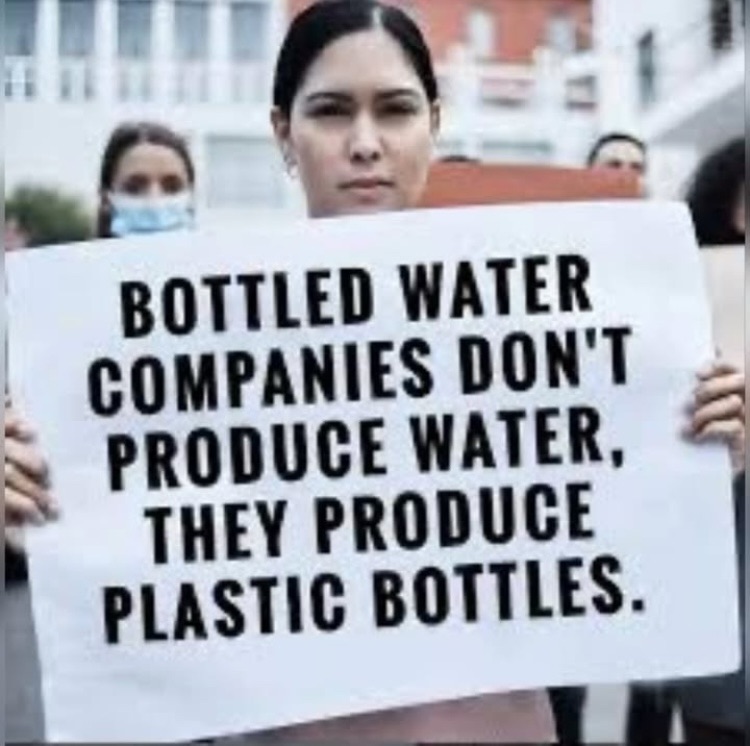
Let’s take a look at the biggest and most mind-boggling phenomena: the bottled water industry.
This business model has somehow convinced millions of people to buy water (a substance that is freely available in most developed countries) in single-use plastic bottles—bottles made from, you guessed it again, oil.
It’s almost poetic in its absurdity.
But why are you buying bottle water anyway?
Perceived Problems with Water Supply
Several factors contribute to the increased reliance on bottled water over tap water:
- Safety Concerns: In many regions, concerns about the safety and quality of tap water have driven consumers to choose bottled water. High-profile incidents, such as the Flint water crisis in the United States, have undermined public trust in municipal water supplies.
- Taste and Quality: Some consumers perceive bottled water to taste better and be of higher quality than tap water, influencing purchasing decisions.
- Convenience: Bottled water offers a level of convenience that tap water cannot match, particularly in areas with inadequate infrastructure for safe and reliable tap water access.
Why Are We Letting This Happen?
The answer, as always, is money.
- Global Market Value: As of 2024, the global bottled water market is valued at approximately $350 billion and is projected to reach over $500 billion by 2030, with a compound annual growth rate (CAGR) of about 8%.
- Volume of Consumption: In 2023, global bottled water consumption reached approximately 362 billion litres, with the United States, China, and Mexico being the largest consumers.
- Top Brands: Leading brands in the industry include Nestlé Waters, PepsiCo (Aquafina), and Coca-Cola (Dasani), which together hold a significant market share.
The Environmental Costs of Bottled Water
The growth of the bottled water industry has brought with it significant environmental challenges. The production, distribution, and disposal of bottled water have notable effects on natural resources and ecosystems:
Resource Consumption and Pollution
- Water Usage: It takes approximately 1.39 litres of water to produce 1 litre of bottled water. Lol!
- Energy Consumption: The energy required to produce and transport bottled water is estimated to be over 2,000 times greater than that for tap water.
- Plastic Waste: Bottled water is a major contributor to plastic pollution, with an estimated 1 million plastic bottles purchased every minute worldwide. Around 91% of these bottles are not recycled, leading to massive amounts of plastic waste in landfills and oceans.
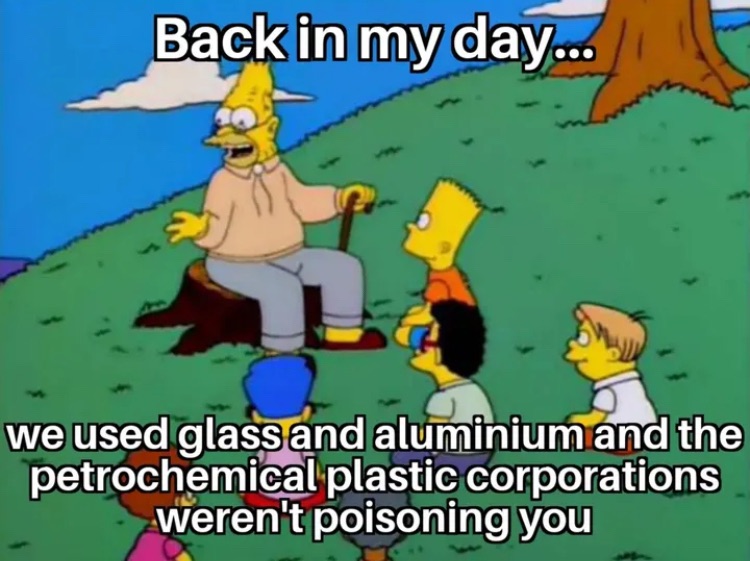
The truth is that there are sustainable, green technologies available that could replace plastics, reduce our reliance on oil and stop the spread of microplastics.

But these alternatives are often suppressed or underfunded because the powers that be – those who profit from oil and plastics – are not interested in solutions that could potentially cut into their profits.
The patriarchy plays its part here too. Traditional power structures have long been dominated by those who benefit from the status quo—namely, wealthy men at the top of the corporate and political ladders.

These are the folks who’ve been dragging their feet on environmental regulations, climate change policies, and the promotion of renewable energy, all while conveniently overlooking the fact that they might be literally poisoning their own… assets.
What a bunch of dicks.
Top This. No Cap
What counts for innovation in this sector? The revolutionary “connected cap.”!
After years of tireless research and innovation, they’ve finally solved the age-old problem of… losing the cap.
The reasoning, of course, is that connecting the cap makes recycling easier, keeping all that precious plastic together in one spot.
OK whatever.
What’s most remarkable is how quickly and easily this appears to have been rolled out: no discussion, no lobbying, no public discourse. They just did it. See? Where there’s a will there’s a way.
But let’s be real—this is a drop in the ocean when it comes to the kind of innovation we need to address the planet’s plastic crisis.
It’s like slapping a Band-Aid on a sinking ship.
What can you do?
Nothing. Literally. You don’t have to buy this bullshit. In fact. That is the only way we’re going to get out of this.
Choose plastic free wherever you can. Get a reusable water bottle. And keep the faith: now that the boys know there is a seriously bad plastic problem, given now that it is seriously close to home for all of us, something will be done. Surely.
Stand ready.
 Domesticky
Leave a comment