
Travellers, Tourists, and Triumphs
There’s something deeply fascinating about the British when they go abroad.
Whether as intrepid travellers or sun-seeking tourists, they bring their own unique approach to experiencing foreign lands.
While some venture out to appreciate, learn from, and immerse themselves in local cultures, others are compelled to transplant a slice of Britain wherever they land.
Compare a soft-spoken traveller like Anthony Bourdain, who famously immersed himself in the authentic flavors and stories of the places he visited, with the loud, lager-loving “Brit abroad” archetype that dominates package holidays.
The contrast couldn’t be starker.
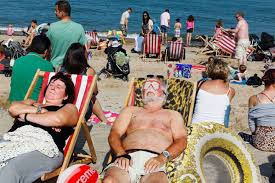
A Tale of Two Tourists
Anthony Bourdain, all be he US Imperialism in human form, exemplifies what it means to engage deeply with other cultures. Known for sitting humbly with locals, sharing meals, and seeking out the people who make the place, Bourdain’s travels celebrated the uniqueness of each.
He learned, listened, and left the culture intact – appreciating the subtle differences in cuisines, traditions, and stories. In fact, he championed what he found – and had a healthy disregard for monarchy.
Contrast this with the British tourist in Spain, a figure so influential they’ve reshaped entire swathes of the country.
From Benidorm to Magaluf, streets are lined with English pubs serving the full English, menus are translated into British slang, and local siestas are replaced by karaoke and happy hour.
Rather than amplifying Spanish culture, these areas reflect a distinctly British version of “abroad,” – one where locals often adapt to meet tourist demand, creating an exportation of Englishness to the detriment of the host culture.

The Modern Tourist and the Colonial Echo
This phenomenon isn’t new.
In fact, it’s part of a long tradition of British people going abroad and reshaping the local landscape to suit their needs.
During the British Empire, colonists didn’t just settle—they transformed.
In India, the British introduced railways and cricket, not to adopt the local way of life, but to recreate a sense of Britishness.
In Ireland, they imposed English law, language, and religion, dismantling native systems.
In Australia, they not only displaced Indigenous populations but attempted to recast the land into a British image, complete with cricket greens and tea culture.
Whether through governance, architecture or agriculture, colonial Brits overwhelmed local cultures, convinced of their supremacy and the universal appeal of their way of life.
Modern tourism echoes these patterns, albeit on a smaller scale. The overwhelming presence of British holidaymakers in places like Spain or Greece has led to the erasure of local customs in favour of an “all-inclusive” culture tailored to British tastes.
Resorts adapt to their clientele, offering Sunday roasts and football screenings instead of tapas and flamenco.
In effect, the package holiday industry has collectively altered the identity of these destinations, embodying a new, subtler form of cultural imperialism.
From Coloniser to Consumer
What ties the colonial Brit to the modern tourist is a sense of entitlement — the belief that their way of life is inherently superior or preferable.
Whether it’s imposing British governance on colonies or insisting on baked beans with breakfast in a Spanish resort, the mindset remains the same: “If I’m here, it should suit me.”
This entitlement, wrapped in convenience or tradition, may seem harmless on a holiday but becomes insidious when viewed on a historical spectrum. It reveals an inability—or unwillingness—to engage with the unfamiliar on its own terms, demanding assimilation to British norms instead.
Whether as colonisers or consumers, the British abroad have a unique way of leaving their mark – consciously or otherwise.
While modern tourism lacks the overt power dynamics of empire, it carries echoes of that same supremacy, subtly reshaping local cultures in ways that prioritise British comfort over genuine engagement.
Perhaps the challenge for today’s travellers is to break that cycle, to travel like Anthony Bourdain – humbly, curiously, and with an appreciation for the richness of cultures as they are. Not as we would like them to be.

 Domesticky
Leave a comment