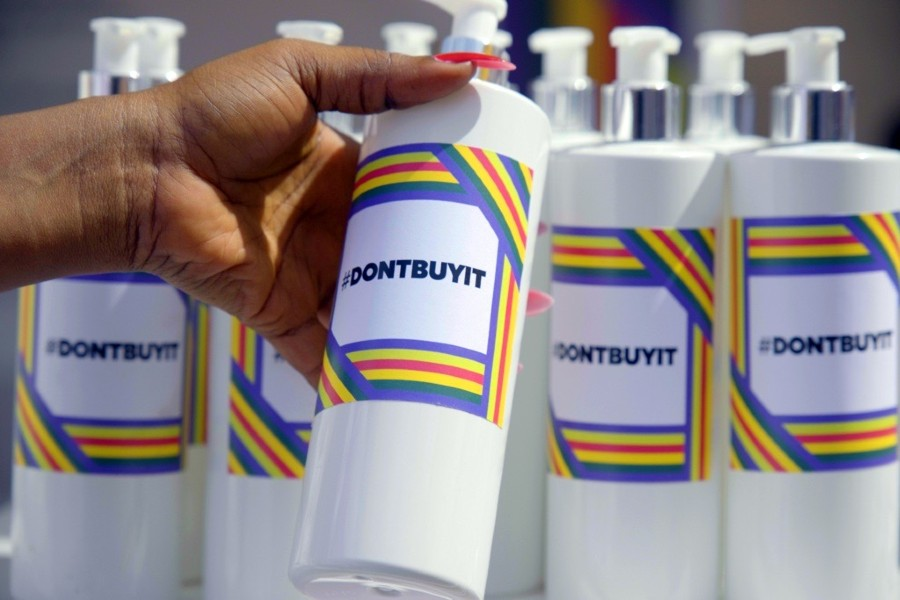
How to Stop Shopping and Accidentally Become a Millionaire. Maybe.
Everything is too expensive, the water is full of shite and while the billionaires are playing real-life Monopoly in space, many of us are scraping by.
Are we all expected to just keep consuming like good little cogs in the machine – ignoring the price gouging, the environmental destruction, and the human rights violations (Palestine, anyone?)?
Enough. If we really want to hit them where it hurts, there’s only one thing to do: stop giving them our money. Even for a day. The best part? You’ll save a fortune overnight. Stick with it long enough, and you might just accidentally get rich while making the world a better place.
And before you say, boycotts don’t work… let’s have a little national pride.
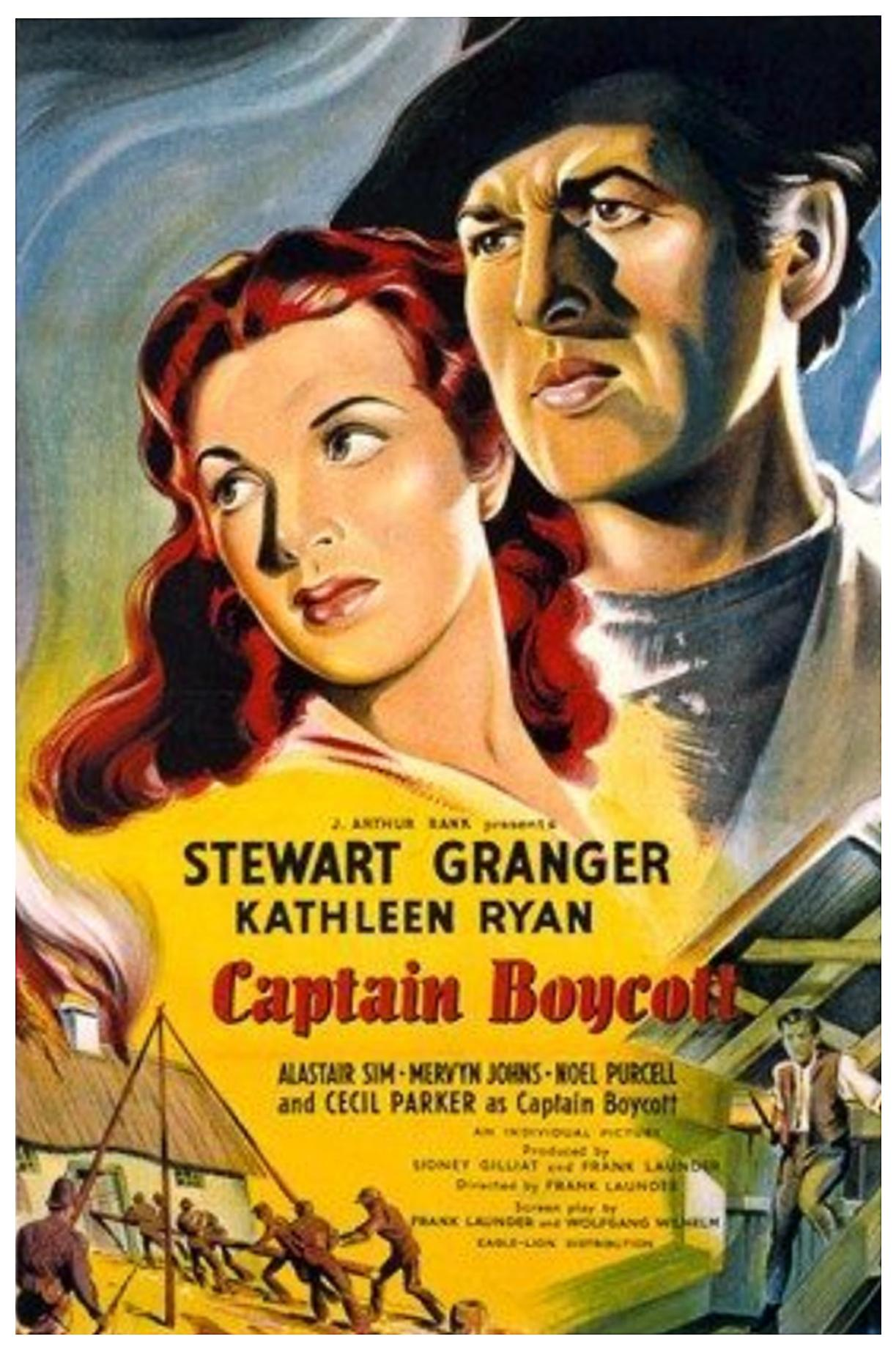
The term boycott itself was born in Ireland, when Captain Charles Boycott, an English landlord’s agent, tried to squeeze the life out of Irish tenant farmers in the 1880s. The people fought back – not with violence, but by cutting him off completely.
No workers, no service, no business.
He was socially and economically frozen out so badly that he had to flee the country.
That’s the power of collective action, and if the Irish could do it then, we can bloody well do it now.
If boycott feels a bit too militant for you, think of it instead as moral purchasing – a way to align your spending with your values.
At its core, moral purchasing is just consumer activism: choosing where your money goes based on ethics rather than convenience.
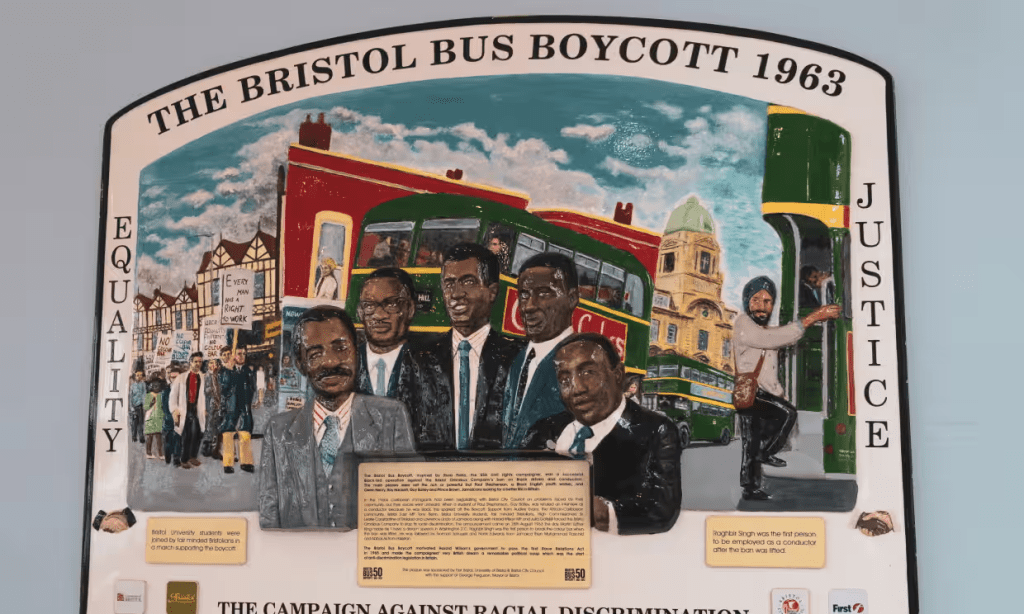
When governments do it, they call it sanctions. When we do it, it’s simply making deliberate, informed choices. Sure, not every boycott topples an empire overnight, and plenty fizzle out before making a dent in sales. But collective action adds up.
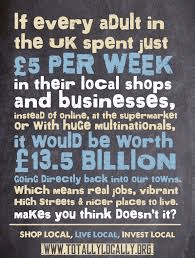
Shift small spending habits – support local, ethical, or independent brands instead of mindlessly feeding corporate machines – and create ripple effects.
It’s not about never spending money again; it’s about spending it in a way that actually reflects what matters to you.
BEGIN THE BOYCOTT
Step 1: Go Full Ghost on Retail
You know those retail apps? Delete them. Those promotional emails? Unsubscribe faster than you’ve ever unsubscribed before. No more “20% off today only” bait. No more “We miss you, here’s 10% off” gaslighting.
Better yet – go to their actual websites, leave a review, and tell them exactly why you’re not shopping anymore. Companies track Net Promoter Scores (NPS) like their lives depend on it – because, well, they do. One nasty dip in consumer sentiment and the boardroom starts sweating through their suits.
Want to go full savage mode? Fill your online carts and abandon them. But—and this is crucial—only with what you would normally buy. No fake €10K Rolexes (they’ll think it’s a bot). But a full trolley of groceries, the skincare you regularly purchase, a few household essentials? That’s enough to spook their data analysts into an existential crisis.
🚨 The Worst Offenders: Apps You Should Delete ASAP
If you really want to reclaim your spending power, start by cutting off the worst of the worst.
These apps are designed to turn you into a mindless consumer, feeding off your boredom, impulse buying, and the illusion of saving money while draining your wallet and funding shady supply chains.
Trust me. You lived without them before and you’ll live without them again. It’s liberating.
- Temu – Dirt-cheap, questionably sourced, and built to flood landfills with garbage that barely survives a wash.
- Shein – Fast fashion’s most egregious offender, built on worker exploitation and environmental devastation.
- Amazon – Convenience at the cost of small businesses, warehouse workers’ well-being, and a fair economy.
- Wish – If you like your purchases to be a wild gamble between hilariously bad and completely unusable, go ahead.
- AliExpress – Tempting prices, but expect month-long shipping, questionable quality and zero accountability.
Every one of these apps preys on impulse, urgency, and the illusion of a bargain. But you’re smarter than that.
Delete them. Block them. Move on.
Step 2: Keep Your Money Where It Belongs (With You!)
Every day you don’t spend is a day you keep your hard-earned cash where it should be – lining your own pockets, not funding some CEO’s third yacht.
Immediate benefits:
✅ You’ll be shocked at how much random shite you buy without thinking.
✅ You’ll feel a strange power surge when you don’t click “Add to Cart.”
✅ You’ll experience the pure thrill of seeing your bank balance not plummet.
Take the challenge: One week. No unnecessary purchases.
Essentials only. Track what you would have spent and see the total. Do this for a month and you’ll start wondering why you ever spent so much in the first place.
Step 3: Make Retail Giants Suffer (While You Thrive)
Look, you don’t have to fully opt out of the economy (unless you’re ready for off-grid life which sounds super appealing in the time of end stage capitalism). But you can make strategic decisions that hit corporations where it hurts:
🔹 Shop second-hand. Charity shops, Facebook Marketplace, local sellers – your money stays in your community, not in Jeff Bezos’ pocket.
🔹 Support small, ethical businesses. If you must buy something, buy from the little guys who actually give a damn.
🔹 If you have to shop big, disrupt the market. Buy from lesser-known brands that compete with the corporate monsters. Market share is everything – they hate losing it.
Step 4: Hold the Line – Because Change Takes Time
Right now, most retailers are entering earnings call season. They won’t report Q1 2025 results until May. If you start pulling back your spending now, they’ll definitely feel it by then.
And when that happens? They’ll panic.
You know what happens when corporations panic? They change.
They adjust pricing strategies, rethink how they treat workers, and scramble to figure out why consumers have suddenly grown a backbone.
The longer we keep this up, the more power we reclaim. And in the meantime? You’ll have more money, more financial breathing room, and—dare I say it—possibly the best accidental savings plan of your life.
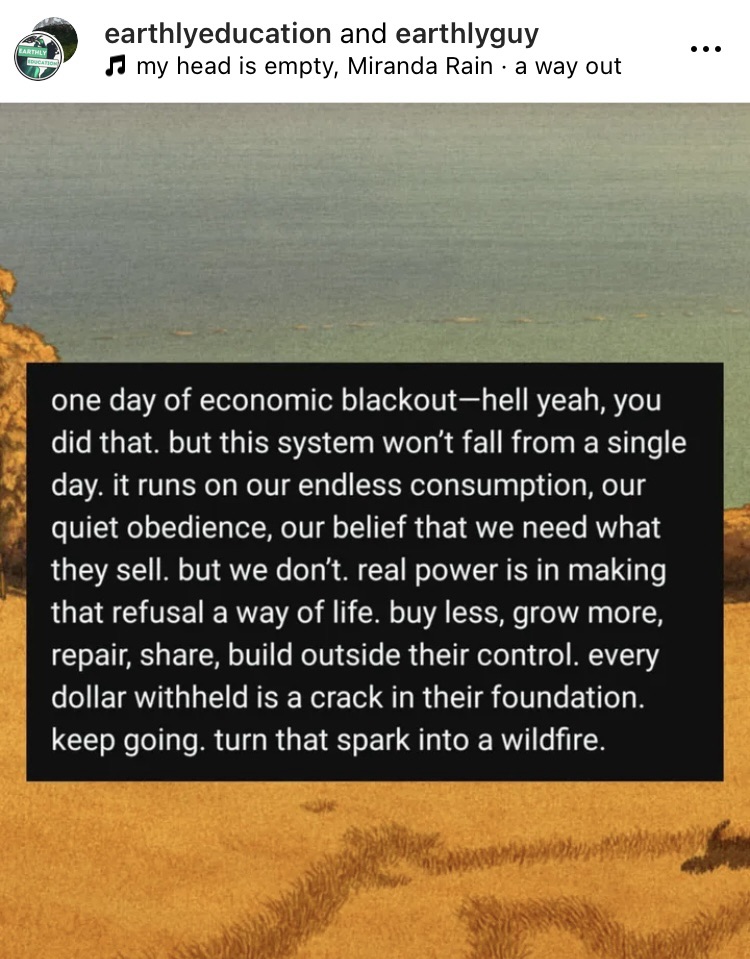
Final Thought: What If You Just… Kept Going?
Imagine you never returned to impulse spending. Imagine every unnecessary fiver you used to drop on nonsense stayed in your pocket. Imagine if you redirected even half of that into savings, investments, or – mad idea – a small business of your own?
Would you accidentally become a millionaire? Maybe.
Would you definitely be richer than you are right now? Absolutely.
So go on. Give capitalism the silent treatment. Your future self will thank you.
 Domesticky
Leave a comment