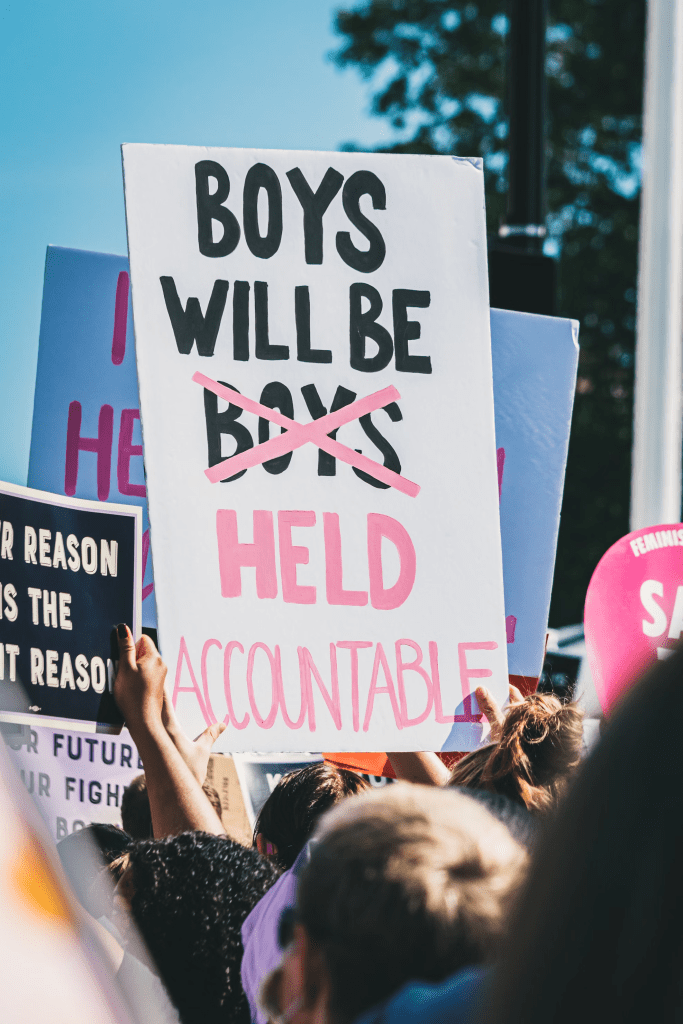
Where is he? The wise man? Happy to show the way and also all too willing to follow.
The silver fox of a father figure, the guardian, the steady hand on the wheel? The man who can lead without controlling, guide without dictating, and protect without oppressing?
The kind of king of a man who exists entirely as a quiet, unwavering presence, offering wisdom and strength in equal measure. The moral compass, the protector of home and hearth. The unshakeable rock of a person you could cleave to in times of uncertainty.
Does he even exist? Was he ever real? Or was he just a construct, an idealised version of masculinity meant to justify a social order that put men at the top?
If such men ever existed, they were fewer and farther between than we’ve been led to believe.
More often, the father figure in history was not a gentle mentor, but an enforcer of patriarchal power, the hand that maintained order through discipline, silence, or outright control.
In Ireland, the concept of the patriarch was deeply intertwined with the institutions that shaped the nation: church, state, and family.
The idealised male authority was often seen in the priest, the judge, the father of a large family who ruled with a mix of stern discipline and silent endurance.
But how many of those men were truly wise? How many led with fairness, and how many simply imposed control because that was the only model of masculinity they had been given?
Today, as the myths of patriarchy crumble, we are left wondering: where are the wise men? And more importantly – why do we keep looking for them?
Perhaps the real shift isn’t just in redefining masculinity but in questioning why we always assume wisdom must come from a single steady hand at all.
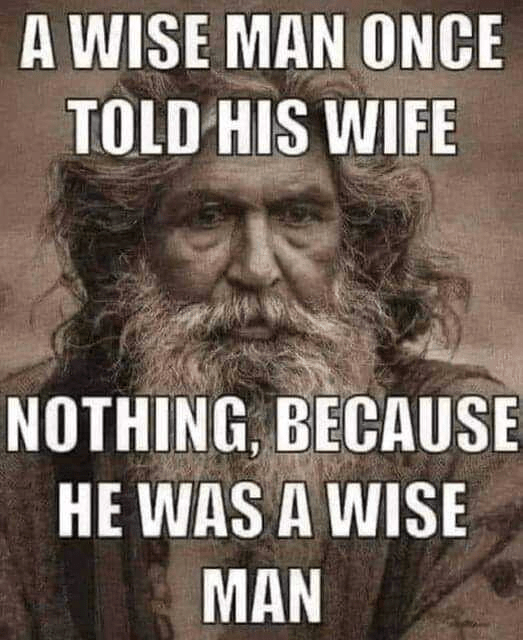
The Vanishing Patriarch
The old patriarchal figure has disappeared into the fog of modernity. Today, the weight of leadership – both in the home and in society – rests on more flexible yet resilient ground. If it’s allowed to.
The traditional “man in charge” model has crumbled under the realities of economic instability, shifting gender roles and a world that no longer values stoic, unquestioning authority.
The truth is, the steady-handed wise man was always more myth than reality.
Yes, there were – and are – great men: kind, thoughtful, reliable. But the idea that they were the default? That’s nostalgia talking.

The Constructed Patriarch: A Myth Bound to Fail
Patriarchy as a system needed to craft and perpetuate the myth of the infallible patriarch to maintain control and justify societal structures.
This idealised figure served as a cornerstone, legitimising male dominance in political, economic and social spheres. However, building a societal framework on such a narrow and unrealistic archetype was destined for instability.
In Ireland, this dynamic played out vividly. The early 20th century bore witness to a nation grappling with its identity post-independence.
The 1916 Proclamation had promised equality and universal citizenship, but the subsequent years told a different story.
Legislation in the Irish Free State from 1922 to 1937 systematically curtailed women’s rights, both politically and economically, reinforcing a male-dominated, traditional society.
The Catholic Church’s influence further entrenched these ideals, promoting a domestic identity for women and side lining their roles in the public sphere. Such a rigid system – suppressing half the population’s potential – was inherently unsustainable and set the stage for future societal upheavals.

Enter Toxic Masculinity: The Reaction to a Dying Myth
When a system is built on a myth and that myth starts to crumble, the people who have benefited most from it tend to panic.
Enter toxic masculinity — the last, desperate grip on an outdated model of manhood that no longer serves men, women, or society as a whole.
Toxic masculinity isn’t just about being masculine. It’s the belief that masculinity must be rigid, aggressive, and dominant to be valid. It tells men that power is the only thing that makes them valuable. It pushes emotional suppression, violence, entitlement, and control as the “natural” state of manhood.
And when men can’t live up to that impossible standard – when they feel powerless, lost, or rejected – some seek out the voices that promise to restore them to their so-called rightful place.
That’s where figures like Jordan Peterson and Andrew Tate come in.

Jordan Peterson: The Intellectual Father Figure
For men who feel adrift in a world that no longer places them automatically at the top, Jordan Peterson offers a comforting narrative. His brand of masculinity isn’t outright aggressive like Tate’s, but it still reinforces rigid gender roles under the guise of intellectualism.
Peterson tells men that the world is suffering from a lack of strong male leadership, that traditional hierarchies are natural, and that feminism has thrown everything into chaos.
He advocates for self-improvement – clean your room, make your bed, stand up straight – but it’s always in service of reclaiming a place in a system that favours men as leaders and women as their supporters.
He’s incredibly articulate but super short-sighted.
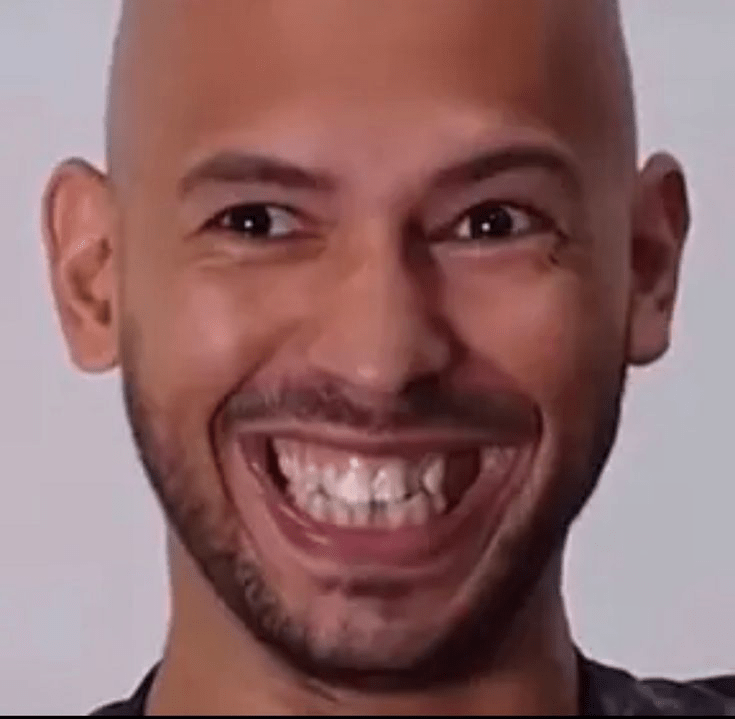
Andrew Tate: The Hyper-Masculine Hustler
Then there’s Andrew Tate, who takes this ideology and injects it with steroids, fast cars and thinly veiled misogyny. Tate’s version of masculinity isn’t just about reclaiming a role – it’s about dominating.
His message is simple: Get rich. Get women. Get power. And if you don’t have those things, it’s because you’re weak.
Tate plays into men’s worst insecurities by convincing them that modern society has feminised them, that equality has robbed them of their birth right and that the only way to get it back is through brute force – economically, physically, and socially.
His followers don’t just aspire to be successful; they want revenge on the world that made them feel inadequate.
He’s got the swagger but he’s a mega-misogynist.

Where It All Fits: A System in Collapse
Both Peterson and Tate are reactions to the same phenomenon: the slow collapse of the patriarchal myth.
Peterson represents the men who are trying to hold onto structure, looking for meaning in an old system that no longer makes sense.
Tate represents the men who are furious that they have to try at all, rather than simply being handed power like their grandfathers were.
Both sell the idea that men are meant to lead—one through intellect, the other through force. And both fail to recognise that the system they’re trying to reinforce was never sustainable in the first place.
The Problem With These “Solutions”
Here’s the issue: neither of these models actually help men.
Both still rely on men proving their worth through power, success, and control.
Neither allow for vulnerability, emotional depth or real partnership with women.
They just swap one impossible standard for another.
But the world is changing, whether they like it or not. The patriarch myth is breaking down.
Not because men have been robbed, but because it never worked in the first place.
It was built on inequality. And inequality is always a ticking time bomb.
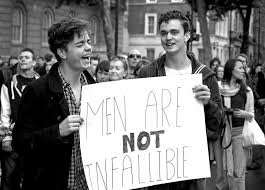
“Not All Men” and the Weight of Expectation
Of course, not all men do this. Some of them don’t do anything about it at all.
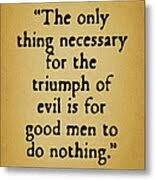
The burden of being the unshakable rock is exhausting. Men were told they had to lead, but they were never really given space to feel. And now? The pressure is immense.
But let’s be real – no man can live up to the expectations that have been placed on them, either.
The burden of being the unshakable rock is exhausting. Men were told they had to lead, but they were never really given space to feel. And now? The pressure is immense.
Take the Pressure Off, Lads
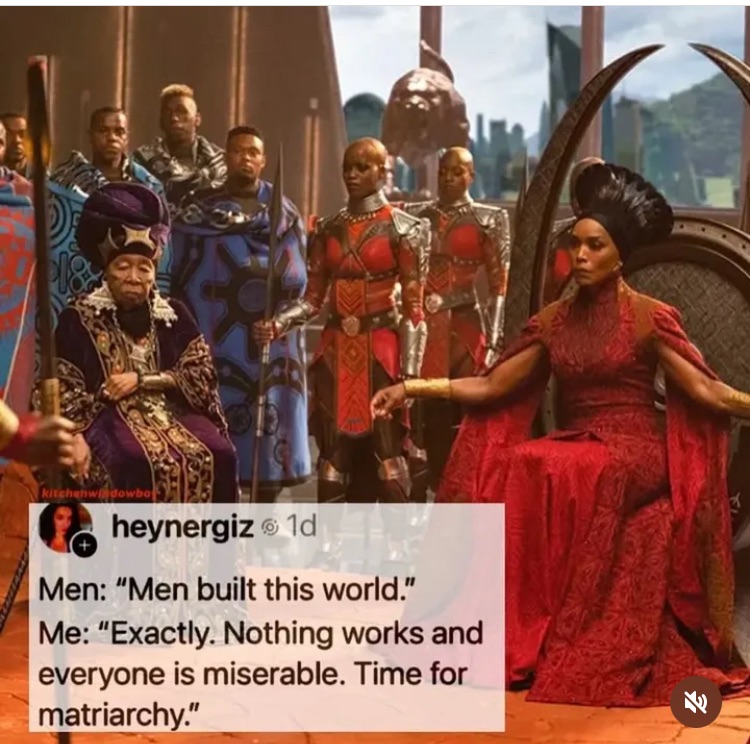
Maybe the greatest thing men can do for themselves – and for the world – and for me as this one woman – is to let go of the myth entirely. The myth that they have to know everything, be everything, fix everything.
Because here’s the thing- women have been living in a world of shifting expectations forever. Adapting, bending, filling in the gaps. Maybe it’s time for men to give themselves permission to do the same.
And honestly, lads, wouldn’t that be a relief?
 Domesticky
Leave a comment