
Isn’t that great news??
Modern life has a way of making us feel like we’re constantly failing. We’re told that success means relentless productivity, that exhaustion is a badge of honour, and that if we’re not always on the go, we must be lazy. But here’s the truth:
You’re not lazy. You’re alive.
Laziness, as we’ve come to understand it, doesn’t really exist.
People aren’t lazy—they’re distracted, overwhelmed, exhausted, and caught in an economic and social system that demands more than the human body and mind were ever designed to give.
The problem isn’t you; the problem is the always-on, hyper-capitalist, burnout-fuelled world that we’ve been conditioned to accept as normal.

The Myth of Laziness
We use the word “lazy” to explain why we haven’t ticked everything off our to-do lists, why we didn’t make it to the gym, why our inbox is a mess, or why we’re struggling to keep up with the endless demands of work, family, and personal life.
But what if we reframed this entirely? What if laziness isn’t real, but exhaustion is? What if distraction is a symptom, not a defect?
When people feel “lazy,” what they’re actually experiencing is decision fatigue, burnout, emotional overload, or mental clutter.
The constant stream of demands – work deadlines, social media updates, financial stress, household responsibilities – creates a kind of paralysis.
It’s not that you don’t want to do things. It’s that your brain is drowning.

Capitalism and the Exhaustion Machine
Let’s be blunt: our economy runs on our exhaustion.
The modern capitalist system thrives on people believing that they are never enough. That there is always more to do, more to buy, more to achieve. It convinces us that rest is indulgence, that relaxation must be earned, and that our worth is tied to our output.
This isn’t a conspiracy theory. It’s the foundation of the productivity-obsessed world we live in.
Every app, every workplace, every piece of advertising is built around the idea that you should be doing more. The result? People are mentally and physically drained before they even start their day.
When you find yourself unable to “get it together,” it’s not because you lack discipline. It’s because you’re fighting against an inhuman system that treats people as machines. The world you live in is designed to extract as much from you as possible while offering very little in return. And that’s not your fault.
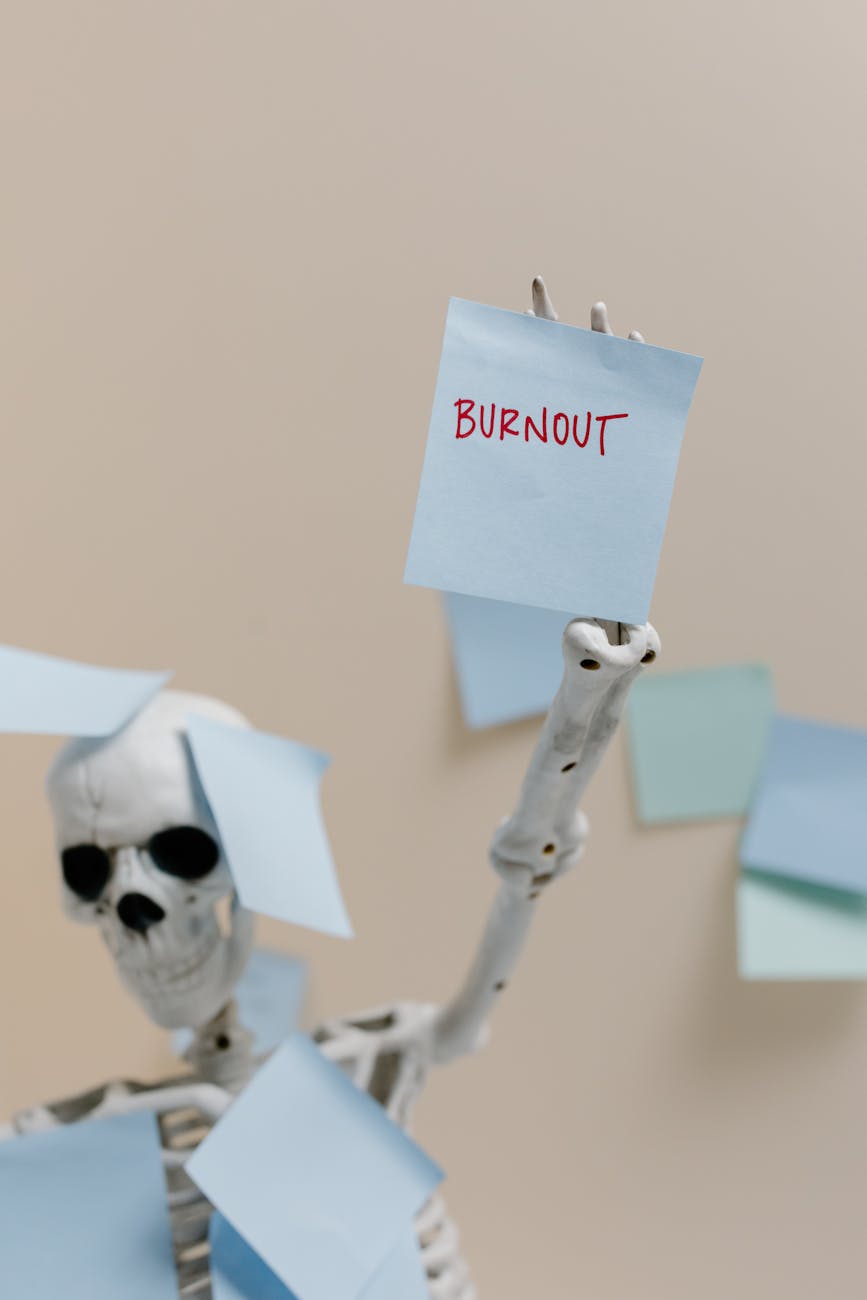
The Science of Mental Overload
Our brains are not built for the sheer amount of information and decision-making that modern life demands. Cognitive science tells us that humans can only handle a certain number of decisions per day before we experience “decision fatigue.”
Every choice – what to wear, what to eat, how to reply to an email — chips away at our mental energy.
Beyond that, we live in a 24/7 attention economy, where everything competes for our focus. Social media, emails, notifications, ads, the pressure to keep up with the news cycle—it’s all a never-ending flood of input. No wonder so many people feel too tired to function by the time they reach their personal goals.
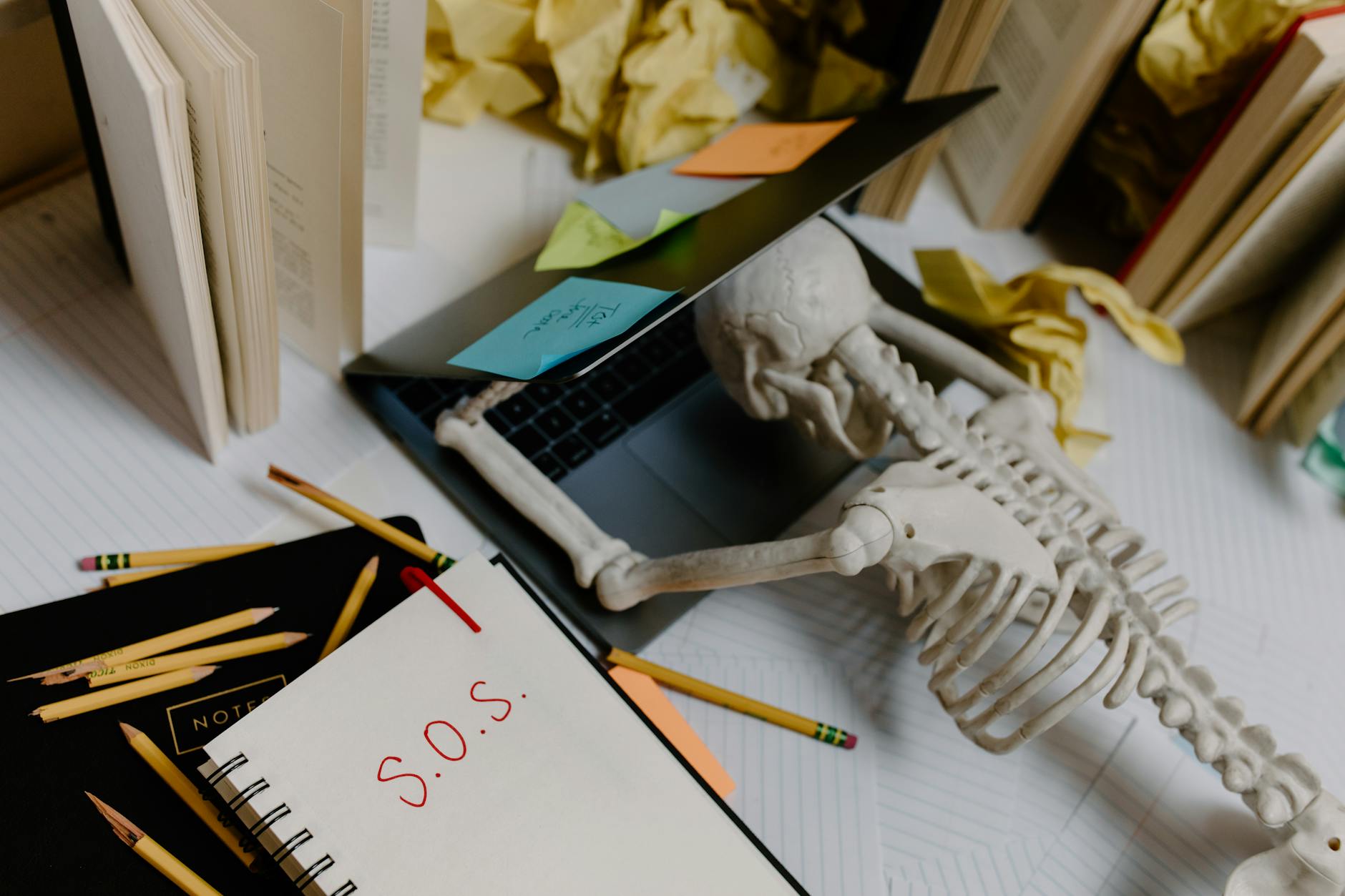
The Thinkers Who Saw This Coming
This isn’t a new idea. Some of the greatest spiritual and philosophical thinkers of our time – Eckhart Tolle, Byron Katie, and Michael Singer – have spent years teaching people how to step outside of this mental chaos.
They offer different paths to the same realisation: most of our suffering comes from believing every thought that crosses our mind.
- Eckhart Tolle (The Power of Now) teaches that we are not our thoughts, and that real peace comes from stepping into the present moment instead of getting lost in endless mental noise.
- Byron Katie (The Work) developed a powerful method of questioning thoughts to see if they are actually true. When we stop taking every thought seriously, we can free ourselves from self-judgment.
- Michael Singer (The Untethered Soul) talks about letting go—surrendering our need to control everything and simply observing the mind instead of getting tangled in its chatter.
When we apply these ideas to our own exhaustion, the picture becomes clearer.
We don’t need to “fix” ourselves. We need to step back from the mental storm.
What If We Stopped Believing the Hustle Lie?
Imagine a world where people didn’t believe the lie that their worth is tied to their productivity. What would happen if, instead of beating ourselves up for not being “productive enough,” we asked a different question: what do I actually need right now?
- Maybe you need real rest, not just scrolling on your phone and calling it downtime.
- Maybe you need less stimulation – fewer notifications, fewer expectations, fewer obligations that don’t actually serve you.
- Maybe you need to say no – to unreasonable workloads, to toxic relationships, to the idea that you have to “do it all.”
- Maybe you need to reimagine success – not as endless hustle, but as a life that actually feels good to live.

How to Break Free
If you feel like you’re drowning in exhaustion, start here:
- Observe, don’t judge. Notice when you call yourself lazy. What’s actually happening? Are you tired? Overwhelmed? Stuck in decision paralysis?
- Question your thoughts. Are they true? Would you say the same things to a friend that you say to yourself?
- Reduce your mental load. Cut down on decisions by simplifying routines. Set boundaries with work. Unsubscribe, unfollow, unclutter.
- Prioritize real rest. Not just numbing yourself with TV or social media, but deep rest—sleep, nature, stillness, quiet time without screens.
- Let go of guilt. You are not a machine. Your value is not measured in tasks completed.
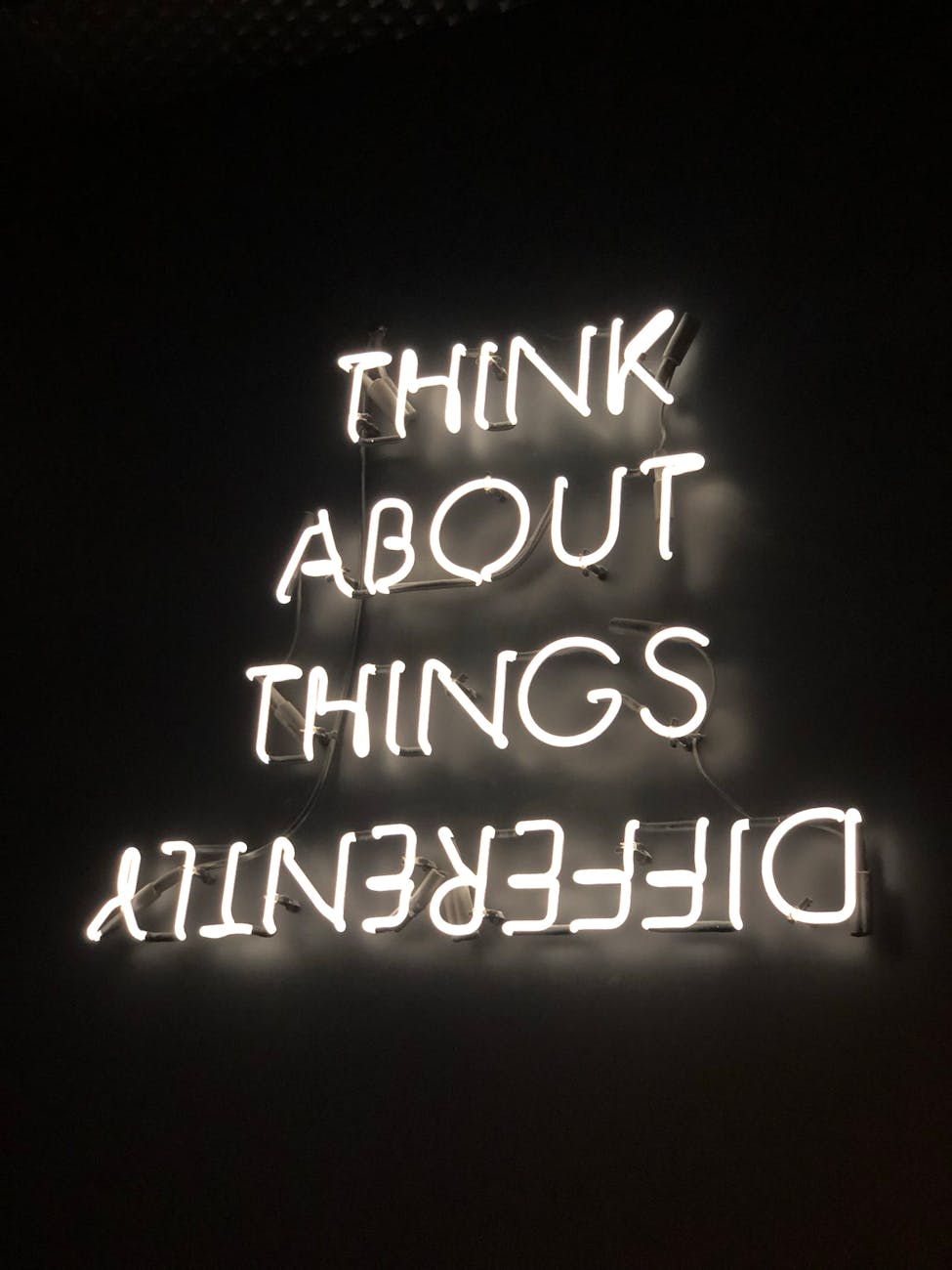
A New Way of Thinking
The next time you feel “lazy,” remind yourself: you are alive, not lazy.
You are navigating an exhausting, overstimulating world that was not designed for human wellbeing.
If you’re struggling, it’s because the system is broken. Not because you are.
Your mind does not have to be a constant battlefield. You do not have to be at war with yourself. You are enough, exactly as you are, even when you rest.
Especially when you rest.
The Only Real Problem with Laziness? You’re Not Allowing Yourself to Enjoy It.
If you still believe in laziness, then here’s the real problem: you’re not even enjoying it.
What if, instead of feeling guilty for resting, you embraced it? Instead of forcing productivity into every corner of your life, you allowed yourself to bask in the beauty of doing nothing?
Laziness isn’t the enemy. Guilt is. If you’re going to take a break, truly take it. Enjoy it. Own it. Let it fill you up, rather than haunt you. The real secret? When you fully embrace rest, you’ll find yourself naturally drawn to action—not out of obligation, but out of genuine energy and inspiration.
So go ahead. Be “lazy.” Do it properly. You deserve it.

 Domesticky
Leave a comment