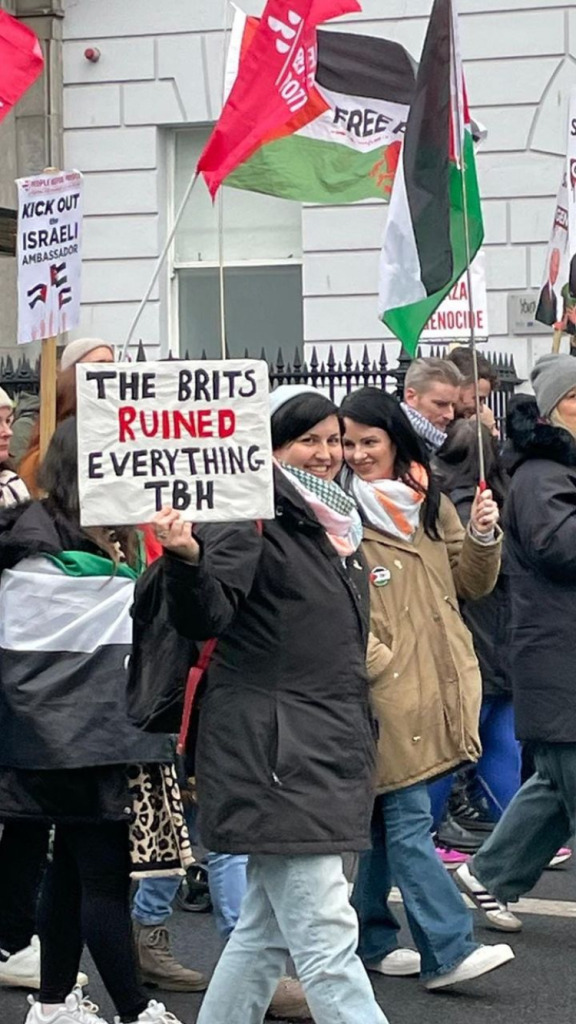
There’s a certain uneasiness that seeps into and sucks all the energy out of a room when someone brings up the Brits.
And, in particular, their empire and its messy moral legacy.
For many Irish people, the mere mention of the British Empire is enough to elicit an eye-roll, a weary sigh, or a well-aimed, well-worn historical fact that lands like we all know all of this already.
A recent article from History Reclaimed (Measuring the Elephant: The Morality of the British Empire) attempts to assess the empire’s impact, weighing its crimes against its supposed contributions.
“To attempt to judge an empire would be rather like approaching an elephant with a tape measure.”
But the real question is – why is this still up for debate? And why do so many people struggle to admit what’s as plain as the very big nose on my very fine face?
It’s time to take a closer look at the Big English Elephant in the room.
The ‘Objective’ Voices of Empire. Who’s Telling This Story?
A closer look at the author of the History Reclaimed article and the people he quotes reveals a familiar trend. Nearly all of them are British or deeply entrenched in the intellectual circles that seek to reframe the British Empire in a more flattering light.
While the article itself isn’t penned by Nigel Biggar, his voice looms large throughout, as he is quoted extensively. Biggar is a well-known British academic who has spent years trying to rehabilitate the empire’s image, often downplaying its atrocities while promoting its supposed benefits. His work has been widely criticised for whitewashing colonialism and attempting to insert “balance” into a history where the scale of harm far outweighs any perceived good.
The scholars and historical figures referenced tend to follow a predictable pattern: they are either British or sympathetic to the idea that empire was, at worst, a necessary evil and, at best, a force for progress. Their arguments mirror the same justifications that were used to maintain British rule in the first place: claims that it brought order, infrastructure, and civilisation to places that, conveniently, were already home to thriving societies before the British arrived.
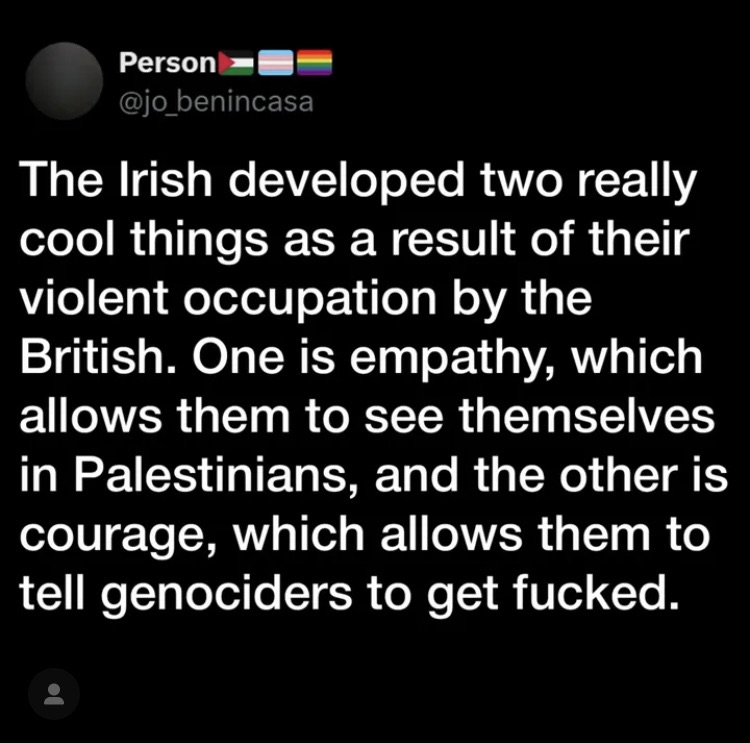
But let’s take a step back. Outside of Britain and its imperial successor, the United States, how many serious historians would buy into these arguments?
Ask historians from Ireland, India, Kenya, Nigeria, Jamaica, or Palestine if they believe in the virtues of British colonialism, and you’ll get a much different story.
One rooted in lived experience, not the selective memory of empire apologists.
It’s no surprise that those who defend empire tend to come from the places that benefited from it, not from the places that suffered under it. That alone should tell us everything we need to know about the so-called balance of this debate.
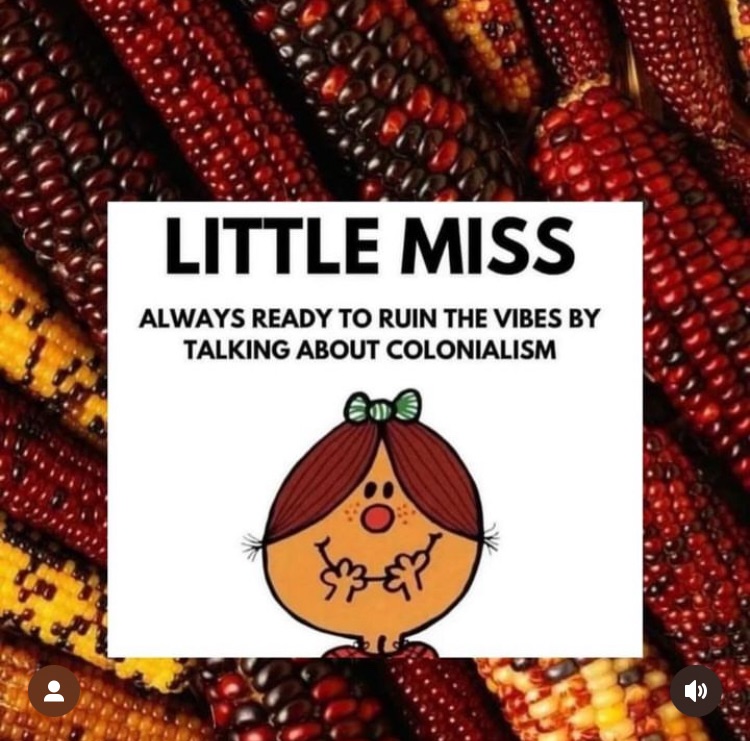
The ‘Balance Sheet’ of Empire: What’s the Real Score?
The article goes to great lengths to frame the British Empire as a moral dilemma, as though its legacy is a nuanced tale of good intentions gone slightly awry. But here’s the thing: when a system is built on exploitation, theft, and brutality, is it really fair to talk about “balance”?
Imagine if your neighbour stole your land, burned down your house, enslaved your relatives, and then, years later, pointed to a new road they built and asked, “But didn’t we also help you?” That’s the kind of logic at play here.
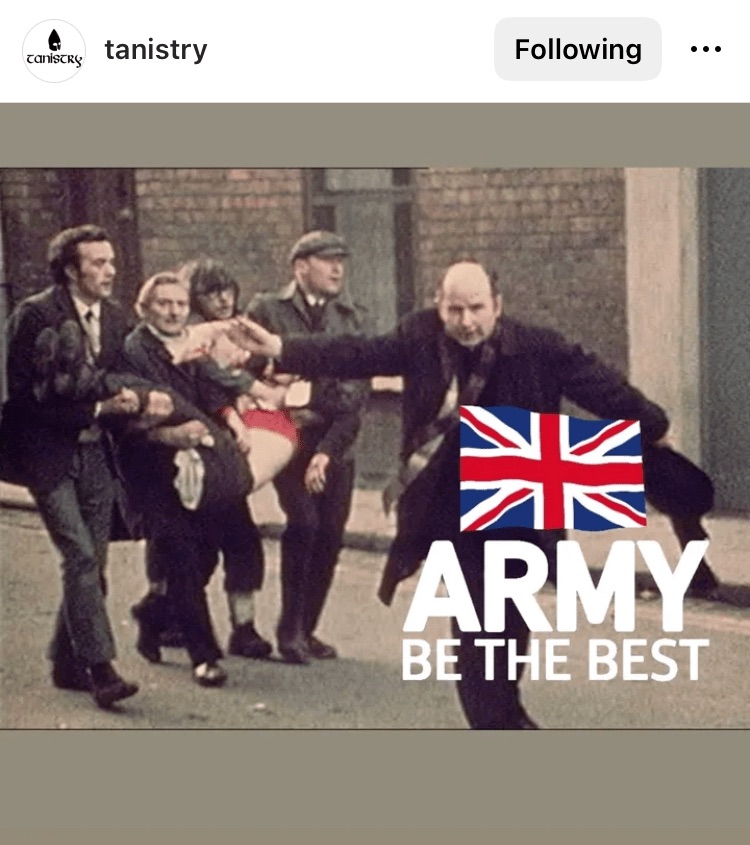
A Few ‘Little’ Issues with the British Empire:
- Slavery & Forced Labour: Millions were trafficked, brutalised, and treated as commodities. The profits from this system fuelled Britain’s rise, yet its victims were left with nothing.
- Famine & Neglect: Ireland’s own experience with the Great Famine is a case study in how British rule ignored suffering, prioritised profit, and allowed mass death while exporting food. India saw similar horrors under British mismanagement.
- Cultural Suppression: From banning languages to erasing local governance systems, the empire wasn’t just about land – it was about control, identity theft, and replacing indigenous cultures with British-imposed norms.
- Violent Repression: From the Amritsar Massacre in India to the brutal suppression of uprisings across Africa, the empire maintained power through violence, not voluntary cooperation.
So, when people start weighing these against “but railways though”—you have to wonder what kind of moral scales they’re using.
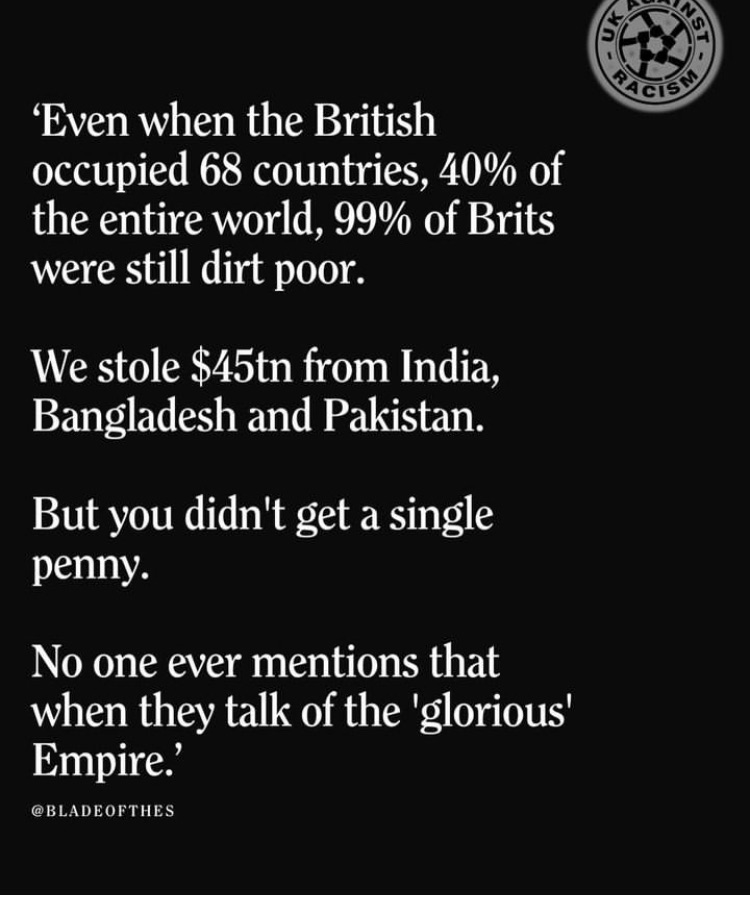
Why Does This Still Matter?
For Irish people, this debate isn’t just about dusty history books. It’s about recognising patterns that still shape global power structures. Britain’s reluctance to fully reckon with its colonial past has real-world consequences, from how it approaches modern foreign policy to how it teaches history in its schools.
And let’s be honest – there’s a reason so many British people feel uncomfortable engaging in this conversation. A full reckoning would demand accountability, reparations, and a deeper questioning of national identity. It’s easier to cling to the idea of a “flawed but ultimately beneficial” empire than to confront the sheer scale of its destruction.
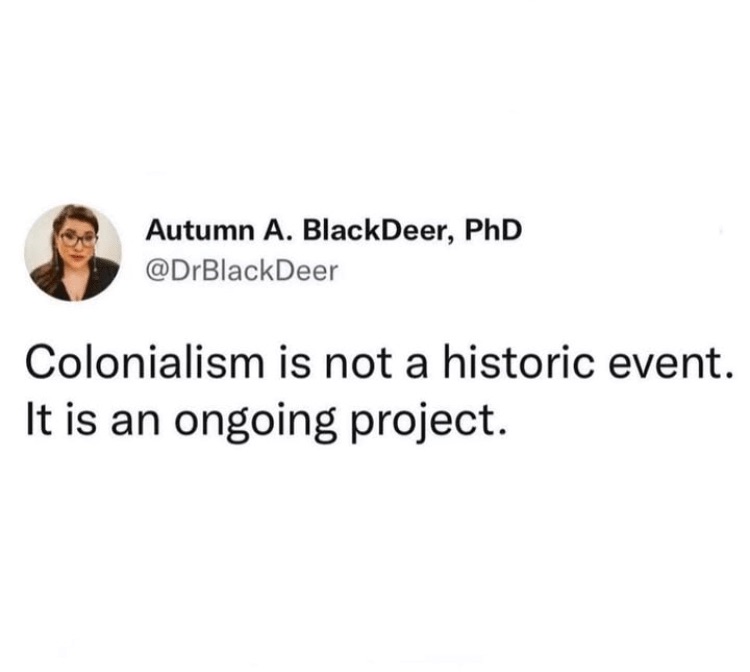
What’s the Takeaway for Open-Minded Irish People?
- Keep Calling It Out. The narrative around empire is still being shaped, and there are plenty who would prefer to rewrite history to make it more palatable. Keep challenging myths – whether it’s in conversation, online or in education.
- Recognise the Wider Patterns. Ireland wasn’t the only place where British rule had devastating consequences. Learning about the experiences of other formerly colonised nations deepens our understanding of global inequality.
- Reject False ‘Balance’. Not everything needs to be weighed in a moral ledger. Some things – like oppression – are simply wrong, regardless of whether they came with a side order of infrastructure.
- Push for Historical Honesty. If history books, media, and museums still shy away from telling the full story, we should demand better. The truth doesn’t need to be “measured” or “balanced”. It just needs to be told.
Final Thought:
There’s a reason the British Empire is often dressed up as a morally complex institution rather than what it truly was: a system of exploitation designed to serve a select few at the expense of many.
And that reason is to obscure through complication and obfuscation that the British Empire was a system of exploitation designed to serve a select few at the expense of many.
The reluctance to engage with this truth isn’t just a historical quirk; it’s a political strategy.
And for those of us who understand that history isn’t just about the past, but about how we shape the future – we can’t afford to ignore the elephant in the room.
It’s time to call it what it was. No ifs, no buts, no balance sheets. Just truth.
 Domesticky
Leave a comment