The British in Palestine: A Colonial Mess of Their Own Making
You can’t spend centuries sticking your imperial nose where it doesn’t belong, carving up the world with a blunt knife and an arrogance that defies physics, and then act shocked when the whole thing goes up in flames.
But that’s precisely what the British did in Palestine. The tale of their involvement reads like one of those tragic farces where the protagonist not only digs their own grave but also hands out shovels to everyone nearby.
The British took control of Palestine in 1917, a little colonial consolation prize from World War I, pried from the cold, dead hands of the Ottoman Empire.
By 1920, they had a League of Nations mandate, which was just a fancier way of saying, “Here, run this place for a bit and try not to make a hames of it.” Spoiler: they did.
Right out of the gate, they promised the land to multiple groups – an old British trick perfected in Ireland.
The 1917 Balfour Declaration offered support for a “national home for the Jewish people,” while simultaneously assuring the Arab population that their rights wouldn’t be trampled.
It was a bit like handing over the keys to a house while assuring the current tenants they wouldn’t be evicted. Predictably, this led to chaos.
From the 1920s to the 1940s, Palestine was a tinderbox. Arab Palestinians, rightly pissed off about increasing Jewish immigration, fought back in strikes, revolts, and outright rebellion. The British, as they had done in Ireland, India, and basically everywhere else they ever set foot, responded with brute force -mass arrests, house demolitions, public executions. They crushed the Arab Revolt of 1936-1939, killing thousands and destroying entire villages. But while they were focused on beating the Arab resistance into submission, another storm was brewing.
Jewish paramilitary groups, formed originally for self-defence against Arab attacks, started turning their attention toward the British.
The Irgun, the Lehi (also called the Stern Gang), and the Haganah all operated with varying degrees of hostility toward the mandate government. The most notorious attack came in 1946, when the Irgun bombed the King David Hotel, killing 91 people—including British military personnel, government workers, and civilians.
By the late 1940s, the British found themselves facing a dilemma: they had Arabs on one side furious about land and sovereignty, and Zionist militants on the other side blowing up government buildings and assassinating British officials. The empire, stretched thin after World War II, didn’t have the stomach for another prolonged insurgency. So, in 1947, they threw their hands up and passed the mess on to the United Nations, which promptly proposed a partition plan—one that satisfied no one fully and set the stage for the Nakba (the Palestinian catastrophe) in 1948.
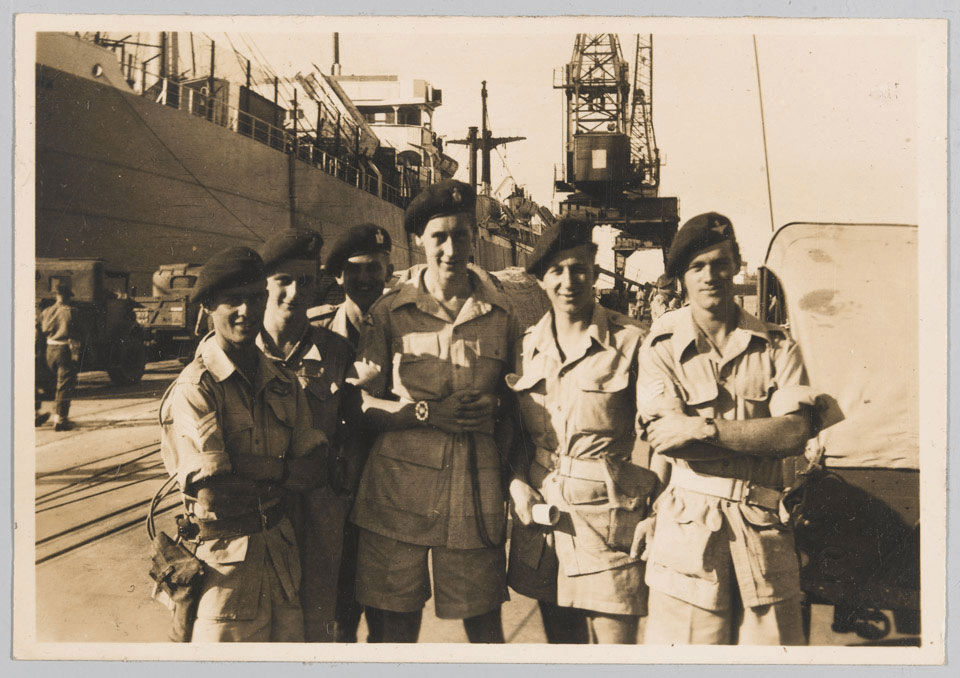
‘Two people were killed there, Private Catford and a mate of ours was Private Kenny… The vehicle was blown up they were transported in. You know, you were transported in the back… I do believe it was the Jews. Yes, I’m sure it was the Jews. Because they used to have women on the side of the roads and they used to coax the men to stop and once they’d stop they’d come out of the rocks or trees, or bushes, or orange groves.’
Here’s the bitter irony of it all: the British, who had spent centuries perfecting the art of brutal occupation, were suddenly on the receiving end of the tactics they had taught so well. The Zionist paramilitary groups used guerrilla warfare techniques that the British themselves had deployed across their empire. But instead of taking responsibility for the mess they had created, the British packed their bags and left in 1948, letting the fledgling state of Israel and the displaced Palestinian population sort it out. And we all know how well that’s gone.
This isn’t just a lesson in history. It’s a lesson in the arrogance of empire. The British saw Palestine as another colonial project, something to be managed and manoeuvred for their own benefit.
But the problem with playing God with other people’s land is that, eventually, those people will turn on you. And when that happens, don’t act surprised when the fire you started burns you too.
For us in Ireland, the parallels are hard to ignore. The British left a divided land, a fractured people, and a bloodstained history in their wake – just as they did in Ireland, India, and countless other places.
Kneecap32 on Instagram
They played the game of divide and conquer, pitting communities against each other, then left when things got too hot to handle.
And just like in Ireland, the repercussions of their meddling still echo today.
The question is—when will we finally stop letting the ghosts of empire dictate the fate of the living?



 Domesticky
Leave a comment