
How We Got Addicted to Thinking and Why It’s Time to Sober Up
You wake up. Reach for your phone. Scroll. Read something outrageous. Feel your blood pressure rise. Click a link. Another opinion. Another reaction. Another doom loop disguised as engagement. The thinking never stops, does it?
We are thunk drunk. Hammered on an endless stream of thoughts, opinions, hot takes, breaking news, and digital noise. We consume, react, regurgitate. Our minds are like high-speed data servers, overloaded but unable to shut down. And yet, for all the thinking we do, have we actually figured anything out?
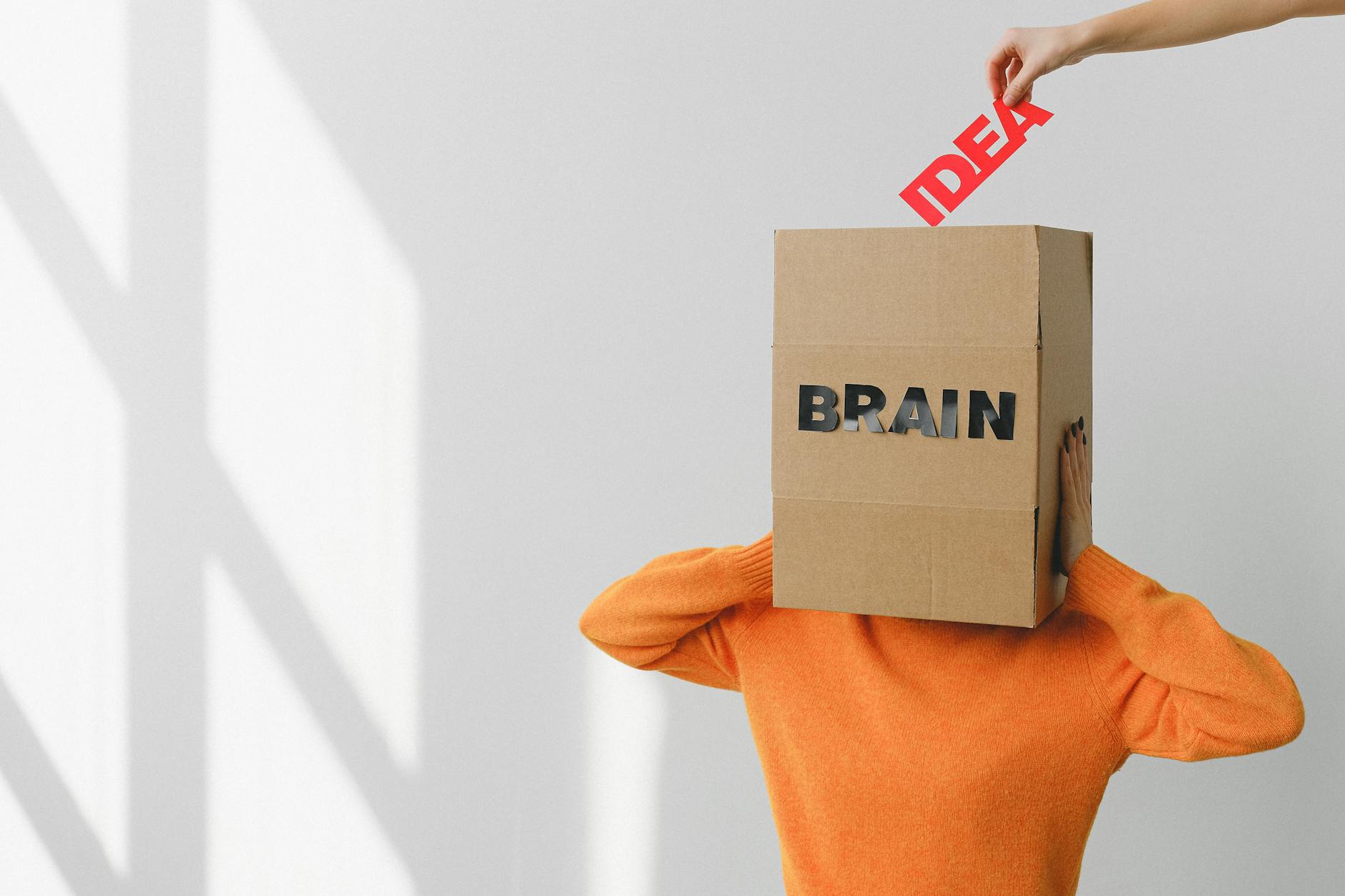
The Evolutionary Hangover
There was a time when thinking was a survival tool. We needed to remember where the dangerous animals were, how to find food, and what that weird red berry did to Uncle Seamus last winter. Thought was a means to an end.
But now? We’re drowning in it. Thinking has become the end in itself. We’re no longer using our minds as tools – we’re trapped inside them.
Eckhart Tolle calls this the addiction to thinking.
In The Power of Now, he talks about how the mind has become a tyrant, constantly pulling us into past regrets or future anxieties, keeping us from experiencing the only thing that’s real – this moment.
Byron Katie goes even further, questioning whether any of our thoughts are actually true. “Who would you be without your story?” she asks. And the answer, for most of us, is terrifying.
Because if we’re not our thoughts…then who or what are we?
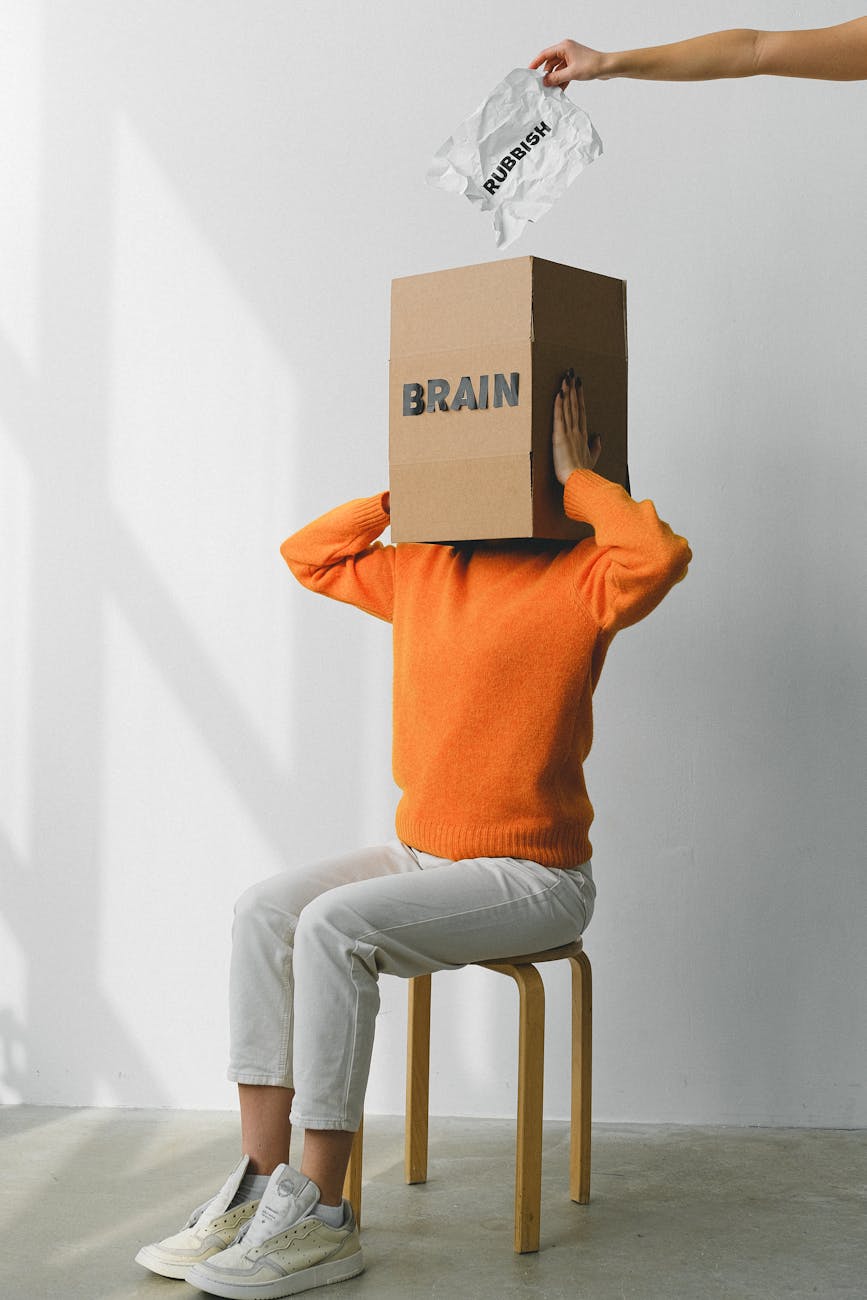
Lost in the Thought Factory
The problem isn’t just that we think too much. It’s what we think about.
Once upon a time, we only got lost in our own worries, our own communities.
Now, we are plugged into the collective mind of the planet.
That’s billions of opinions, tragedies, scandals, and distractions – flooding our heads 24/7.
There is no pause button.
Social media, news cycles, and algorithmic rage-fuel mean that our brains never get a chance to just be.
Jiddu Krishnamurti, ahead of his time, said,
“It is no measure of health to be well adjusted to a profoundly sick society.”
And yet, here we are: scrolling, stressing, reacting, consuming, trapped in a system that needs us to stay in our heads, because stillness? That’s bad for business.
A quiet mind won’t doomscroll. A present mind won’t buy the latest panic product. A content mind won’t need to prove anything to strangers online.

Thinking Is Not Knowing
Here’s the trick: Just because we think something doesn’t mean it’s real. Our minds are brilliant at making up stories, filling in gaps, crafting entire realities based on fears, biases, and half-truths.
Alan Watts, another ahead-of-the-curve thinker, warned that most of our suffering comes not from the world itself, but from our thinking about the world.
We mistake mental noise for wisdom. We confuse intellectual clutter for clarity.
But clarity? Clarity comes when we stop. When we take a breath. When we realize that we don’t need to chase every thought that appears in our heads like a dog chasing parked cars.
Sobering Up from Thought Addiction
So how do we break free? How do we sober up from the mental intoxication that keeps us lost in the fog?
- Notice the Thought Storm – The first step is just seeing it. Become aware of how your mind jumps from one thing to the next, like an over-caffeinated rabbit.
- Question Everything – Byron Katie’s The Work asks: Is this thought true? Can I absolutely know it’s true? Most of the time, the answer is no.
- Get Present – Tolle says, “You are not your thoughts. You are the awareness behind them.” Step back. Breathe. Experience this moment without letting thoughts hijack it.
- Disconnect from the Noise – Limit media consumption. Take breaks from social feeds. Step out of the constant flood of opinions and see how your mind starts to clear.
- Find the Gaps – Meditation isn’t about “stopping” thought; it’s about noticing the spaces between them. And in those gaps? That’s where the real clarity lives.
Final Thought (And Then We’ll Stop Thinking)
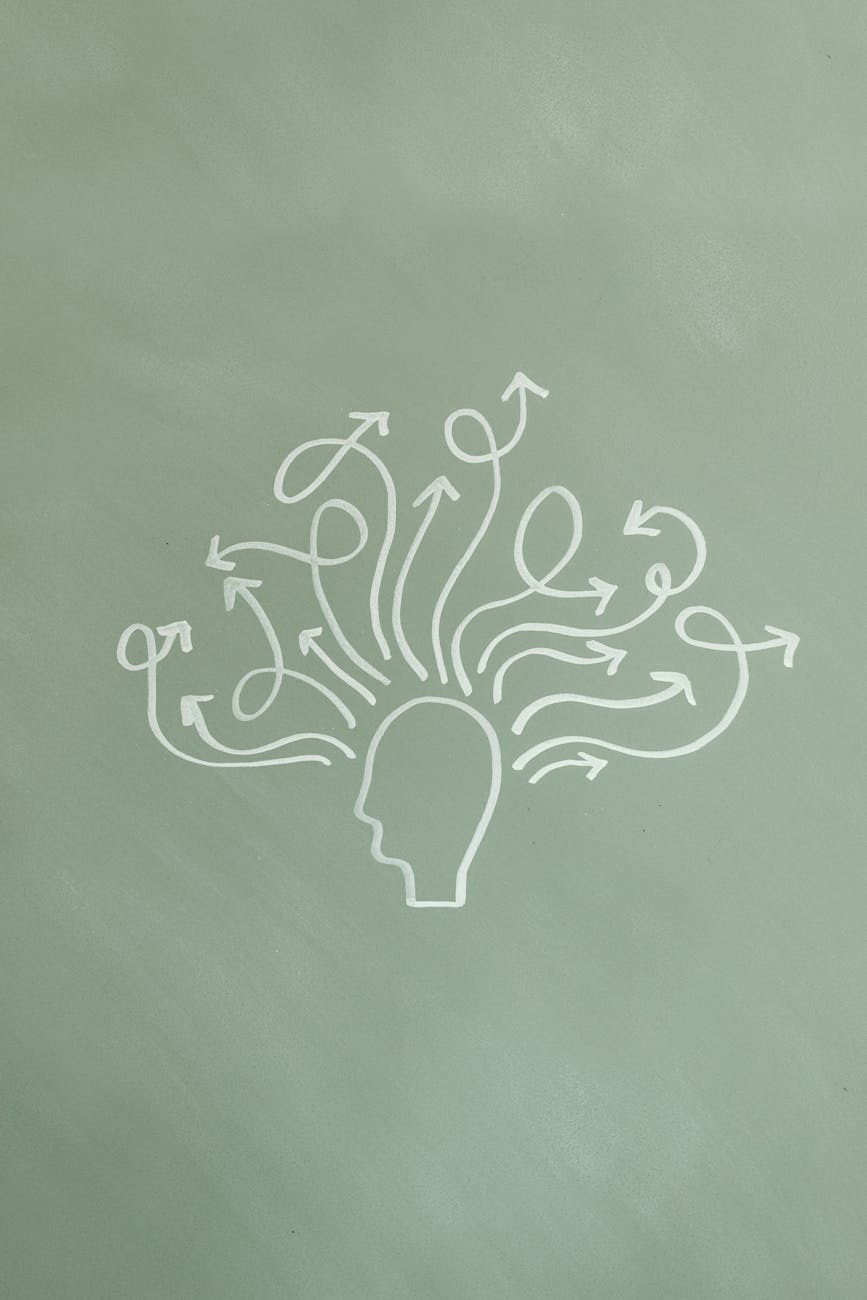
The modern world is designed to keep us thinking, reacting, consuming. But wisdom—real wisdom—doesn’t come from more thinking. It comes from less.
So next time your brain is running like a hamster on a wheel, ask yourself: Am I actually solving anything here? Or am I just thunk drunk again?
Take a breath. Step back. The world can wait.
Because right now? This moment is all there ever is.
 Domesticky
Leave a comment