The Madness of Money in Sport
Sport, they tell us, is about passion, pride, and the pursuit of excellence. A celebration of human achievement, a stage where the best rise above the rest, all in the name of the game.
But follow the money, and you’ll find that a lot of sport isn’t just about competition. It’s about capitalism in its purest, most extravagant form.
Look at three very different sporting worlds: the bloated, corrupt cash cow that is the Premier League, the Olympics – where nationalism and big business shake hands behind the podium – and our own GAA, which somehow still manages to put community before cash in a way that makes the rest of sport look like a corporate dystopia in Lycra.

The Premier League: Where Money Talks and Football Walks
Ah, the Premier League. The home of outrageous wages, oil money takeovers, and transfer fees that could single-handedly fund a small nation’s healthcare system.
Players are bought and sold like fine art, managers are disposable, and billionaire owners treat clubs like vanity projects.
Fans? They’re just revenue streams, squeezed for every last penny on ticket prices, TV subscriptions, and overpriced jerseys that change design more often than a teenager’s mood.
Corruption? Oh, there’s plenty. Financial Fair Play rules are more of a polite suggestion than an actual regulation. Investigations into dodgy dealings, questionable sponsorships, and offshore accounts are regular headlines. But who cares, right? As long as Erling Haaland keeps scoring and Sky Sports keeps the hype machine rolling, the money will keep flowing.
The Olympics: The Greatest Show Money Can Buy
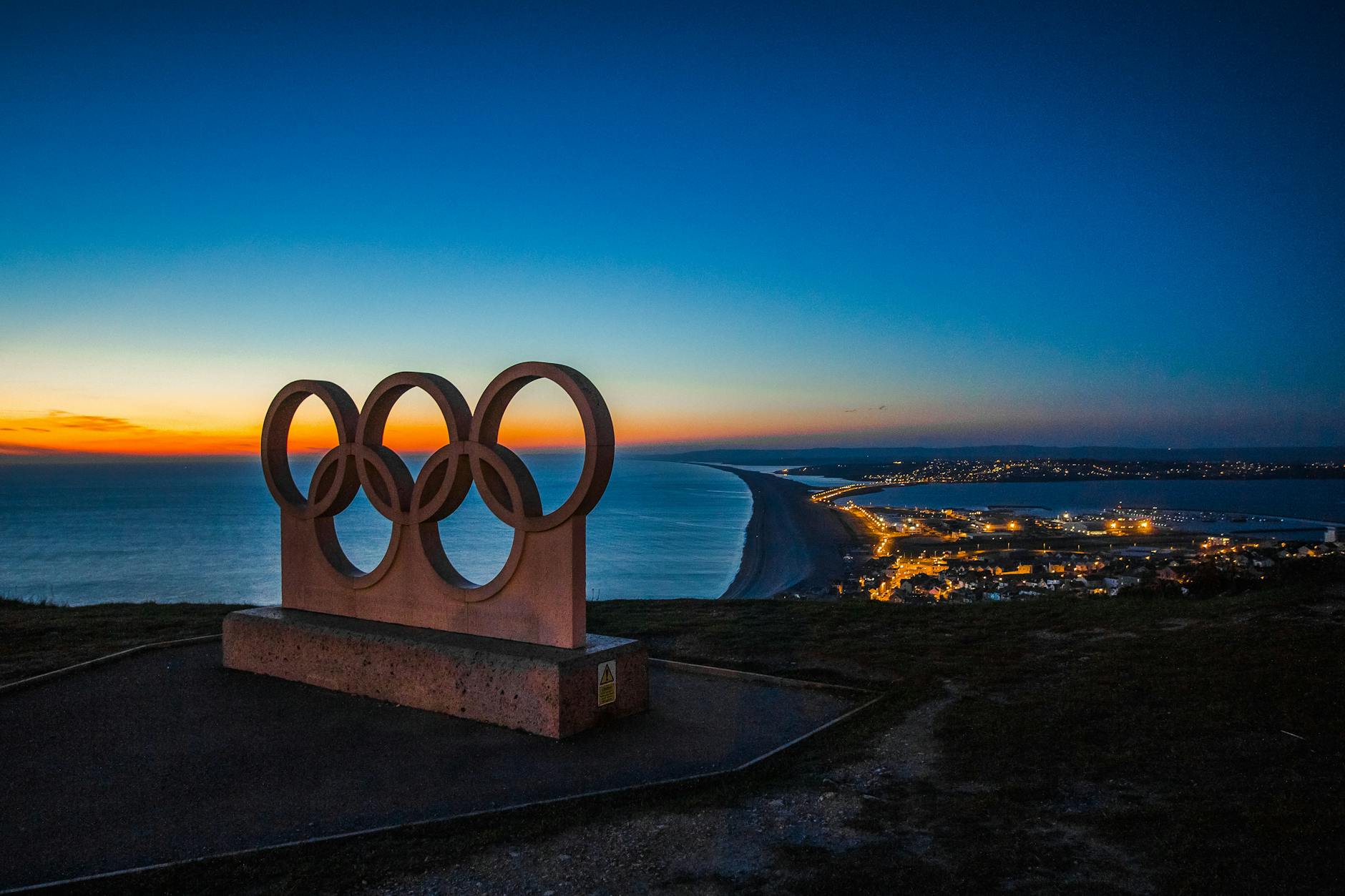
The Olympics – the last great bastion of sporting purity? Hardly. Every four years, the world gathers to marvel at the pinnacle of athletic excellence, all while billions of dollars change hands between corporate sponsors, TV networks, and the host nation’s government, which is usually left drowning in debt once the circus leaves town.
The Olympics have become less about sporting glory and more about brand exposure. Athletes train their entire lives for a shot at gold, while the real winners are Coca-Cola, Visa, and McDonald’s, whose logos are plastered over everything from stadiums to sweatbands.
Nationalism runs rampant, with governments using medal tallies as a form of soft power, proving their global dominance one synchronised dive at a time.
And let’s not forget the human cost – displaced communities, massive overspending, and infrastructure projects abandoned as soon as the final flame is extinguished. But hey, at least we get a few weeks of feel-good moments and heart-warming underdog stories.

The GAA: Amateur Hour (And Proud of It)
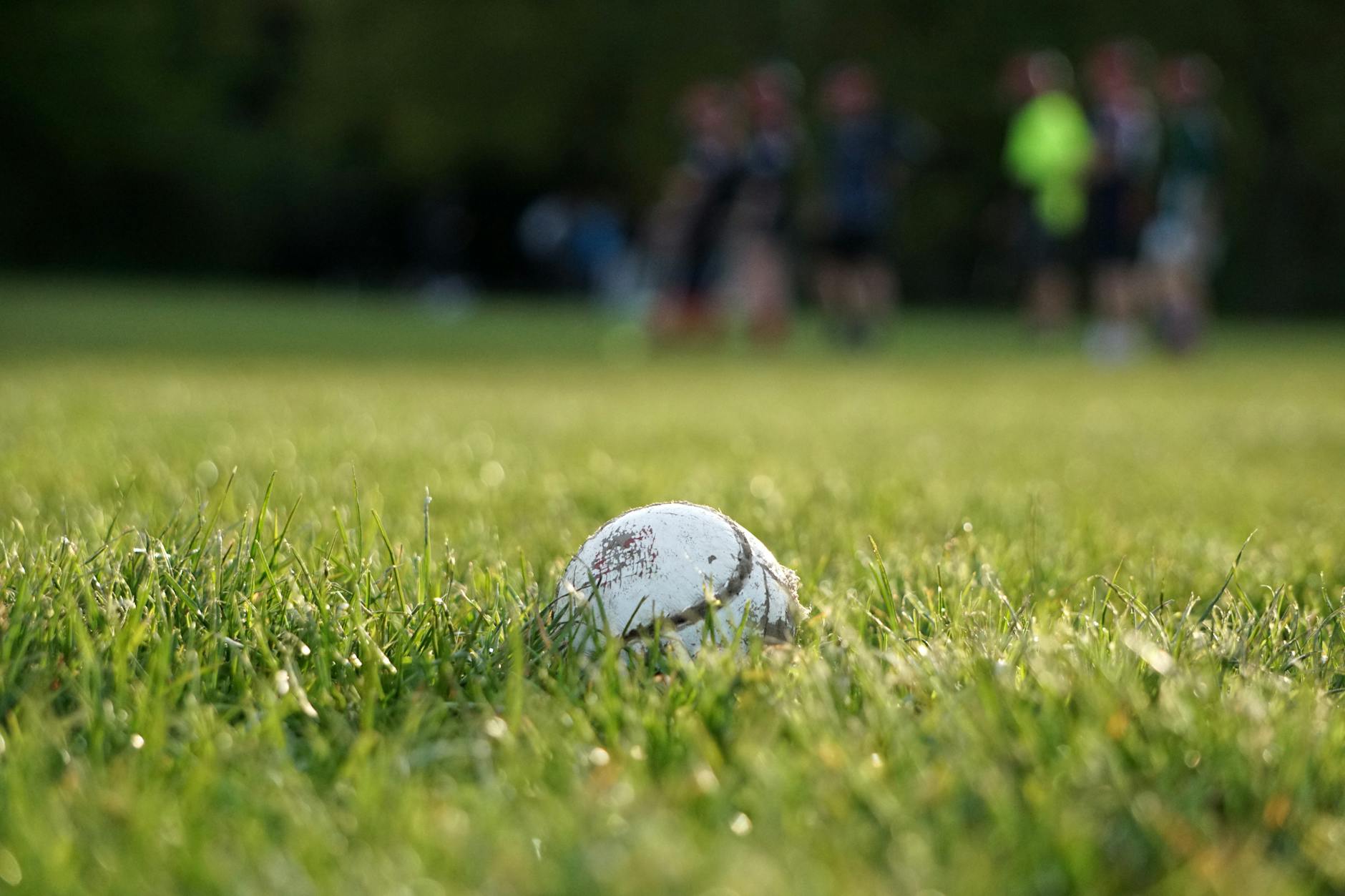
And then, we have the GAA.
The scrappy underdog, the one sporting organisation that still seems to remember what sport is supposed to be about – community, tradition, and, most importantly, not selling your soul to the highest bidder.
The GAA is amateur in name but professional in every other sense. Except the part where players get paid.
These boys and girls train like Olympians, compete like warriors, and then go back to their day jobs on Monday morning. No million-pound sponsorship deals, no flashy contracts, no oil sheikhs buying clubs like Monopoly properties. Just pure, unfiltered sport played for the love of the game (and maybe a free pair of boots if you’re lucky).
And where does the money go? Back into the community. While the Premier League builds glass palaces for billionaires and the Olympics leave behind ghost stadiums, the GAA funds walking trails, play parks, and sports facilities for future generations.
It’s a sporting model that prioritises people over profits, a rare thing in an era where money usually trumps meaning.
The Final Whistle
So, what’s the lesson here? Sport can be many things – a business, a spectacle, a political tool – but at its core, it should be about the players, the fans, and the communities that support them.
The Premier League and the Olympics may have the glitz and the glamour, but when it comes to the real spirit of sport, the GAA is playing a different game altogether – and it’s one worth cheering for.
Amateur hour? Maybe. But sometimes, amateur is exactly what the world needs.
 Domesticky
Leave a comment