
Why We’ve Made a Job of Work—and Why Most of Us Hate It
There’s an old joke that goes: The boss makes a dollar, I make a dime, that’s why I poop on company time. Funny, sure.
But also a damning indictment of what we’ve turned work into: a transactional, soul-draining exercise where the main goal is to do just enough to survive while resenting every second of it.
Once upon a time, work was something you did to create, to contribute, to build. But we’ve industrialised it, commodified it and, worst of all, made it a moral imperative.
Now, the worth of a person is directly tied to their productivity.
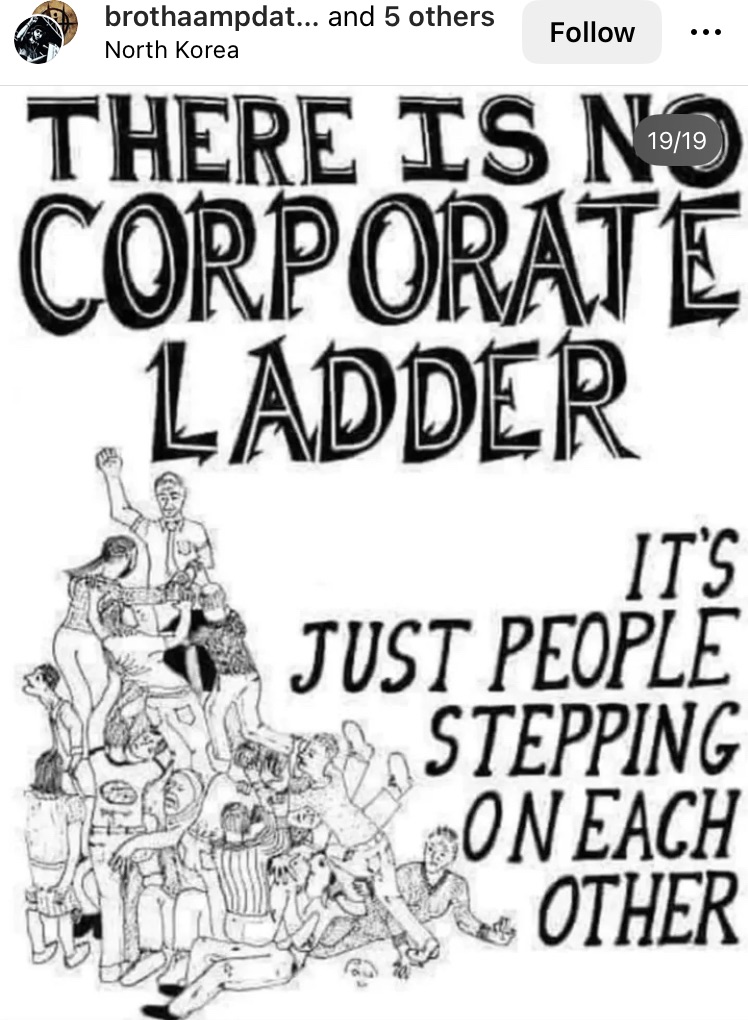
Slaving away for a meagre pay check isn’t just expected. It’s noble. And that, my friends, is the biggest scam of all.
But is it just about wages and working conditions? Is it only a matter of pay checks and perks? Or have we built a system that, by design, turns work into a relentless, joyless grind?
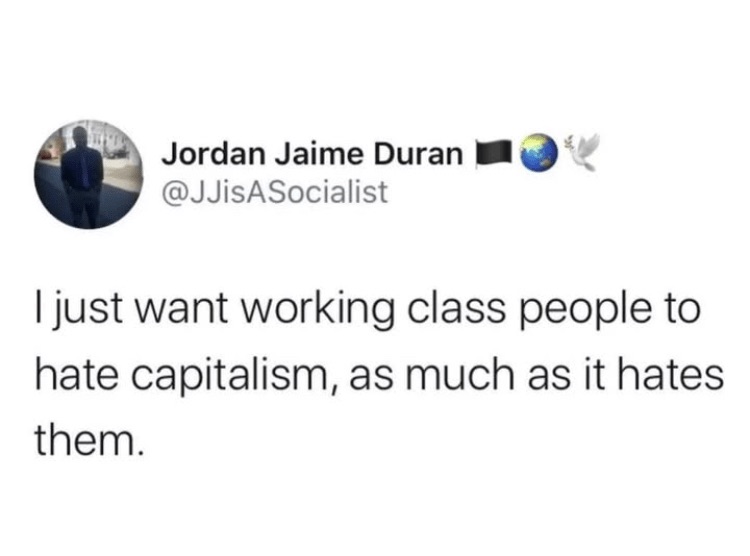
1. The Protestant Work Ethic Conned Us All
Somewhere along the way, work became more than a necessity. It became a virtue. A calling. The great capitalist machine sold us the idea that hard work is inherently good, that if we just keep our heads down and push through, we’ll be rewarded.
But here’s the thing: work used to be tied to actual survival.
You fished, you farmed, you made things that people needed. Now?
Most jobs are about maintaining systems that don’t benefit the majority of us. Filling out reports no one reads. Sending emails that don’t matter. Clocking in and out of a job where your absence wouldn’t be noticed if not for the productivity metrics some faceless executive monitors.
The dream was that work would lead to something – a house, stability, a decent retirement.
But now? People in their 30s and 40s can’t afford to buy a home. Millennials and Gen Z joke about “dying at their desks” because pensions are a fantasy. Productivity keeps rising, but wages have stagnated for decades.
What’s the reward? A pizza party when the company has a “good quarter”? A shoutout in the staff meeting? Spare me.
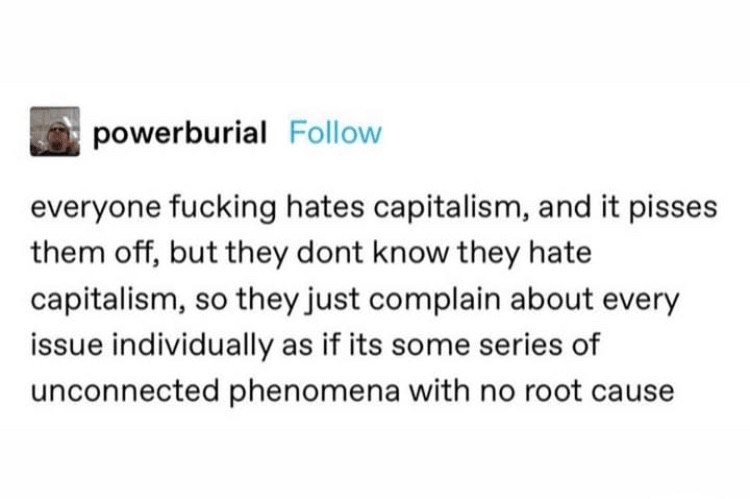
2. The Boss Literally Makes a Dollar
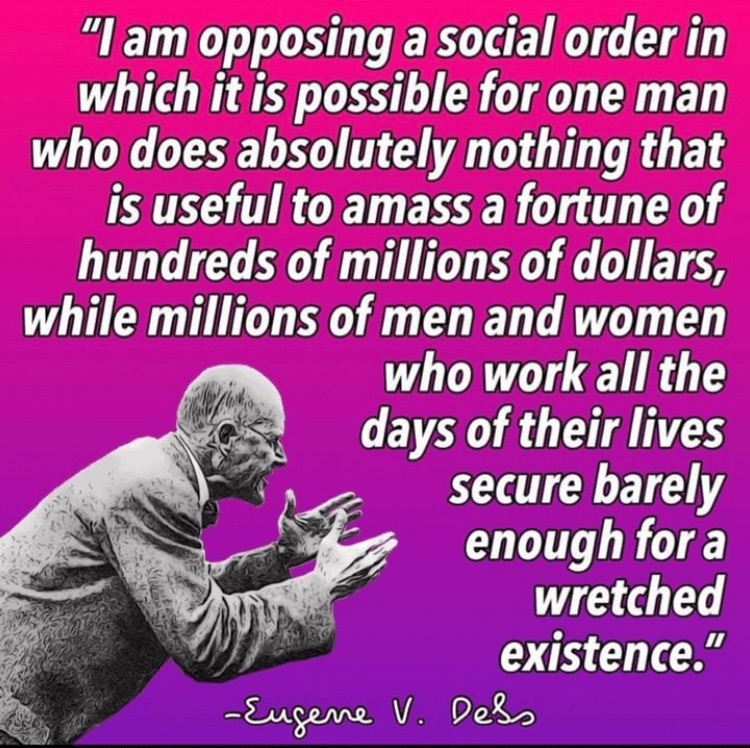
Capitalism, in its current form, doesn’t function without hierarchy. The top dogs don’t work harder; they extract value from those below them. For every CEO raking in millions, there’s a workforce making just enough to keep the lights on.
It’s not just about unfair wages. It’s about control. The working class is deliberately kept exhausted, too drained to fight back. “Quiet quitting” became a movement, not because people are lazy, but because they realised that no amount of hustle would save them from burnout.
The corporate world preaches “work-life balance” while demanding unpaid overtime. They say “we’re a family” while laying people off via email. It’s a gaslighting masterclass.

3. Automation Should Have Set Us Free. Instead, It Trapped Us
Once upon a time, the dream was that technology would reduce our working hours. The washing machine was going to liberate women from endless domestic labour. AI and automation were supposed to cut down on repetitive tasks so that people could focus on creativity, leisure and innovation.
Instead, we’ve just raised the bar for how much work needs to be done.
Productivity expectations keep rising, and anyone who doesn’t keep up is seen as disposable. Rather than reaping the benefits of progress, we’re just running faster on the hamster wheel.
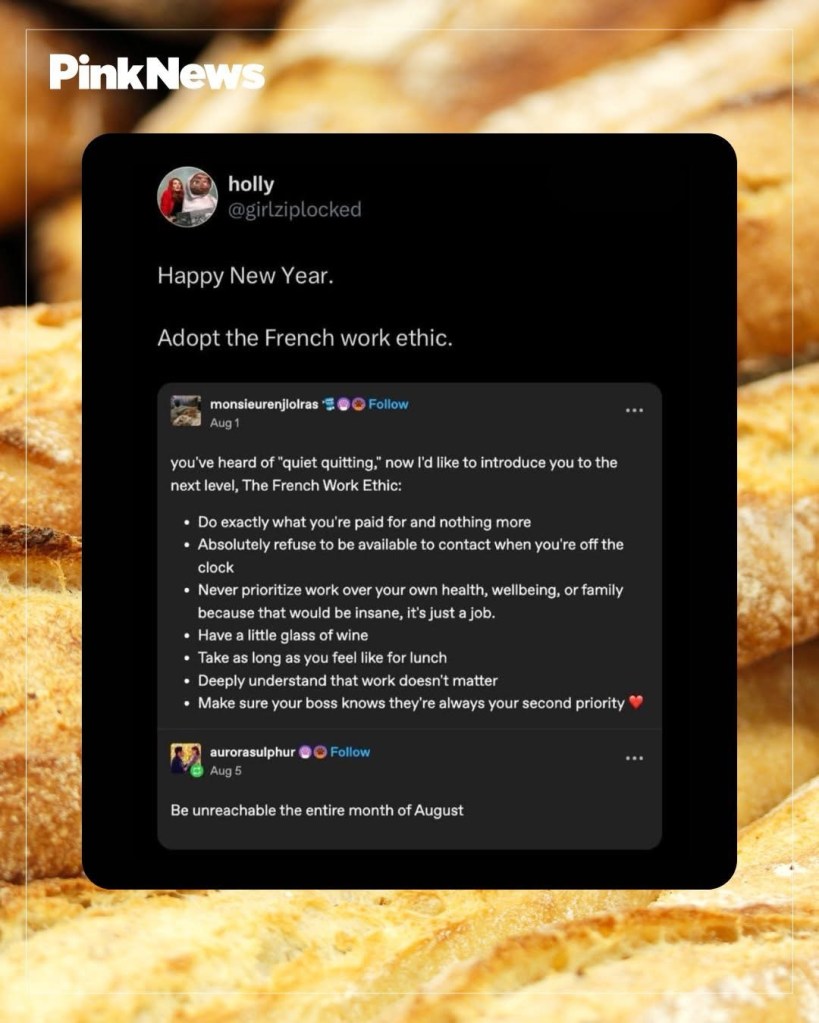
4. Work Was Never Meant to Be This Much of Our Lives
Think about it: why is a five-day workweek the default? Who decided that we’d spend most of our waking hours working, with only the scraps of time left over for family, hobbies, or rest?
Countries that have experimented with four-day workweeks have seen higher productivity, not lower. But that’s not the real issue. The real issue is that we shouldn’t be measuring our lives by productivity at all. We should be measuring it by joy. By connection. By purpose.
5. So What’s the Fix?
The problem isn’t just pay and conditions. The entire culture around work needs an overhaul. Here’s what we need:
- A cultural shift away from productivity as the ultimate virtue. We’re not meant to work ourselves to death.
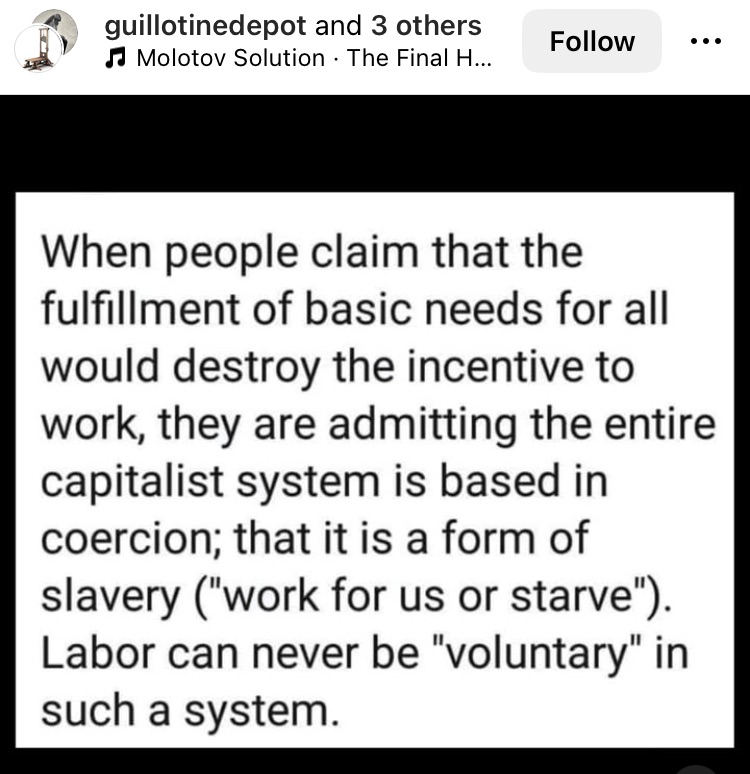
- Universal basic income. Automation is coming for jobs – let’s ensure people can survive without having to justify their existence through labour.
- Shorter workweeks. Because we don’t need to be working this much.
- More cooperative workplaces. Employees should have a say in how their labour is used and compensated.
- A mass re-evaluation of what actually matters. Hint: it’s not making rich people richer.
Work as a Means, Not an Identity
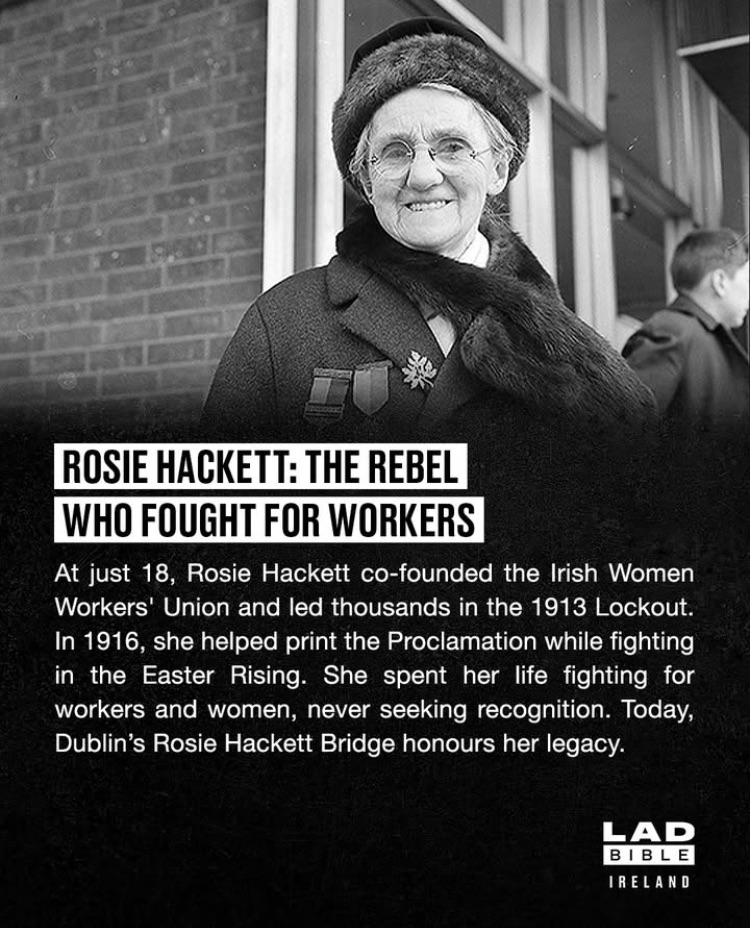
We were never meant to define ourselves by our jobs. You are not your title. You are not your pay check. You are not a cog in someone else’s wealth-building machine.
Work should support life, not replace it.
So the next time someone tells you to “find a job you love,” remind them that even a dream job is still a job.
And if we’re going to be working, let’s at least build a system where the work serves us, not the other way around.
 Domesticky
Leave a comment