
In the grand theatre of human existence, some still cling to the archaic script that dictates men must be men and women must be women, as if identity were a monochromatic play confined to rigid roles.
We do like a two state solution. It’s black and white.
But this ignorant, obstinate adherence to binary norms not only stifles the rich tapestry of human diversity but also exposes a profound stupidity and lack of empathy.
Transphobia, at its core, is a manifestation of fear and misunderstanding.
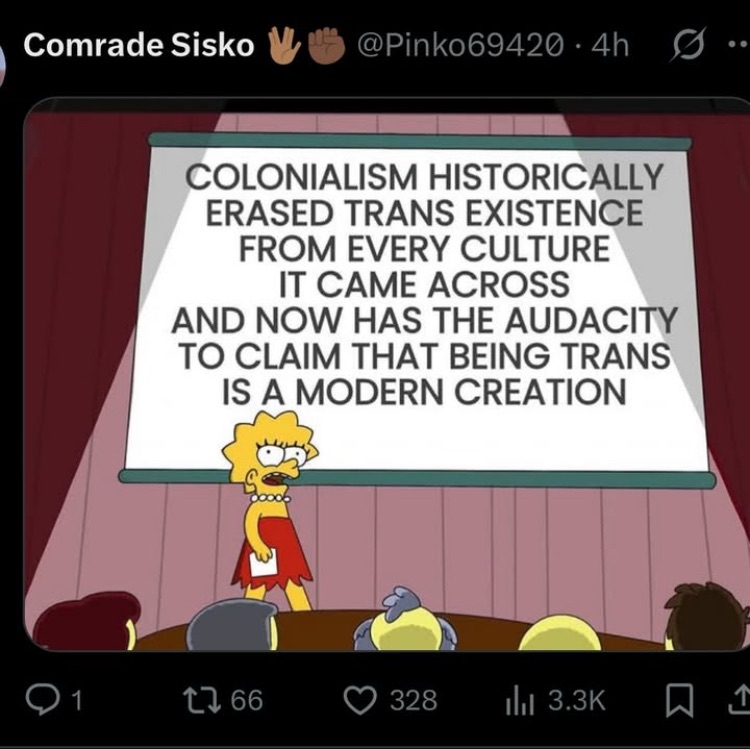
It thrives on the refusal to acknowledge that gender is not confined to the simplistic categories of blue and pink.
Such a limited perspective is not only scientifically unfounded but also socially destructive. It perpetuates discrimination and violence against those who dare to live authentically, challenging the status quo.
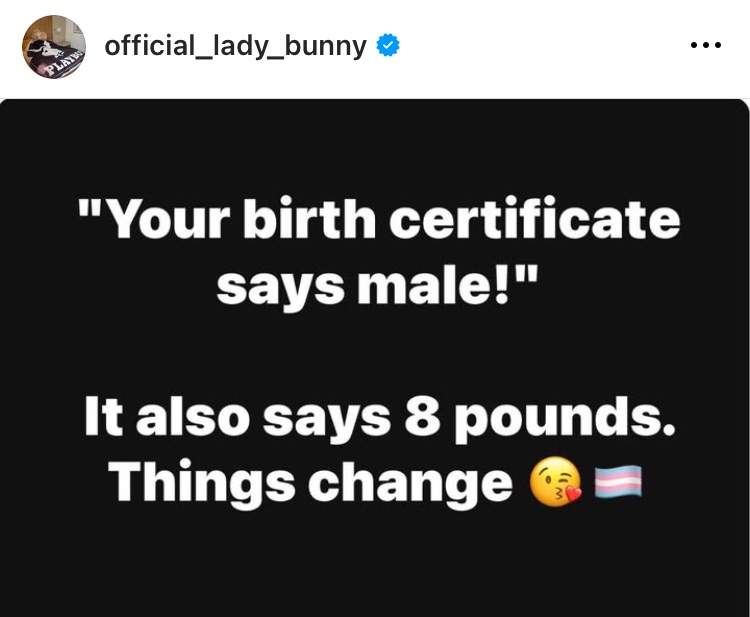
In Ireland, despite progressive strides, transphobic rhetoric remains a serious issue. The rise in such rhetoric is not merely a harmless expression of opinion; it has real and damaging consequences for the transgender community.
This surge in intolerance is often fuelled by far-right ideologies, which have been gaining traction in Ireland, importing narratives that are antithetical to the nation’s values of inclusivity and respect.
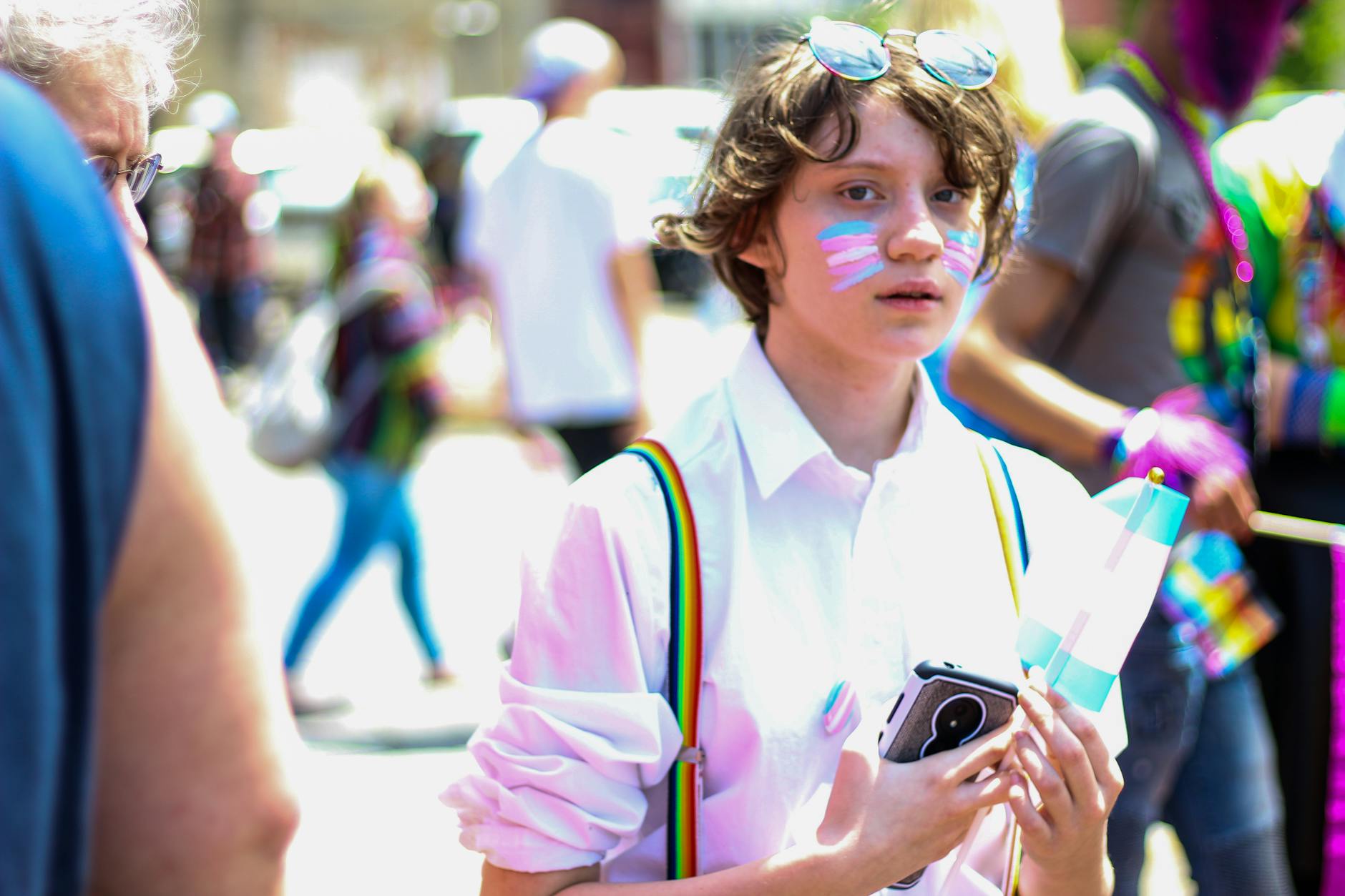
The resistance to using correct pronouns and recognising diverse gender identities often stems from a wilful ignorance. Language is a powerful tool that evolves to reflect our understanding of the world.
Refusing to adapt our language to respect others’ identities is not a defence of tradition but an endorsement of exclusion. Such obstinacy reveals a lack of basic grammatical understanding and, more critically, a deficiency in human decency.
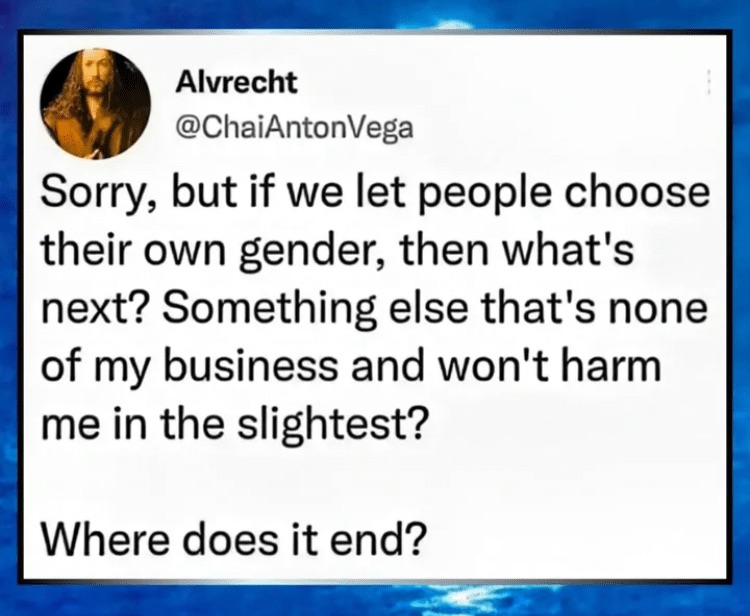
Moreover, the obsession with policing public bathrooms under the guise of protecting women and children is a thinly veiled expression of transphobia.
Trans women are women, and suggesting otherwise is a gross misrepresentation that perpetuates harmful stereotypes.
This deliberate misplacing of fear distracts from addressing the real issues of violence and harassment that transgender individuals often face in public spaces.

The statistics are alarming: globally, about 1 in 3 (30%) of women have been subjected to physical and/or sexual violence in their lifetime. In public spaces, over 70% of women in the UK have experienced sexual harassment, with only 3% of women aged 18-24 reporting no such incidents.
Similarly, transgender individuals face staggering rates of violence, being over four times more likely than cisgender people to experience violent victimisation.
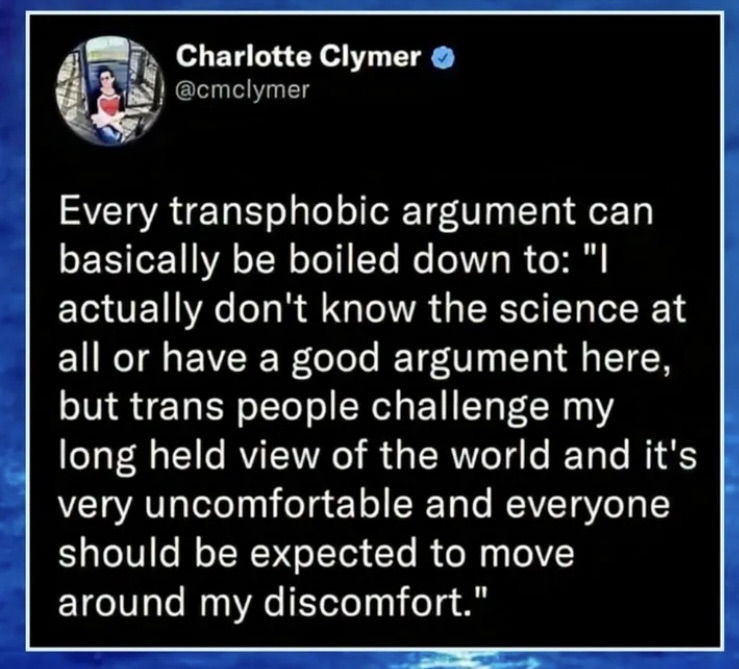
These figures underscore a critical point: the perpetrators of violence in public spaces are overwhelmingly cisgender men.
By fixating on the presence of trans women in bathrooms, society diverts attention from addressing the pervasive issue of male violence. This diversion not only fails to protect women but also unjustly targets and stigmatises transgender individuals, who are themselves at heightened risk of violence and harassment.

It’s imperative to recognise that the real threat to safety in public spaces comes from those who perpetrate violence, not from individuals seeking to live authentically. By shifting the focus to the actual sources of violence, we can work towards creating safer environments for all, free from discrimination and fear.
It’s also imperative to recognise that these so-called concerns are often fabricated distractions, designed to divert attention from more pressing societal issues. By fixating on manufactured culture wars, we overlook the systemic problems that require our collective attention and action.
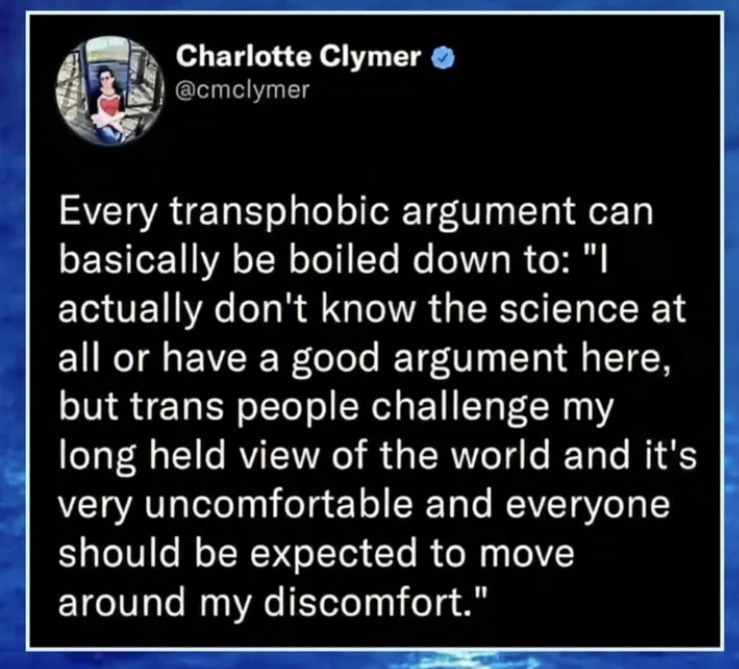
Transphobia is a scourge that reflects the darkest corners of ignorance and intolerance. It is incumbent upon us to challenge these regressive attitudes, to expand our understanding beyond binary confines, and to embrace the full spectrum of human identity with respect and empathy. Only then can we move towards a society that truly values and celebrates our diversity.

 Domesticky
Leave a comment