
Modern English is a language shaped by the logic of capitalism. It’s a tongue tuned for efficiency, built to facilitate transactions, contracts and the relentless pursuit of productivity.
Listen to its rhythms, its turns of phrase: time is money, pay attention, invest in relationships, spend your energy wisely.
Everything is framed as a commodity, a resource to be exchanged, optimised or depleted.
Even our identities are couched in ownership: I am successful, I am stressed, I am a failure. The language of capital does not allow for nuance; it demands certainty, possession, and declaration.
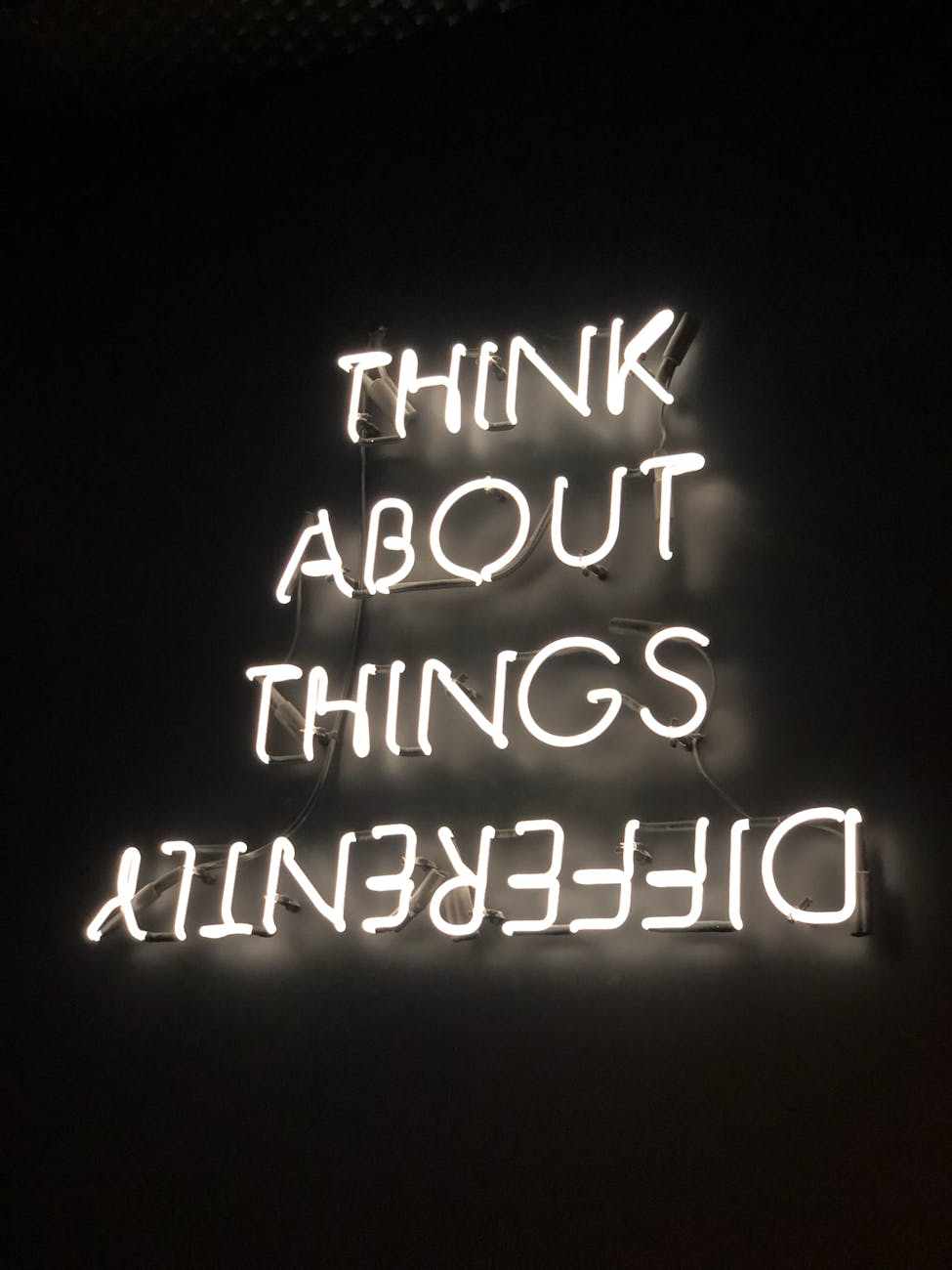
And yet, there are languages that do not bend so easily to the weight of economic thought.
Irish, for example, does not insist that you are something.
With the power of nuance, it acknowledges that something is on you.
Instead of saying “I am sad,” in Irish you would say, Tá brón orm—sadness is upon me.
Instead of declaring “I am angry,” you say Tá fearg orm—anger is on me.
The implication is profound.
In English, emotions define you. In Irish, they visit you, they rest upon you, and then, inevitably, they move on.
This linguistic structure carries an inherent wisdom, a humility that English lacks.
Where English traps us in rigid states of being – declaring what we are and what we own – Irish allows for transience, for the ebb and flow of human experience.
You are not your wealth, nor your poverty. You are not your success, nor your failure. These things happen to you, and like all things, they pass.
This is the same gentle awareness that Manchán Magan explores in Thirty-Two Words for Field, a book that unearths the lost richness of the Irish language, particularly in how it speaks of nature.
English, bound by economic and colonial imperatives, sees land as something to be owned, measured, and extracted from. But Irish, with its vast vocabulary for different landscapes, sees land as something lived with, something understood.
Fields are not just fields; they are cluain (a meadow), réidhleán (a level stretch of land), garrán (a grove), or seascann (a fallow field). Each word captures not just the shape of the land but its spirit, its function, its place in the cycle of life.
Yet this language, with its poetic nuance and deep connection to the land, was once banned by those who saw no profit in it.
The English-speaking colonial administration sought to erase it, prescribing laws that forbade its use, ensuring that the tongues of the Irish would speak only in the language of empire and trade.
But language, like land, resists.
Irish survived in whispers, in kitchens, in rebel songs, in the minds of poets and dreamers.
Michael D. Higgins speaks of this survival not as a relic of the past but as a testament to the infinite imagination of culture – how language can be both a memory and a vision of the future.
It need not be a binary choice between the past and what is to come. Just as bodies move fluidly through space, so too does language shift, resist, and reclaim its place.
In this, we see a fundamental difference between languages steeped in capitalism and those rooted in community and coexistence.
English makes us masters of our environment, owners of emotions, and agents of efficiency.

Irish reminds us that we are passing through, that nothing is truly possessed, and that even the weight of sadness can lift like mist over a bog.
Language shapes thought, and thought shapes action. If modern English has trained us to think in terms of profit, control, and possession, perhaps there is something to be gained in speaking – however briefly – in a tongue that lets things be, rather than demands that they belong.
Perhaps, in borrowing the old ways of speaking, we might find a new way of living – one that is less about ownership and more about presence, less about efficiency and more about understanding.
Because if money talks, then language sings. And wouldn’t we all rather be singing?
 Domesticky
Leave a comment