
I wrote a very strong letter. I got a facsimiled reply.
The Bureaucratic Black Hole That Eats Activism Alive
There’s a moment – brief, fleeting, but always there – when you sign your name at the bottom of a templated letter to your MP, thinking, this will do something.
That this piece of paper, or digital equivalent, filled with pleas for humanity, fairness or even just basic decency, might rattle its way through the system and actually change something. And then it doesn’t.
Instead, what you get back is either:
- A generic acknowledgment that your letter has been noted.
- A long-winded justification of why nothing will change but thank you for your passion.
- Silence, which at least saves everyone a bit of time.
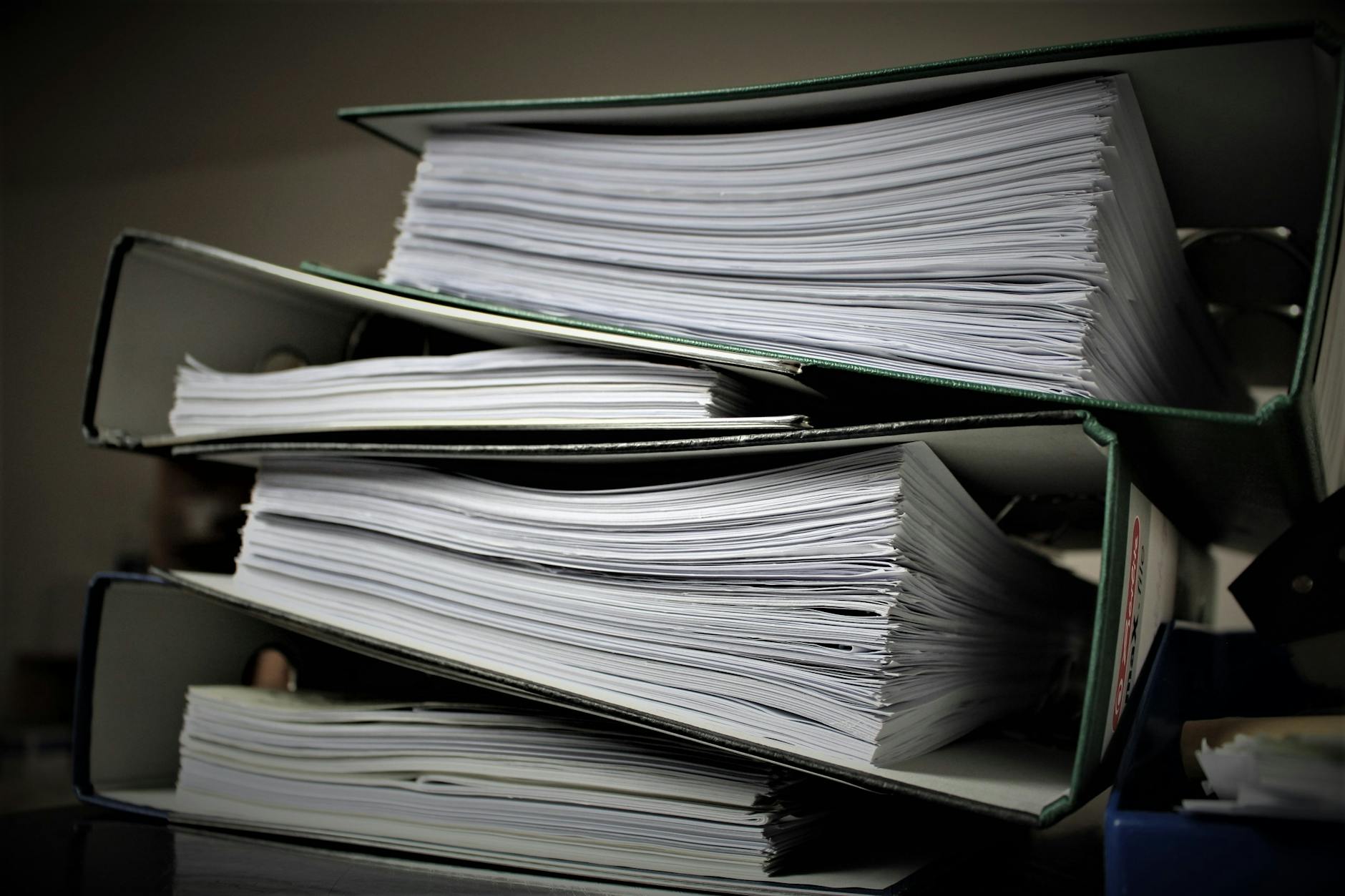
And so, the great bureaucratic ouroboros swallows its own tail, and the sea of paperwork gets a little deeper, a little heavier, a little more suffocating.

The Great Paper Chase
The cycle is almost comical in its predictability. Advocacy groups tell you to write letters. You write the letters. Politicians send back their pre-written responses, and the entire exercise becomes an elegant dance of pretending to engage in democracy. It’s a beautiful system, really – if the goal is to create the illusion of progress while ensuring nothing actually happens.
Consider some classic examples:
- Genocide: You write to your MP, urging them to call for a ceasefire, to do something about mass killings. You receive a response about “monitoring the situation closely” or “expressing deep concern” while arms deals are still being signed in the background.

- Cost of Living Crisis: You ask for interventions – real wage increases, rent controls, energy price caps. They respond with a wordy explanation of economic constraints, inflationary pressures, and how their hands are tied.
- Healthcare Collapse: You beg for more funding, more staff, more urgency. The reply lists what they’re already doing, even if it’s painfully, obviously, not enough.
- Women’s Safety: You demand action on femicide, on justice for victims. They reply about another review, another consultation, another committee being formed.
Wash, rinse, repeat.

The Bureaucratic Buffer
Here’s the magic trick: paperwork is the great absorber of urgency. By keeping people busy filling out forms, lodging complaints, sending emails, and waiting for responses, real change gets stalled indefinitely.
It’s administration as a weapon – a way to make you feel involved while ensuring the status quo remains unshaken.
Governments love a good petition. They love consultation papers. They love feedback forms and inquiries and reviews. What they don’t love is action.

The Weight of Words That Go Nowhere
All of this would be fine if it weren’t so dangerously effective at deflating momentum. Every unanswered letter, every dismissive response, every empty promise is a siphon on energy. People burn out. They stop writing. They stop believing their voice matters.
And that, my friends, is the real victory of bureaucracy.
It doesn’t need to win. It just needs to wait.
Swimming Through the Paper Sea
So, what do we do? If writing letters, signing petitions, and appealing to conscience doesn’t work, then what?
We stop playing their game.
- Stop asking for permission. Organise in ways that make action unavoidable.
- Cut out the middlemen. Direct action, local community solutions, and grassroots pressure work.
- Name and shame. Public accountability, exposure, and collective rage are far more effective than another templated plea.
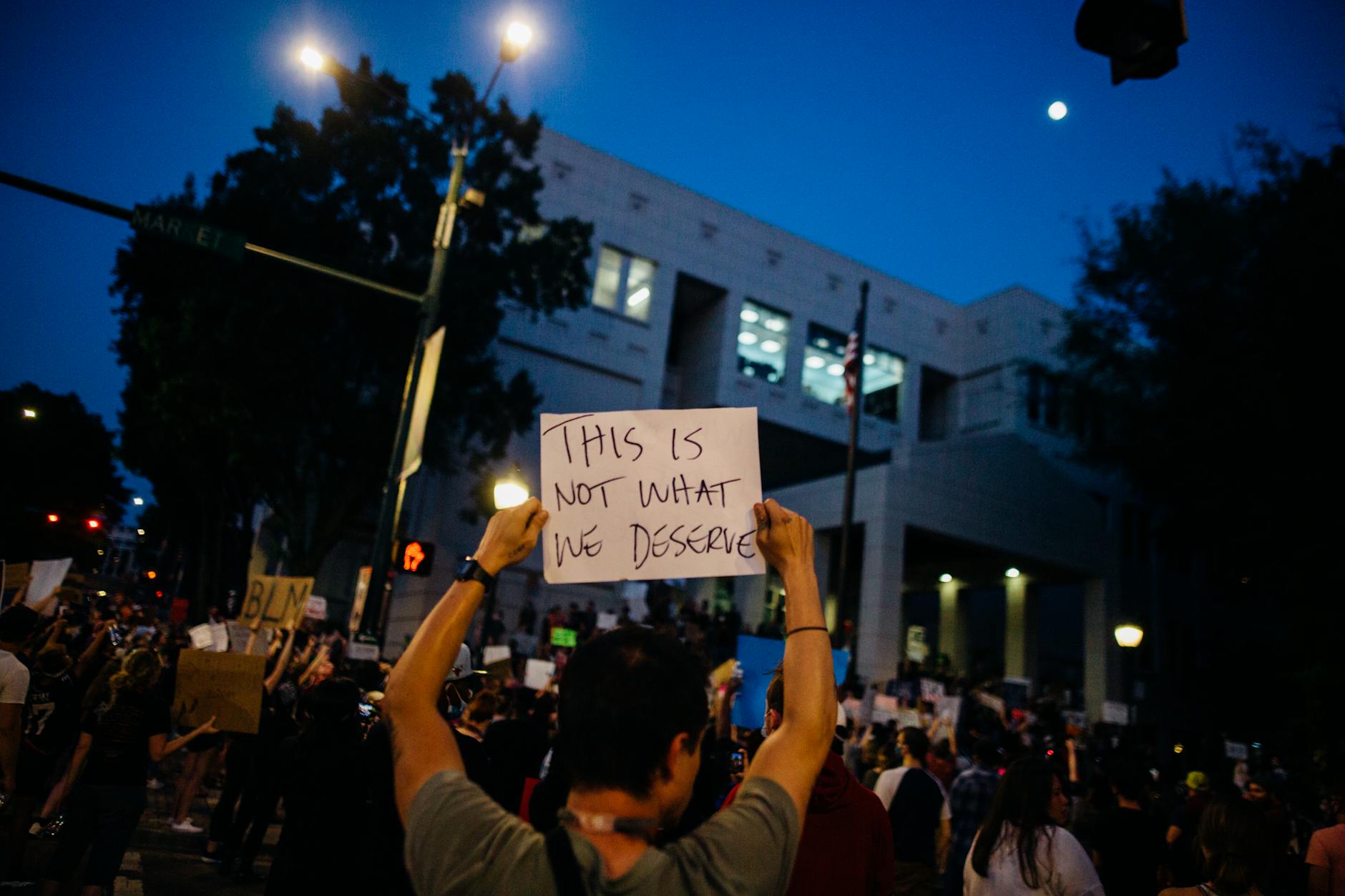
And most of all, never mistake paper for power. If writing a letter makes you feel better, do it. But don’t mistake the act of sending it for the act of change. One just adds to the paper sea. The other? That’s up to us to forge, outside of the weight of bureaucracy.
 Domesticky
Leave a comment