
Once upon a time, a government was meant to govern. To look after its people, to ensure society functioned with a degree of fairness, to balance the books without breaking the backs of those who actually keep the country running. That was the fairy tale, anyway.
Reality? The British government couldn’t run a bath, let alone a country. But let’s be honest. This isn’t incompetence.
It’s not that they can’t take care of people; it’s that they won’t.
Because taking care of people isn’t profitable.
And this game isn’t about governance anymore – it’s about hoarding wealth, consolidating power, and running the country like a hostile takeover where the only shareholders who matter are already rich beyond imagination.
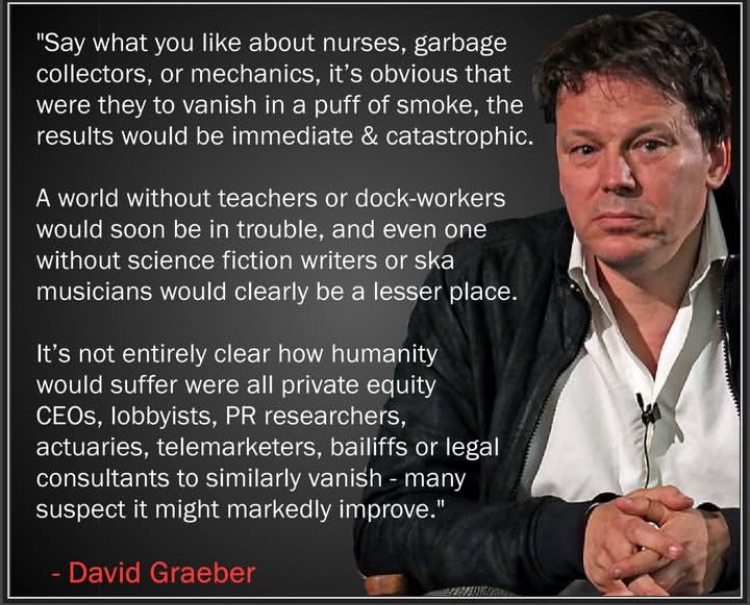
The People Holding the Line
And so, the job of keeping the show on the road falls not to those in Westminster, but to those on the frontlines.
The teachers, the nurses, the doctors, the carers, the bus drivers, the retail workers – the ones who have been wrung dry by a system that demands everything from them while offering very little in return.
They are the glue holding together a crumbling structure, the ones propping up a broken system so effectively that the cracks remain just out of sight.
But what happens when the people holding the line are too broken to keep holding it?
The whole thing comes down like a house of cards.

Exhaustion as Policy
It’s not an accident that teachers are burning out at record levels. That nurses are leaving the NHS in droves. That public transport workers are striking just to earn enough to live on.
That care workers, the people responsible for our most vulnerable, are so underpaid they qualify for the very benefits their clients depend on.
This isn’t a bug in the system; it’s the design.
When you push workers to breaking point, you don’t just save on salaries and pensions. You keep them too exhausted to fight back. Too drained to organise. Too busy trying to survive to notice the wealth transfer happening in broad daylight. Because while you’re working yourself into the ground, the billionaires are making more in a single hour than you’ll see in your lifetime.

The Art of Making People Feel Lucky to Have Less
And yet, somehow, through the sheer force of propaganda, the government has convinced people to be grateful for scraps.
A teacher working 60-hour weeks with crumbling infrastructure and no resources? “You’re in it for the love, not the money.”
A nurse dealing with unsafe staffing levels and impossible conditions? “You’re a hero!” (And don’t forget to clap on Thursdays!)
A single mother working two jobs and still barely keeping the lights on? “Well, at least you’re not on benefits.”
This is the con: make people believe suffering is noble, that expecting better is greedy, that wanting a living wage is asking for too much.
And all the while, the real thieves—MPs giving themselves raises, corporations dodging taxes, landlords bleeding the working class dry—are laughing all the way to the bank.
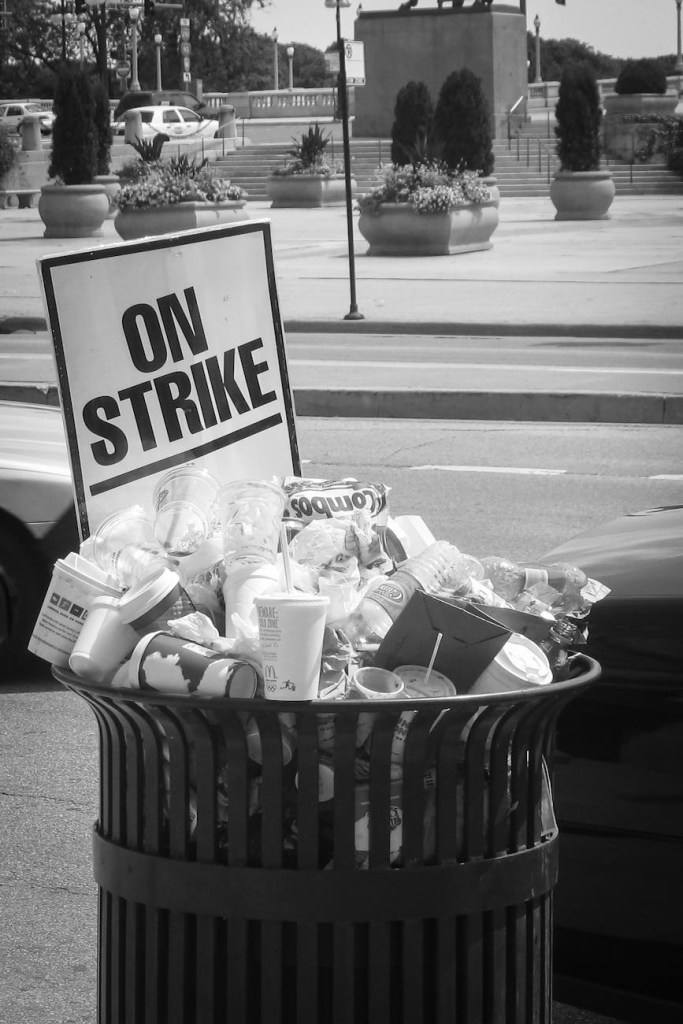
What Happens When We Stop Holding It Up?
So here’s the real question: what happens when we stop holding the line?
When the nurses refuse to patch up a broken NHS for free.
When the teachers stop shouldering the failures of a deliberately underfunded education system.
When the bus drivers, the shop workers, the care workers—when all the people who actually make society function—say, “Enough”?
The government would be exposed for what it is: a parasite feeding off the labour of people it actively despises.
And that’s exactly why they’re so desperate to break us first.
On another subject entirely, have you ever heard of the CIA’s 1944 Simple Sabotage Field Manual?

Originally created to teach resistance movements how to subtly undermine enemy operations, it’s a guide to causing dysfunction, inefficiency, and delay in workplaces.
All the things you shouldn’t do:

Teachers: The Silent Rebellion in the Classroom
You’ve got enough on your plate. Do not do anything like any of this:
🔹 Stop working unpaid hours – Your contract says 9-3? Work 9-3. Stop spending your evenings and weekends planning lessons, answering emails, or marking papers. Let the system feel the true weight of its neglect.
🔹 Teach resistance, not just curriculum – Slip media literacy, critical thinking, and historical parallels into your lessons. Teach students how to question authority, recognize propaganda, and demand better.
🔹 Encourage parents to kick up a stink – Schools run on parental expectations. If a system is failing, parents can (and will) make noise. Tell them exactly how understaffing and underfunding impact their kids.
🔹 Stick to the letter of ridiculous policies – Forced to do endless paperwork? Fill it out to the extreme—cross every ‘t’, dot every ‘i’, and bog the system down with its own nonsense. When policies are absurd, make them really absurd.

Nurses & Healthcare Workers: The Resistance on the Wards
You’re already fit to be tied. And you’re too caring to walk away. It wouldn’t make a blind bit of difference if you did any of this:
🔹 Don’t work through breaks – Tired, overworked nurses make mistakes. Take your legally mandated rest. Patients who have to wait longer may be inconvenienced, but also they might start to wonder what is wrong with this picture??? That the system is failing because it relies on you to sacrifice yourself.
🔹 Document everything – Unsafe staffing levels? A lack of equipment? Rota gaps that put lives at risk? Write it down. When something inevitably goes wrong, make sure the blame goes upwards, not onto frontline workers.
🔹 Educate patients on their rights – Most people don’t know they can demand better. Tell them what services should be available, how to file complaints, and where to find advocacy groups. A system can’t ignore patients en masse.
🔹 Slow it down strategically – Overwhelmed? Do the most important things well, but let the red tape pile up. If management forces unsafe conditions, let them feel the pressure of their own failures.

Bus & Train Drivers: Logistical Guerrilla Warfare
This is a safety as much as an efficiency issue. None of this will help:
🔹 Follow every regulation to the letter – If management is cutting corners on safety, don’t. Drive at exactly the legal speed, follow every traffic rule, do every mandated safety check slowly and methodically. Delays? Not your problem.
🔹 Communicate with passengers – If buses and trains are overcrowded or running late due to mismanagement, tell people why. Explain exactly how underfunding is causing delays. Get them on your side.
🔹 Don’t do unpaid overtime – If your shift ends at 6, you clock out at 6. No extra runs, no covering gaps management won’t staff properly. If services grind to a halt? Maybe they should hire more workers.

Retail & Service Workers: The Revolt at the Till
Retail workers are the shock absorbers of the economy, getting public frustration and corporate exploitation in the neck. How could you even begin to push back?? Why would you want to???
🔹 Stick rigidly to policy – If management enforces ridiculous rules, apply them so literally it slows everything down. Return policies, ID checks, bagging procedures—follow them all to the extreme.
🔹 Talk to customers – When prices rise and wages don’t, let customers know why. “Yes, this item costs 20% more now. No, we didn’t get a pay rise.” Retail workers are the frontline communicators of economic reality.
🔹 Stop doing unpaid emotional labour – You don’t have to smile through abuse. You don’t have to pretend things are fine. If management wants morale up, they can pay for it.

Office Workers: Bureaucratic Subversion
You’re already drowning in paperwork.
🔹 Drown them in their own admin – If they want five reports? Give them ten. If they demand updates? Send hourly emails. Force management to deal with the bureaucracy they inflict on you.
🔹 Take every break, every entitlement – Don’t skip your lunch. Don’t check emails out of hours. Don’t work beyond what you’re paid for. Watch how quickly things grind to a halt when exploitation stops being voluntary.
🔹 Organise, even in small ways – Whisper networks. Worker solidarity. Quiet refusals to do extra unpaid work. Tiny acts of defiance add up.
The Big Picture: Collective Action Wins
No one can fight this alone. But small, strategic acts of defiance—when multiplied across industries—can force change. The government and corporations rely on one thing: that workers are too tired, too isolated, or too scared to resist.
They win when we burn out.
They win when we accept suffering as normal.
They win when we think we have no choice.
But we do have a choice. To stop feeding the system. To expose its failures. To remind them that society doesn’t run on billionaires—it runs on us.
So the question is: What happens when we stop carrying the weight?
 Domesticky
Leave a comment