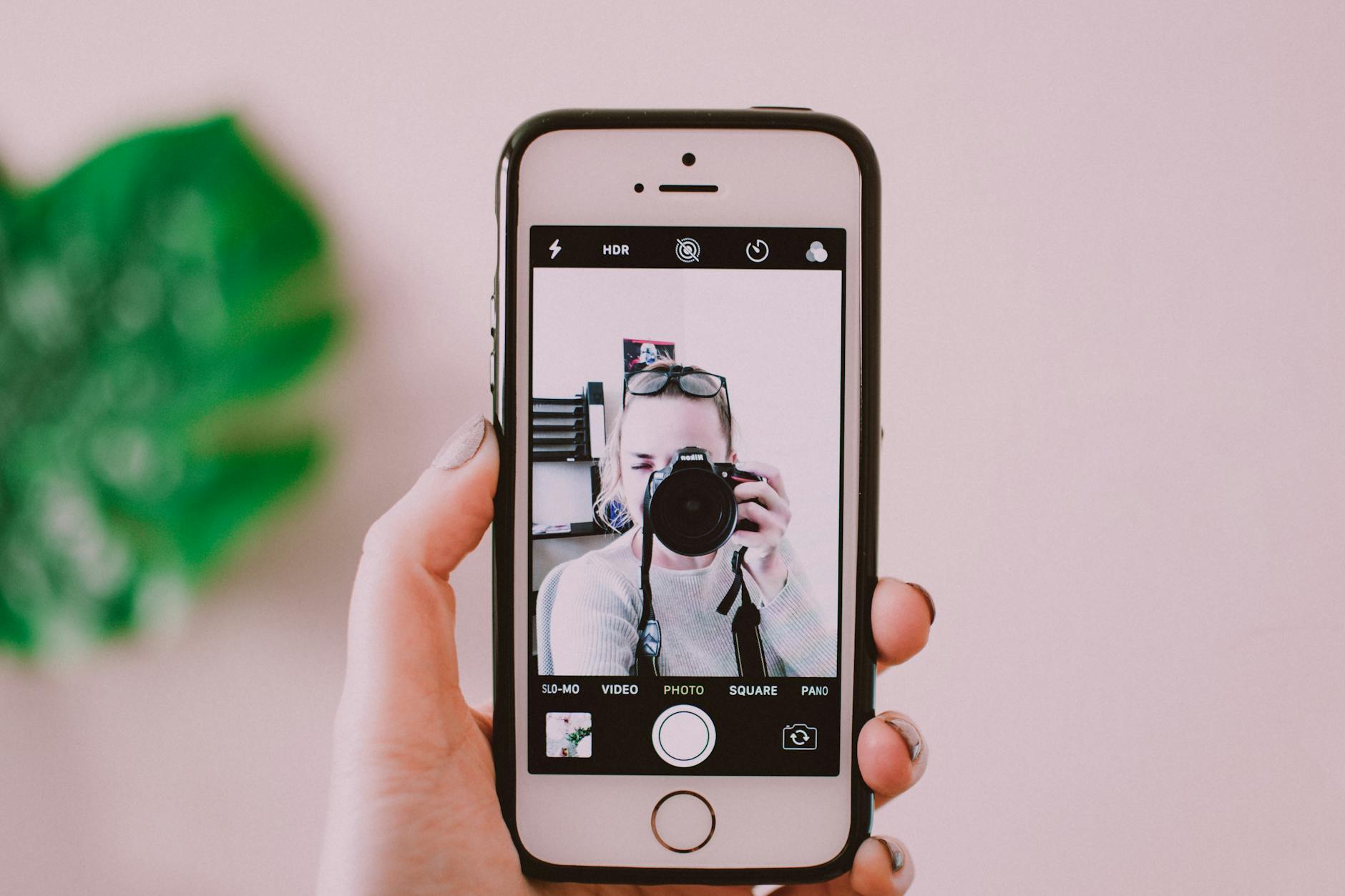
We’ve been kicking about on this rock for roughly 300,000 years as Homo sapiens, but only in the last sliver of that timeline have we become obsessed with our own reflections.
For most of human history, the only way to see yourself was in a still pond, a polished piece of metal, or through the descriptions of others. Then came mirrors, cameras and now – selfies: an endless hall of mirrors reflecting back carefully curated versions of ourselves.
So what does it do to the psyche when we move from rarely glimpsing ourselves to carrying a pocket-sized, high-definition, AI-enhanced mirror at all times? The effect is profound.
1. Self-Perception Overload
We’ve become hyper-aware of our own image. Our ancestors had to imagine what they looked like – our medieval counterparts may have gone a lifetime with only a few encounters with their own reflection.
Now, we scrutinise our pores in 4K. This leads to:
- Increased self-objectification: We start seeing ourselves as others see us, rather than how we feel internally.
- Higher body dysmorphia rates: When you compare yourself to filtered perfection daily, you start believing you should look like that all the time.

2. A Crisis of Authenticity
A selfie is not just a photo; it’s a statement.
“This is me, this is how I want to be seen.”
But what happens when that curated self becomes more real than the person behind it? The digital self is often more confident, more aesthetically pleasing, and more controlled than the flesh-and-blood version.
The problem? We start living for the avatar instead of the actual experience.
3. The Performative Existence
The line between documentation and performance is blurring. We used to live our lives, occasionally capturing moments for posterity. Now, many experiences are constructed for the camera. If a tree falls in the forest and nobody takes a selfie, did it really happen?
- Social media as the new reality: We are no longer just living. We are curating a highlight reel.
- The dopamine loop: Likes, comments, and shares give us tiny dopamine hits, reinforcing the behaviour of putting our digital selves out there for validation.
4. Self-Worship Meets Self-Loathing
Never before have humans been both so obsessed with themselves and so utterly insecure. We worship our own reflections while simultaneously comparing them to unrealistic standards. This breeds:
- A new kind of narcissism: Not the traditional grandiose narcissism, but a self-focused anxiety. A preoccupation with how we appear rather than how we are.
- Perpetual dissatisfaction: No one will ever be as flawless as their best-filtered selfie, leading to a chase that never ends.
5. Digital Immortality & The Fear of Being Forgotten
Selfies, vlogs, endless photo dumps – on some level, it’s all about leaving a mark.
In a world where content disappears in 24 hours and trends change in minutes, the modern human clings to digital proof that they existed, they mattered, they were seen.
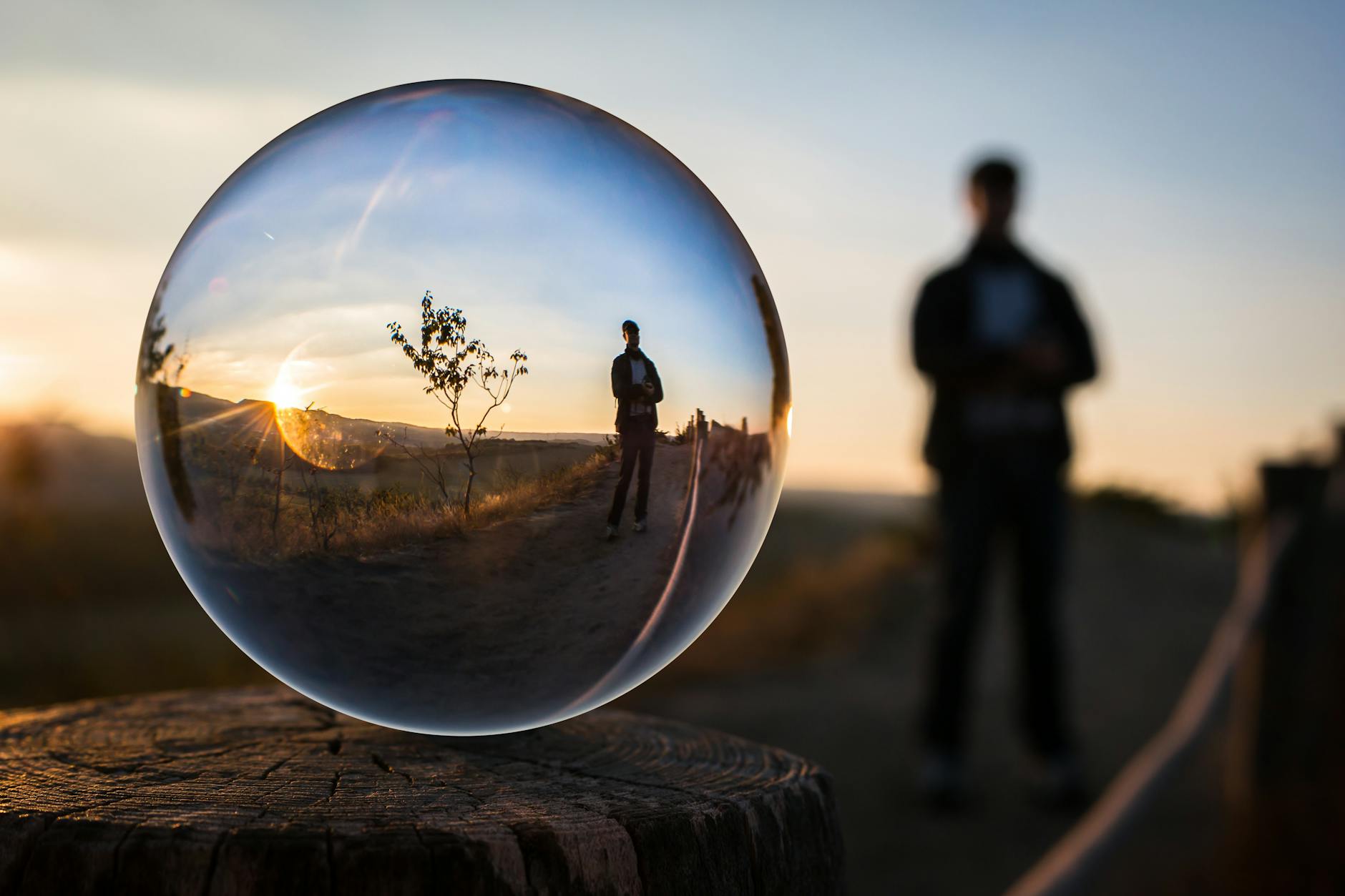
Are We Evolving or Drowning in Our Own Reflection?
The selfie is both a miracle and a curse.
It’s a tool of empowerment, giving each of us control over self-representation. But it’s also a potential prison, where we become our own biggest critics and performers.
We have arrived at Selfie Central, a place where reality bends to the lens, and the self is simultaneously worshipped and fragmented.
So where do we go from here? Maybe the answer is balance. Maybe it’s about reclaiming the joy of the unfiltered moment.
Living as if no one is watching, even if they are. Especially if they are.
 Domesticky
Leave a comment