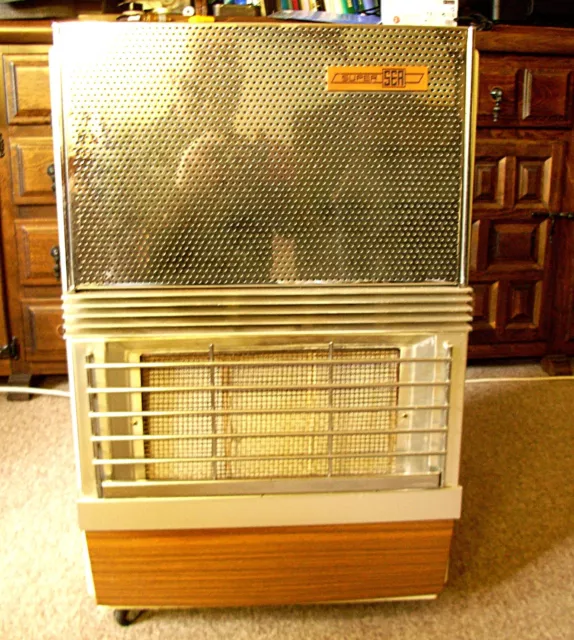
How the UK’s Energy System is Rigged Against You
They say gaslighting is when someone makes you doubt your own reality.
Well, welcome to the UK in 2025, where the government and energy giants have taken that concept and turned it into an economic strategy.
They hike your bills, let energy companies rake in record profits, and then tell you it’s just the way of the world.
It’s not price gouging, they say. It’s market forces. It’s not corruption. It’s efficiency.
And if you’re struggling to afford to heat your home? Well, maybe you just need to budget better.
It’s a classic gaslight job. You know your energy bill is getting bigger. You know your wages haven’t grown at the same rate. You know the profits of BP, Shell, and Centrica are hitting record highs.
And yet, every time you try to call it what it is – a rigged system designed to extract wealth from ordinary people and funnel it upwards – you’re met with a patronising shrug and a government-issued statement about global energy markets, inflation, and “necessary adjustments.”
The UK isn’t literally fuelled entirely by gas, but the way the government spins the energy crisis is a masterclass in metaphorical gaslighting. They manufacture dependence, convince you it’s normal, then shift the blame when the system they created screws you over.

What the Hell Just Happened?
Let’s break it down. The energy price cap – that thing that was supposedly designed to protect customers from excessive charges – is being hiked yet again, meaning millions will see their already astronomical bills climb even higher. This comes on the back of years of energy crisis mismanagement, corporate greed, and government inaction.
Meanwhile, energy companies are reporting record profits. BP, Shell, and the rest of the fossil-fuel mafia continue raking in billions while families across the UK are forced to choose between heating and eating. We’ve got pensioners rationing their heating, parents going without meals to keep the lights on for their kids, and workers who were once comfortably middle-class now finding themselves in energy poverty. But sure, let’s keep pretending this is just the invisible hand of the market doing its thing.
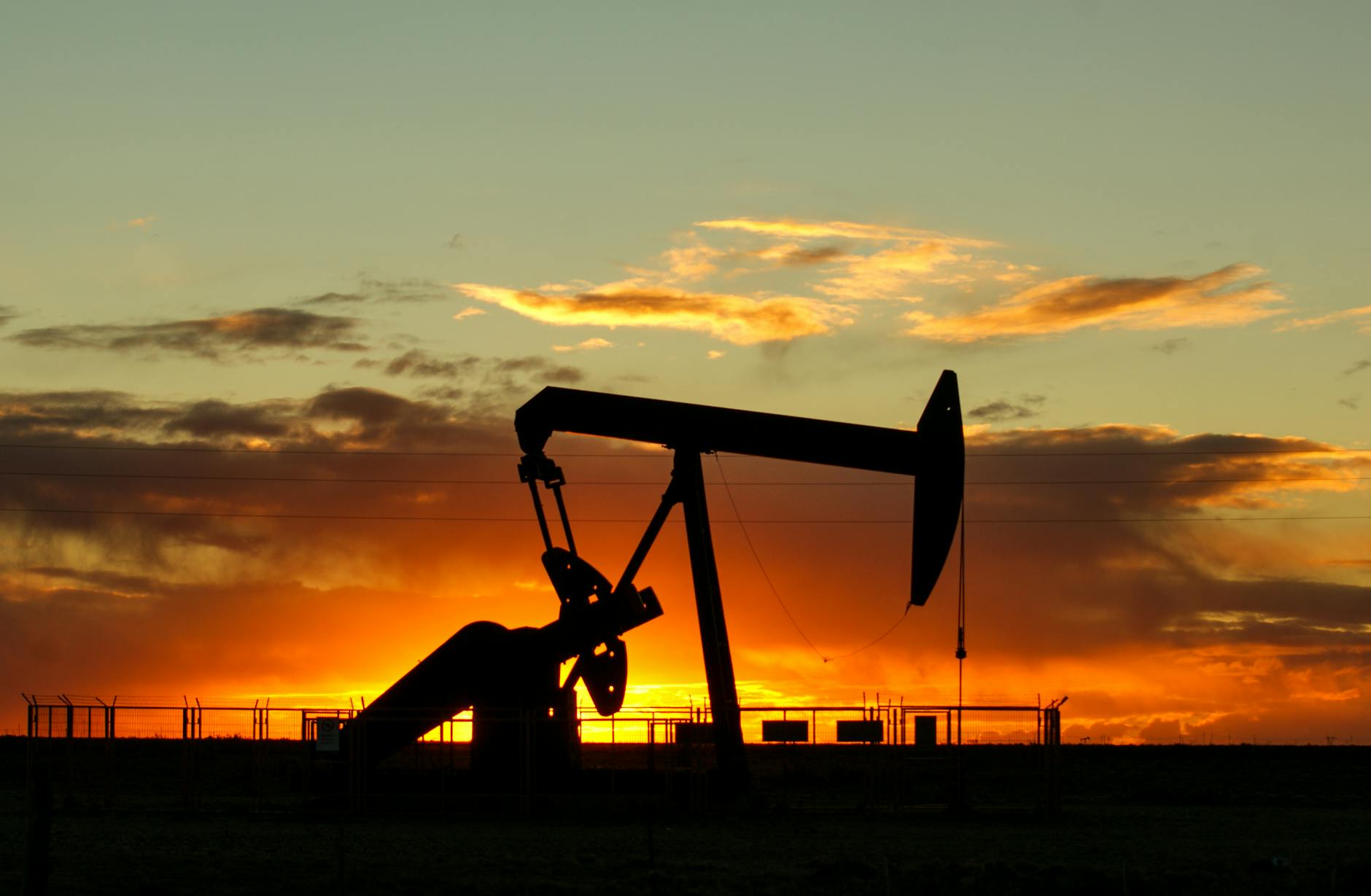
Ofgem: The Lapdog of Big Energy
Ofgem’s job is to regulate the market and ensure fair pricing. Except, time and again, it has proven itself utterly spineless. Rather than standing up to the industry and enforcing genuine price controls, it has effectively become an enabler of corporate excess.
Here’s a question: when was the last time Ofgem took meaningful action against the energy giants? Has it punished them for overcharging consumers? Has it stepped in to break up the monopoly? Has it forced energy suppliers to reinvest their profits into infrastructure or customer relief?
No. Ofgem exists to give the illusion of regulation while standing idly by as companies fleece the public. It rubber-stamps price hikes under the guise of market stability, all while people freeze in their homes.
Why Is This Allowed to Happen?
It all boils down to the same toxic mix of deregulation, corporate lobbying, and political cowardice.
- Privatisation & Deregulation: The UK’s energy sector was carved up and sold off to private companies who now prioritise shareholder profits over public good. Once essential services are handed to corporations, the public becomes a captive market.
- Corporate Influence on Government: Energy companies have the ear of policymakers. Through lobbying, donations, and cushy post-political career opportunities, they ensure that legislation always leans in their favour.
- Weak Regulation: Ofgem has neither the teeth nor the will to truly hold energy companies to account. Instead, it engages in performative oversight while doing little to challenge the fundamental dysfunction of the market.
The Cause and Effect of This Clusterfuck
What happens when you allow unchecked corporate greed to run riot in an essential service?
- Massive energy poverty: Tens of millions struggling to afford the basics of modern life.
- Inflationary pressure: Higher energy costs drive up the price of everything, from food to housing.
- Austerity 2.0: Governments will wring their hands about budget deficits while refusing to tax energy giants appropriately, instead opting for cuts to public services.
- A ticking social time bomb: At some point, people will snap. The cost-of-living crisis is already fueling discontent, and energy injustice is a major part of that anger.

So, What Needs to Change?
- Re-Nationalisation of Energy: The only way to ensure fair pricing and energy security is to take it out of the hands of profit-driven corporations and bring it back under public ownership.
- Proper Windfall Taxes: No more half-measures. Energy giants making obscene profits should be heavily taxed, with revenues used to support struggling households.
- A Regulator With Real Teeth: If Ofgem won’t do its job, it should be scrapped and replaced with a body that has real powers to cap profits, enforce fair pricing, and break up energy monopolies.
- Investment in Renewables: Long-term, we need to reduce dependence on volatile fossil-fuel markets and move towards a sustainable, publicly owned energy infrastructure.

Stop Gaslighting the Public
We’re constantly told this is just how the market works, that energy prices are dictated by global conditions, and that nothing can be done. That is absolute nonsense. Other countries have effective price controls, nationalised energy grids, and governments willing to intervene. The UK does not, because its leaders choose not to.
Ofgem isn’t failing because it’s powerless; it’s failing because it was never meant to succeed.
It exists to maintain the illusion of oversight while enabling corporate plunder.
The public deserves better. But until we demand radical change, we’ll keep paying the price—literally.
 Domesticky
Leave a comment