How Divide and Conquer Worked on Irish Society, and Why It Doesn’t Suit Us…
Ireland is a country built on community. From the ancient Brehon laws that championed collective responsibility to the traditional céilí where everyone danced together, we’ve long valued the power of connection.
Yet here we are in 2025, a nation increasingly atomised, where the idea of community is more of a nostalgic fantasy than a lived reality.
But this isn’t just an Irish problem. It’s a global symptom of late-stage capitalism and the calculated divide-and-conquer strategies employed throughout history.
We’ve been conditioned to believe that individuality equals progress and that solitude is a marker of success.
But in Ireland, it doesn’t suit us. And it never has.

A Legacy of Community: From Brehon Law to the Celtic Revival
In ancient Ireland, community wasn’t just valued. It was essential.
Brehon law, our earliest legal system, placed community welfare at the forefront.
Land and resources were held collectively, and disputes were resolved in ways that restored social harmony rather than isolating the guilty.
Compare that to today, where the notion of communal ownership is seen as quaint at best and communist at worst.
Fast forward through centuries of colonisation, where the British systematically broke down communal structures and replaced them with privatised ownership and individual accountability. The famine, the plantation system, and forced emigration – all of these historic flashpoints were engineered to break the Irish spirit of togetherness.
And in many ways, they succeeded.

The Colonised Mind: How British Propaganda Seeps into Irish Psyche
Centuries of colonisation didn’t just break our communities. It invaded our minds.
British propaganda painted the Irish as uncivilised, unruly and unworthy – heathens and savages who needed the guiding hand of empire.
Over generations, that story seeped into our collective consciousness.
The tragedy of the colonised mind is that it turns inward, leading us to judge each other by the very standards imposed on us by those who sought to diminish us.
This internalised sense of inferiority still echoes today when we look at our own with suspicion or disdain.
If someone dares to succeed, we whisper that they’re getting too big for their boots. If someone struggles, we mutter that they’ve brought it on themselves.
We’ve inherited a fragmented sense of identity that makes us prone to division.
A convenient – if not downright clever – outcome for those who originally imposed it.
The Far-Right Fear Factory: How They Hijack the Conversation
In recent years, we’ve seen the rise of far-right ideology creeping into Irish discourse, fuelled by a global narrative that blames immigration for societal problems.
The irony? The same countries that colonised half the world – Britain among them – didn’t hesitate to impose their presence on other lands with a Bible in one hand, the scales of justice in the other, and a gun in the other.
Maybe the rest of us just don’t have enough hands – or insatiable appetite for – this kind of land grabbing?
Now, those same countries feed the narrative that modern immigrants are the problem, conveniently erasing their own brutal histories of displacement and subjugation.
Here in Ireland, we’re being sold the same divisive myth – pit communities against each other, create a scapegoat, and make people believe that solidarity with fellow humans is somehow a threat to their own way of life.
It’s nonsense, and it’s dangerous.

The Modern Isolation: Cars as a Metaphor for Disconnection
Take a look at modern Ireland, and you’ll see it in our infrastructure.
Cars dominate the landscape, with more cars per capita than most European countries. We’ve built entire suburban sprawls with the assumption that everyone drives solo. Public transport? A distant second thought, patchy at best. We drive to work alone, we shop alone, we go to the gym alone. The very fabric of our lives is fragmented.
Or maybe that’s just me?
In Dublin, around 63% of households own at least one car, and in rural areas, it’s closer to 90%.
The roads are clogged, the air quality is suffering, and yet we persist – because we have been sold the idea that autonomy is a form of freedom. In reality, it’s another way to keep us apart.
Public Transport and Social Cohesion: Lessons from Abroad
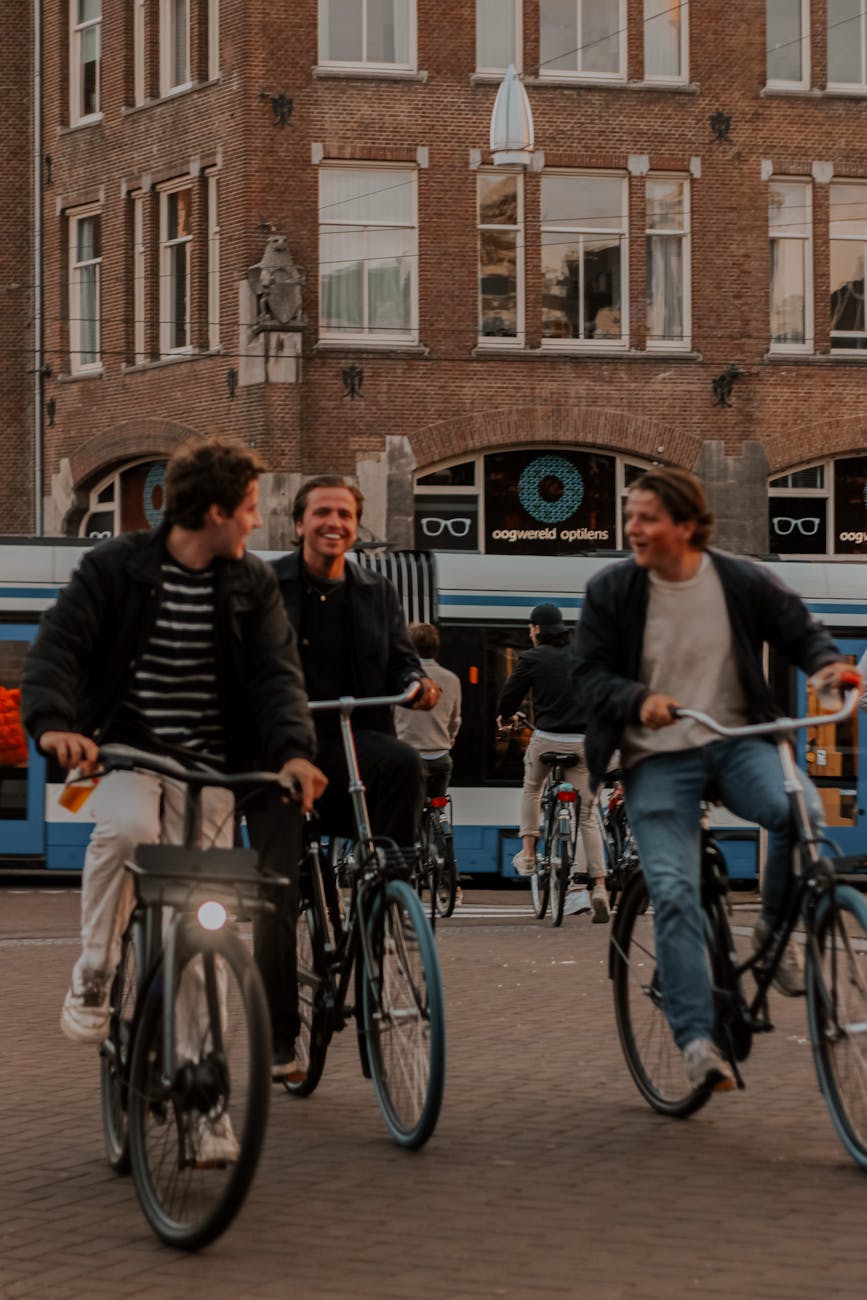
Now look at countries that get it right – like Denmark or the Netherlands – where cycling infrastructure and efficient public transport make car ownership a choice rather than a necessity. These places aren’t just more sustainable; they’re happier.
Why? Because public spaces encourage interaction. You see your neighbours. You talk to strangers. You remember that you’re part of something larger than yourself.
But then there are wealthy capitalist hubs like New York and London, where public transport is miserable – packed, stressful, isolating.
It’s a system designed to move workers efficiently, not to build community.
These cities exemplify how capitalist priorities disregard human needs, creating daily environments of isolation and frustration.

The Capitalist Agenda: Divide and Isolate
And this is the crux of it: systems that prioritise profit over people don’t want community.
They want isolated consumers who make individual purchases rather than communal ones.
The more isolated we are, the easier we are to manipulate, market to, and exploit.
If public transport becomes intolerable, you’ll buy a car.
If local pubs close, you’ll drink alone at home.
If you can’t get that lifesaving operation on the NHS (in the north), you’ll go private.
If your job goes remote, you’ll work in silence, isolated from your colleagues.
Reclaiming Community in a Fragmented Ireland
The way forward isn’t to long for the past but to fight for a future that remembers our roots. Invest in public spaces. Demand better transport. Celebrate shared ownership of resources. Talk to your neighbours.
We don’t need to return to a mythologised past, but we do need to realise that the fragmented, individualised way we’re living isn’t sustainable.
And it’s certainly not Irish.
Community isn’t just about being nice.
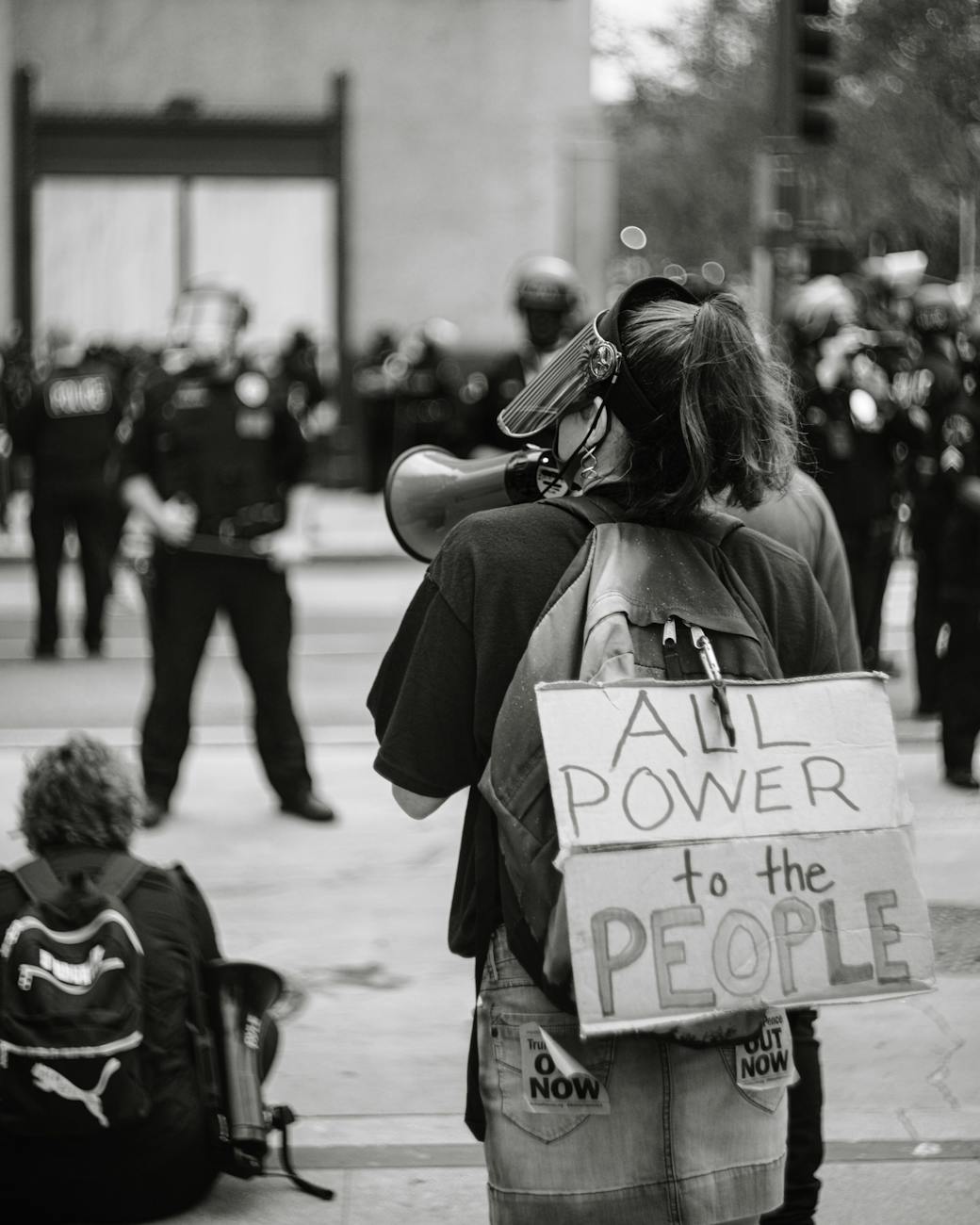
It’s about power.
The more connected we are, the harder we are to divide.
And in a world that thrives on division, coming together is the most radical act we can commit.
 Domesticky
Leave a comment