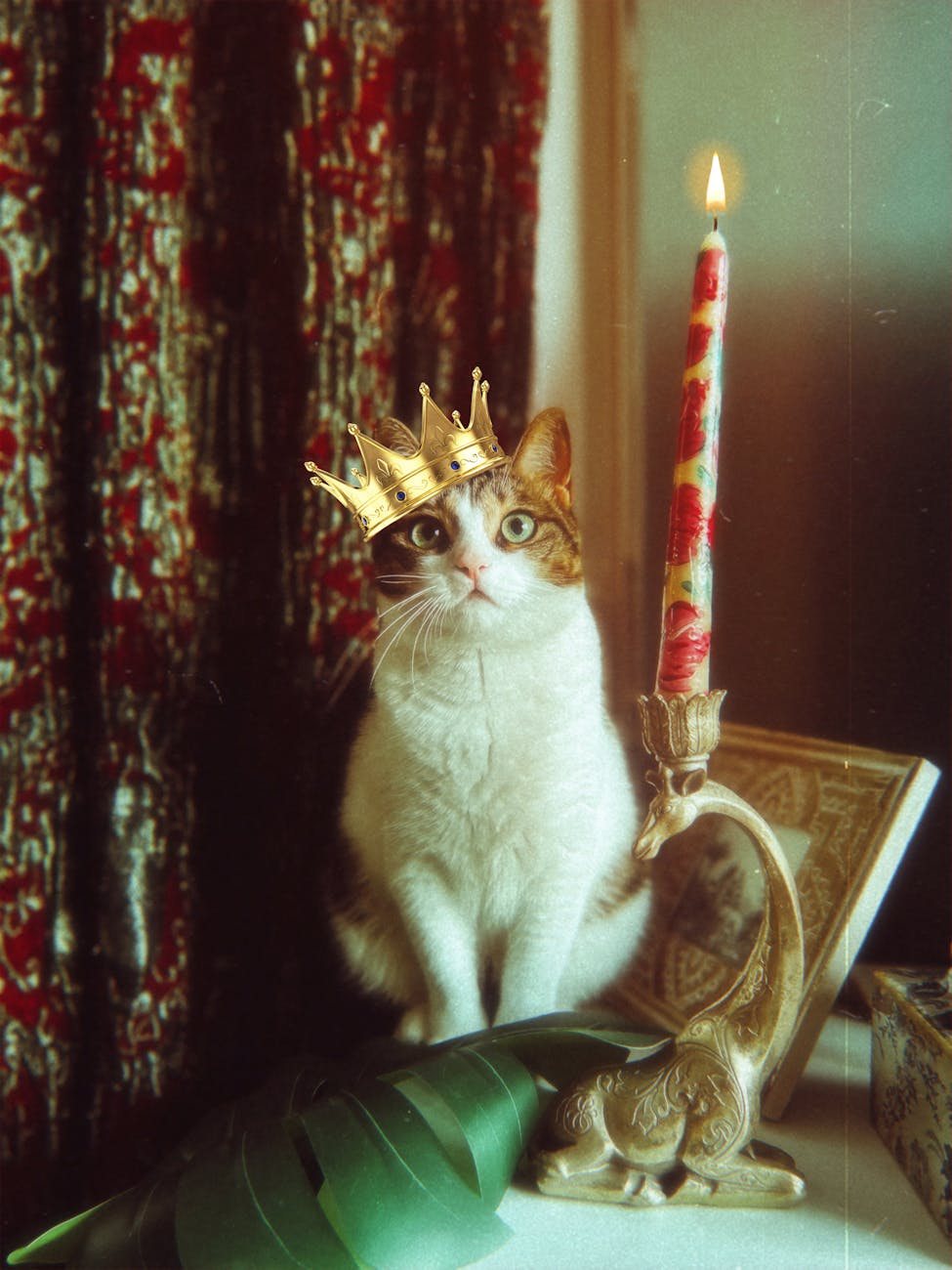
As humans, we do love a good hierarchy. There’s something comforting about knowing someone’s at the top. Even if it means the rest of us are firmly at the bottom.
It’s also easy. Why bother striving for equality when you can just crown someone and call it a day?
The British have taken this love of hierarchy and wrapped it in the most glittering, gilt-edged fairy tale of all: the monarchy.
It’s almost inconceivable – incredible, in fact – that most people have been convinced it’s all fair and square for a few lucky souls to live in castles, dripping with jewels, doing their level best to remain forever humble about their vast wealth while bearing the weight of the nation.
Heavy is the head that wears the crown and all that shite.
Best of British, they’ve managed to convince their subjects that this is not just acceptable but downright necessary. Why? Because tradition, that’s why. And who are we to question centuries of questionable decisions made by men in wigs?
In Ireland, treating all the children of the nation equally is written into the constitution. Though, even with this strong intent, it’s fair to say that putting equality into practice is a daily work in progress.
But what happens when you go right the other way: when you deliberately embed inequality in society?
For example, by bestowing a life of extreme privilege, wealth, and influence on a few individuals simply due to their birth?
At its core, the British monarchy’s “magic” is how it normalises inequality, dressing up privilege as destiny and tradition, allowing a few to live in splendour while others struggle to get by.
But here’s where it gets really clever: the monarchy is the ultimate magician’s trick. It dresses up privilege as destiny and inequality as heritage, making it almost noble to be poor so long as you can wave a little Union Jack at a passing carriage. No one does pageantry quite like the Brits, and no one accepts their place in the queue quite so willingly. It’s a system so brilliant it almost makes you want to curtsy.
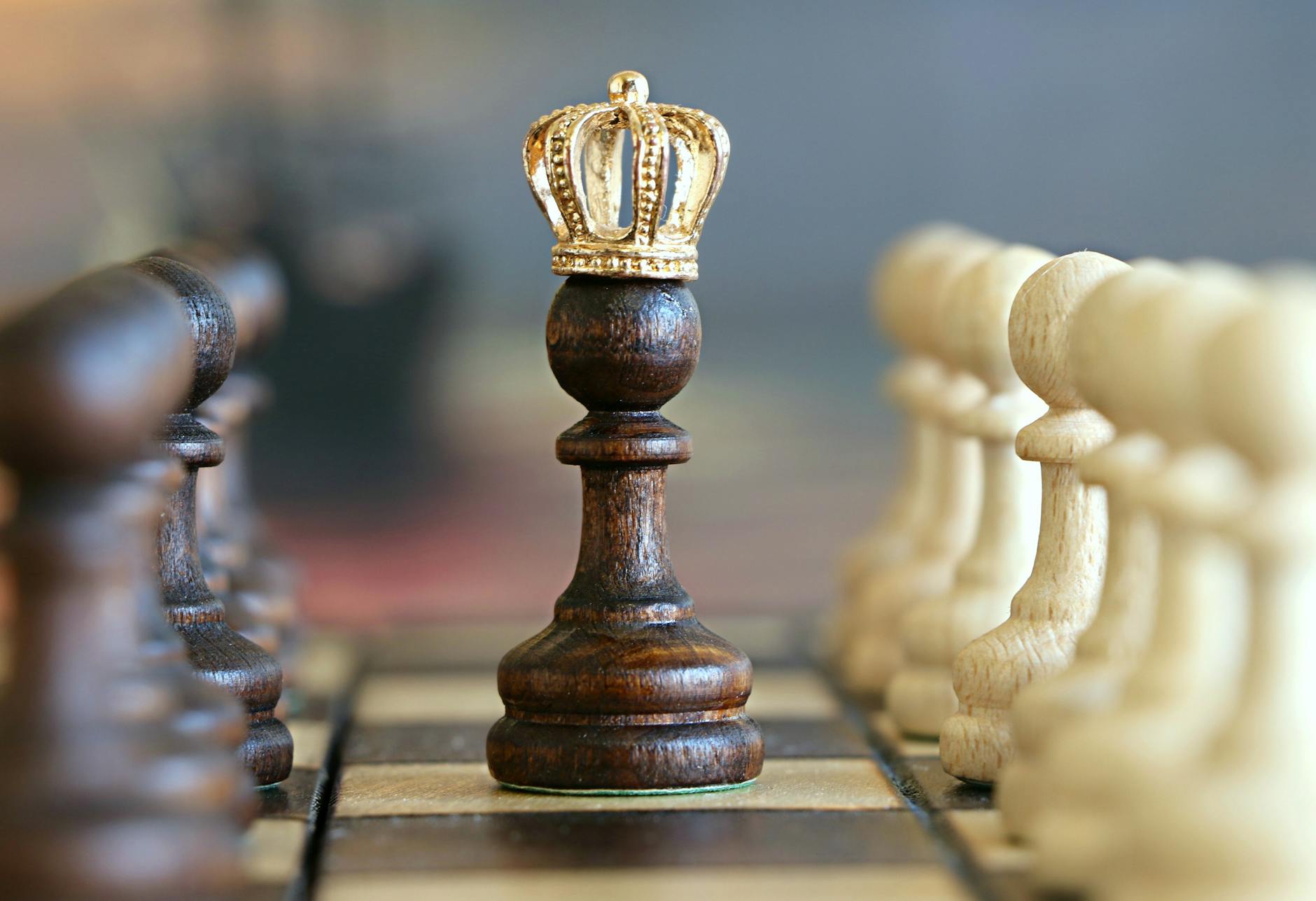
Exporting Inequality with a Royal Seal
Now, once you’ve embedded this charming inequality at home, why not package it up and send it around the globe?
Enter the British Empire: bringing civilisation (or at least the illusion of) one colony at a time. The monarchy became the poster child for imperial ‘unity’ – a benign, apolitical figurehead who could tour colonies, shaking hands while Parliament did the messy work of exploitation and control.
The queen didn’t oppress you, see? She just smiled sweetly, almost apologetically, as your country’s resources were shipped off to London.
And this is where the monarchy really shines. While the government enacted brutal policies in places like India or Kenya, the monarch remained above reproach.
You could hate British rule without hating the Crown. Ingenious, really. Just add a bit of pomp, a dash of royal tour, and suddenly the empire looks less like a boot on your neck and more like a benevolent guest, offering the gift of Britishness whether you wanted it or not.
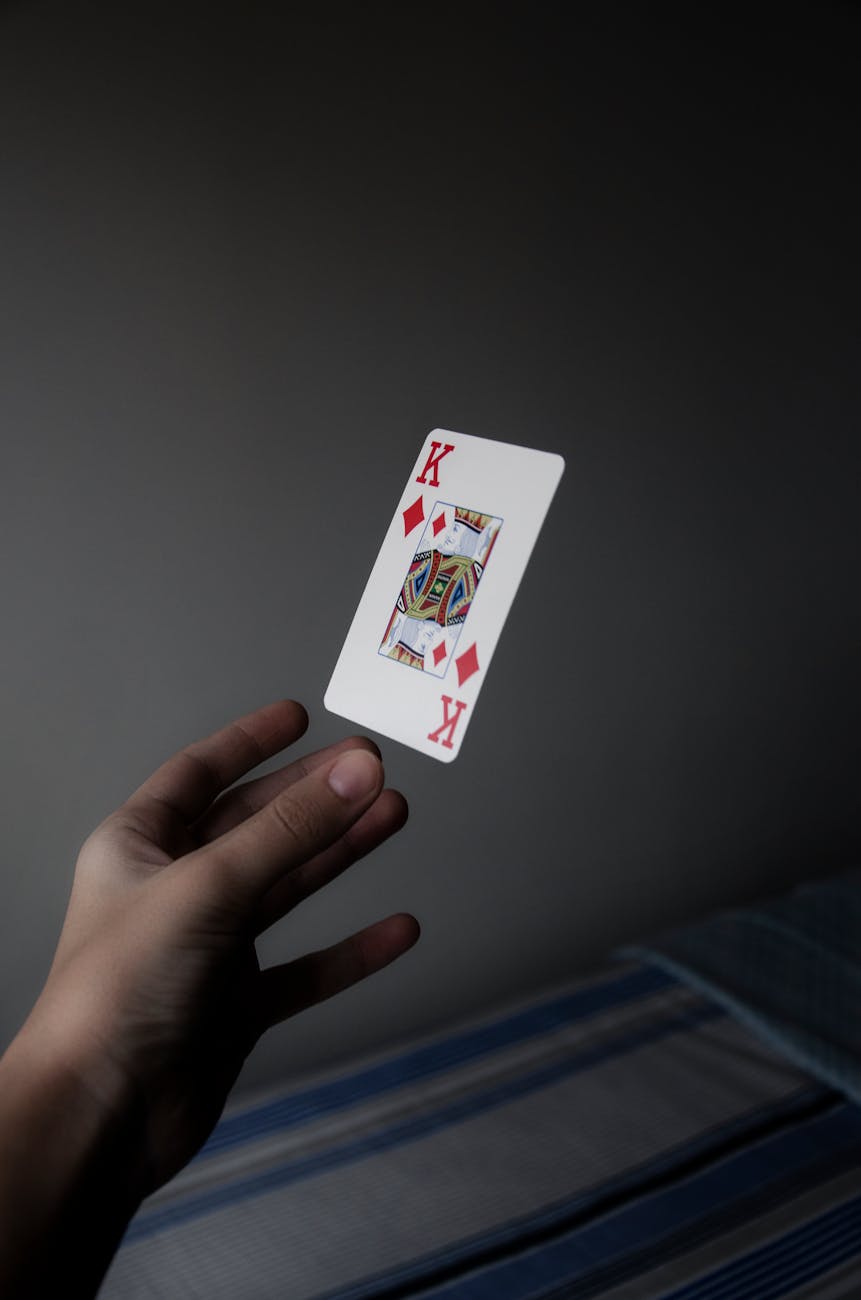
The Monarch as Moral Mascot
The monarchy’s most inspired trick? Remaining relevant by being irrelevant. You’d think that in a democracy, having a family born into immense privilege would seem a bit, well, off.
But no. It turns out people love the idea of continuity, especially when it’s embodied by someone who doesn’t actually do anything. The queen? She didn’t make the laws; she just nodded along. She wasn’t responsible for the actions of the empire; she just wore the crown. And the British loved her for it.
Even better, they exported this idea. In the Commonwealth – essentially the empire’s afterparty—the monarchy remained the symbolic figurehead, all the authority with none of the blame. Colonialism? That was politics. The queen? She was just the kindly grandmother who hosted tea.
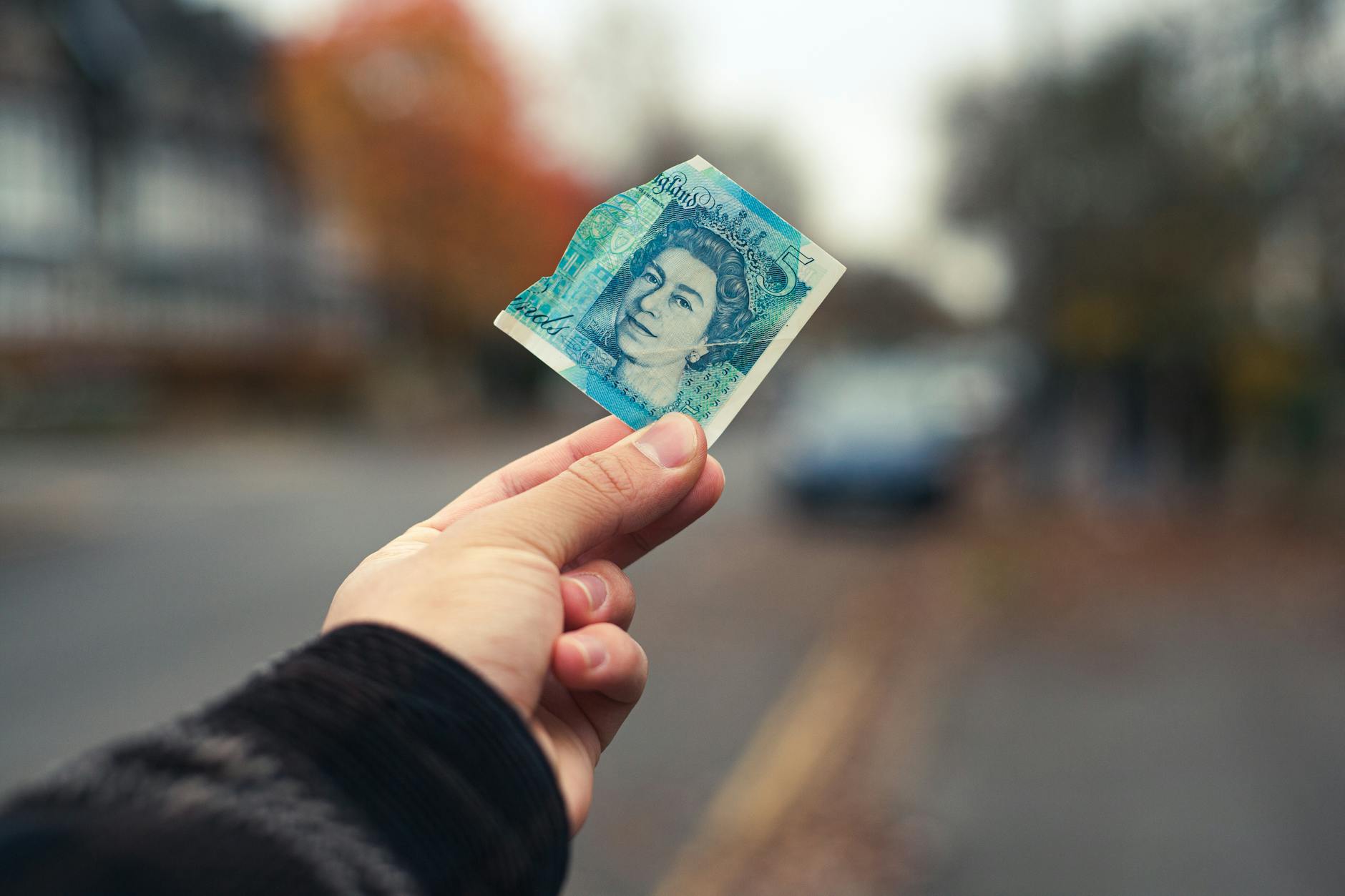
The Psychology of Subservience
People love stories. And the monarchy is a story so well-told that even when it doesn’t make sense, it still feels right.
The tale of divine right, noble blood, and a family ordained by history. Who wouldn’t want to believe that their rulers are not just lucky, but chosen? It’s why even when the monarchy’s personal lives are a disaster, people still cheer at the balcony wave.
They’re invested in the fantasy.
The monarchy cleverly taps into a deep-seated human desire for stability and order. And in Britain, that means clinging to the idea that the same family has been inexplicably important for centuries. The fact that this family’s importance is entirely made up? Well, that’s just details.
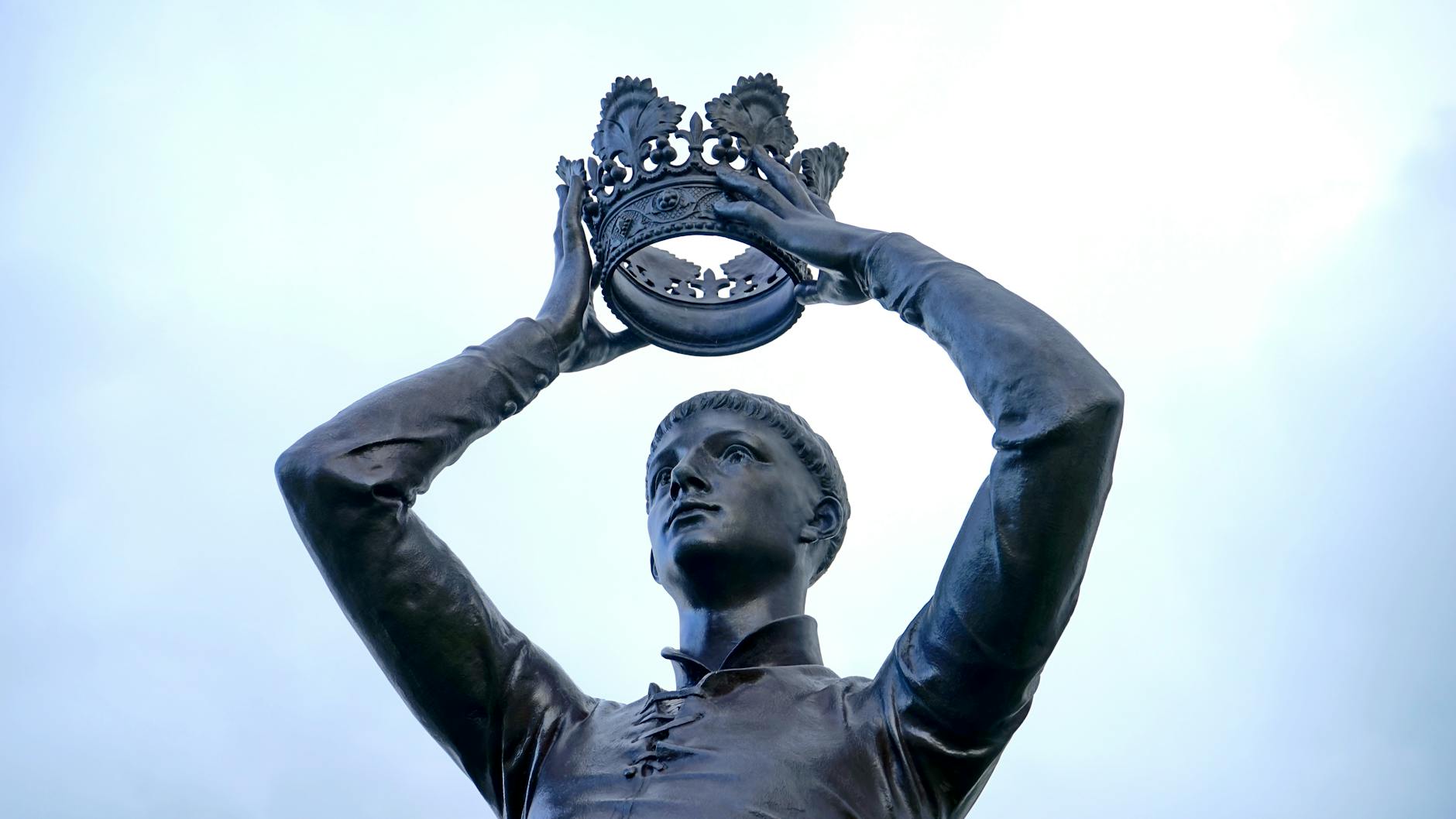
The contrast between striving for equality and institutionalising inequality through monarchy is the heart of this entire illusion.
Where some nations grapple imperfectly but earnestly with the challenge of treating everyone equally, Britain has crowned inequality itself – quite literally – and called it destiny.
The British monarchy is the ultimate PR victory: a brand so strong that it’s immune to scandal, logic, or the small matter of its own redundancy. It’s the glittering jewel in the crown of British exceptionalism, a shiny distraction from the messiness of democracy and history. And the best bit?
The people love it. Long live the illusion.
 Domesticky
Leave a comment