
What happens when you enter a system built to contain you and decide to change the rules?
“For the master’s tools will never dismantle the master’s house. They may allow us temporarily to beat him at his own game, but they will never enable us to bring about genuine change.”
— Audre Lorde
In the North of Ireland, we’ve spent the last 25 years trying to turn the master’s house into something liveable. Power-sharing, parity of esteem, democratic compromise.
The language has changed, but the foundations have not.
Because it was never our house to begin with.
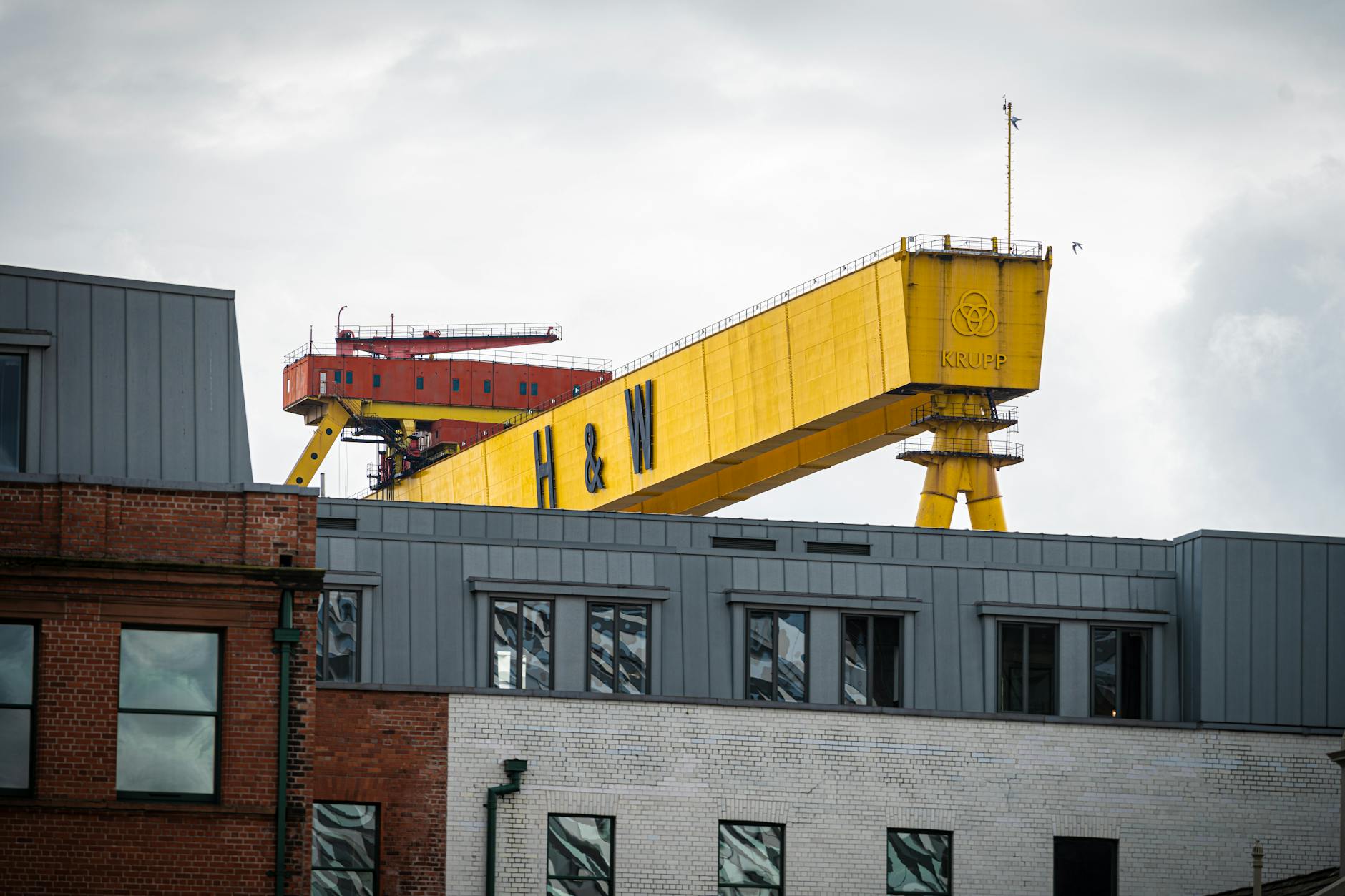
A House Built for Control, Not Care
Stormont wasn’t designed to empower people. It was designed to manage them.
The six-county state was carved out of Ireland not as a democratic solution, but as a strategic outpost of British control. A place where loyalism could be used to hold the line. A place where division was policy, not accident.
The institutions that emerged after partition weren’t neutral. They were engineered – to preserve unionist power, protect British interests and contain the political ambitions of those who wanted something different.
Even now, the architecture of that system remains. It’s more polished, more palatable, but no less controlling.
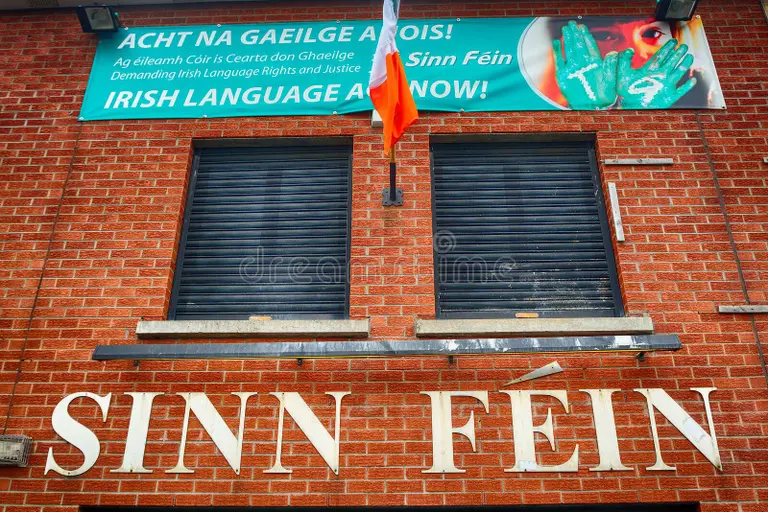
Sinn Féin: Inside the House That Hates Them
Sinn Féin entered that system not because they believed in it, but because they believed they could change it. From the streets to the polling booths, they built a movement that challenged the structures of power not from outside. From within.
They now hold more seats than any other party in the North. They’ve grown into the largest political force across the island. And they’ve done it through consistent, disciplined, community-rooted work.
But presence in power doesn’t equal control of it.
Stormont is still shaped by a framework that was never intended to deliver equality -only manage imbalance. And Sinn Féin, for all their electoral strength, now face the reality of trying to lead within a system designed to constrain leadership itself.
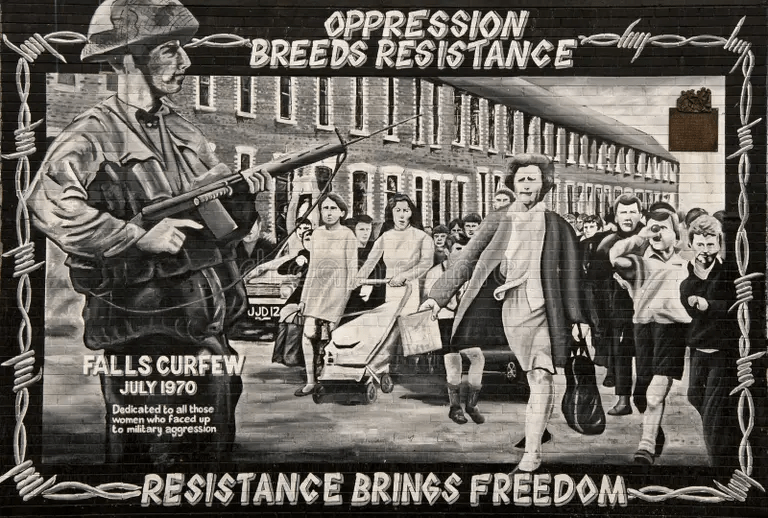
The Quiet Revolution They Didn’t See Coming
While the headlines focused on power-sharing deals and party rivalries, something more profound was happening under the surface: people were organising differently. And being led differently, too.
One of the most important and underreported shifts in the North has been the rise of women as political leaders. Not as a PR exercise, but as a result of long-standing community activism, family advocacy and local resistance work that’s been happening for decades.
Bernadette Devlin didn’t wait to be invited into politics. She stepped into it and demanded attention, becoming the youngest MP ever elected at Westminster at just 21. She brought working-class, republican, and civil rights struggles straight into the halls of British power. And didn’t temper a word.
She wasn’t alone. All across the North, especially during the worst years of the conflict, women were running the show behind the scenes: managing housing associations, visiting prisoners, coordinating community services, sustaining local economies. Not ceremonial roles. Critical ones.
Today, Michelle O’Neill stands as First Minister-designate not as an exception, but as the outcome of that tradition. Her leadership is rooted not in rhetoric, but in relationship—decades of embedded work in the communities she now represents. Mary Lou MacDonald carries that same thread, shaped by a different path but pulling in the same direction: forward.
The political landscape is changing. Not because it was redesigned, but because those who were never meant to lead have taken their place anyway.
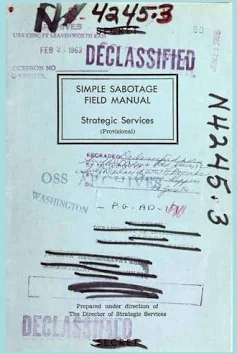
How to break a system without blowing it up:
In 1944, the CIA’s predecessor (the OSS) published a “Simple Sabotage Field Manual” to help citizens in occupied countries disrupt enemy operations. The tactics? Mind-numbingly ordinary: hold endless meetings, enforce every rule to the letter, insist on perfect paperwork, and promote the least competent people.Weaponised incompetence, before it was trendy.
The Bureaucracy Is the Weapon
If military suppression was the tool of the past, administrative overload is the tool of the present.
Today’s struggles aren’t just fought on picket lines or protest marches. They’re buried in funding applications, cross-community criteria, procurement processes, and red-tape protocols that absorb time, energy and momentum.
Every policy becomes a procedure. Every ambition is translated into risk assessments and stakeholder consultations. Every challenge to the status quo is softened by layers of administrative delay.
This is not accidental. It is designed to keep radical politics busy but not effective. Tired but not dangerous. Present but not transformative.
This administrative burden is not neutral. It is one of the master’s tools. A tool that exhausts movements, delays justice, and dilutes intent. And Sinn Féin, like many others, are now navigating how to fight against it while still being held within it.
What Now? Play the Game or Break It?
This is the question for Sinn Féin: what next?
They’ve proven they can succeed within the current framework. They’ve shown discipline, reach, and strategy. But the time is coming when they’ll have to decide whether the next step is deeper integration. Or a different game entirely.
Because the longer you operate within a system that was never built to serve your people, the more you risk becoming part of its machinery.
The challenge now is to continue the work outside the walls of government as well as within them.
To build community alternatives. To create space for political education. To invest in youth, housing, and self-sufficiency. To keep the movement alive. Not just the party.
And above all, to remember that this statelet was never designed to last. It was built to divide. Built to contain. Built to uphold something foreign, not something shared.
True democracy won’t be delivered by the structures of the past. It will be built by people who recognise their limits – and dare to go beyond them.

The Irish Way Is Still Possible
The Irish way, at its best, has always been built around collective life. Community. Mutual respect. Local leadership.
Not hierarchy or empire, but shared responsibility.
This isn’t about nostalgia. It’s about integrity.
It’s about creating a political culture that reflects who we really are. Not who we were told to be under foreign rule.
And the longer we stay trapped in the architecture of partition, the more we defer that possibility.
So the real question now is this:
Do we keep trying to fix a house that was never meant to shelter us?
Or do we finally begin to build our own?
 Domesticky
Leave a comment