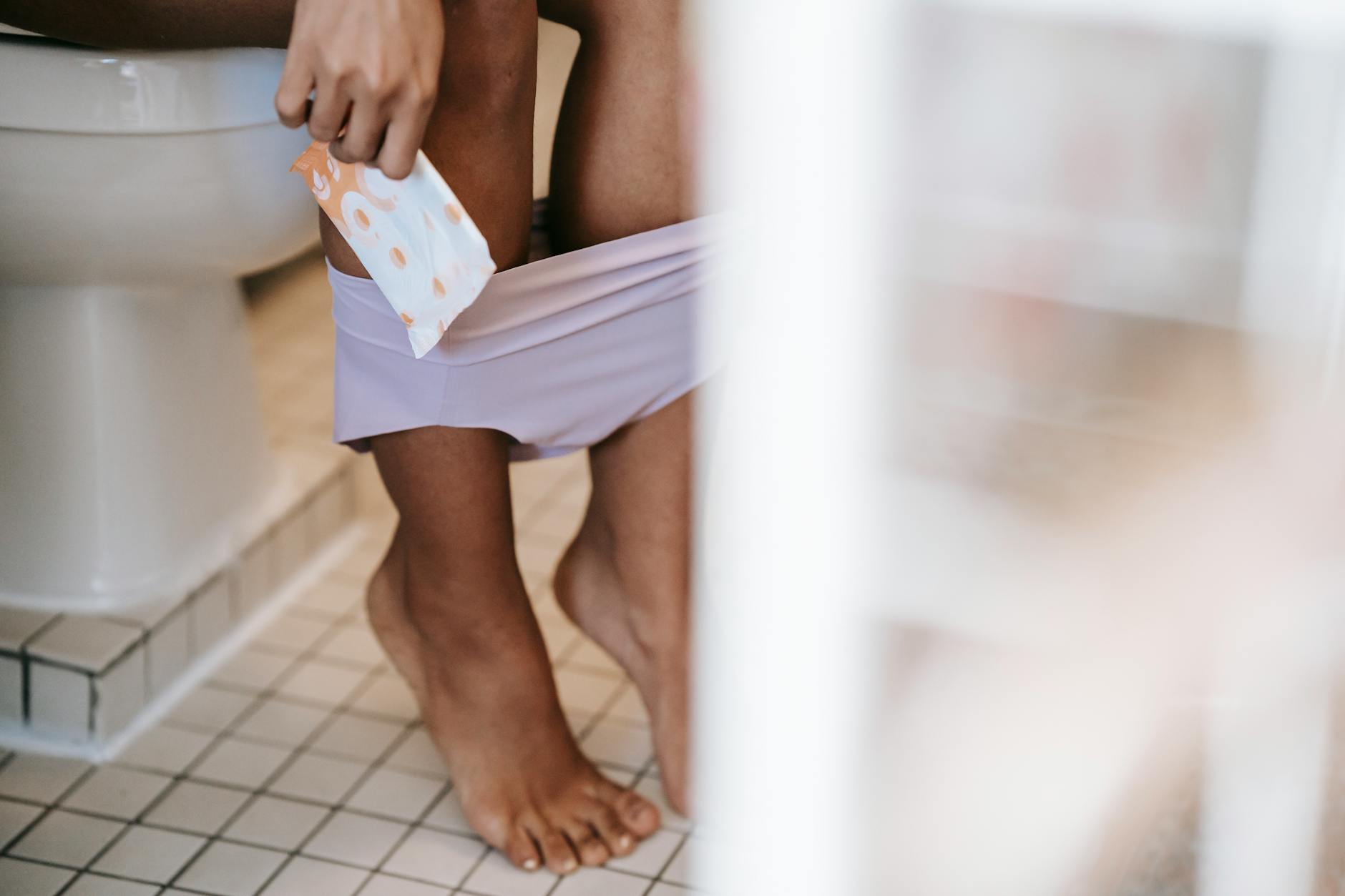
The Privatisation of Periods Must End. Period.
Last night my daughter went out with her workmates to celebrate going to uni.
What impressed her most about the bar? Not the drinks. Not the music.
The ladies’ bathroom: stocked with free towels, Tampax, body spray. Even body butter.
Think about that. A well-stocked loo is revolutionary.
Because most women are so used to paying through the nose for the basics, a free tampon feels like a luxury.
But periods aren’t a luxury. They’re biology.

The Privatisation of Periods
Half the planet bleeds every month. It’s not optional. And yet, every box of pads, every tampon, every cup is a line item in your budget.
£3.50 here, £5 there. Forever.
That’s not healthcare. That’s a racket.
For decades, governments taxed period products like they were champagne and silk sheets.
The so-called “tampon tax” has finally been scrapped in some countries, but the profiteering hasn’t stopped. The market is still stitched up by giants.
Who’s Profiting from Your Period Pain?
- Procter & Gamble (Always, Tampax) – $20.28 billion in 2024 from “baby, feminine & family care.”
- Kimberly-Clark (Kotex, Intimus) – donating a million pads in one country while banking billions worldwide.
- Johnson & Johnson (o.b., Stayfree) – another empire built on biology.
And what do we get? Pink packaging. Blue liquid in the ads. Whisper-quiet marketing that sells shame back to us for profit.
The Human Cost
While the corporations count profits, people bleed.
- 1 in 10 girls in the UK can’t afford products.
- 1 in 4 teens in the U.S. struggle to pay for them.
- Globally, millions miss school every month because they can’t manage their periods safely.
Period poverty isn’t abstract. It’s education lost. It’s dignity stripped. It’s blood money in action.
What Corporates Could Do Tomorrow
The irony? These giants already have the infrastructure. Warehouses. Distribution networks. Supply chains that reach every corner of the globe. They could end period poverty overnight. They choose not to.
Here’s how they could balance the books:
- Cross-subsidise: Use profits from nappies and detergents (Pampers, Tide) to bankroll free pads. If they can whiten your whites, they can cover your reds.
- Universal distribution: Stock every school, workplace, shelter and prison with free products. Every toilet with toilet roll should also have tampons.
- Equity fund: Seed a global menstrual equity fund to underwrite free access and sustainable innovation.
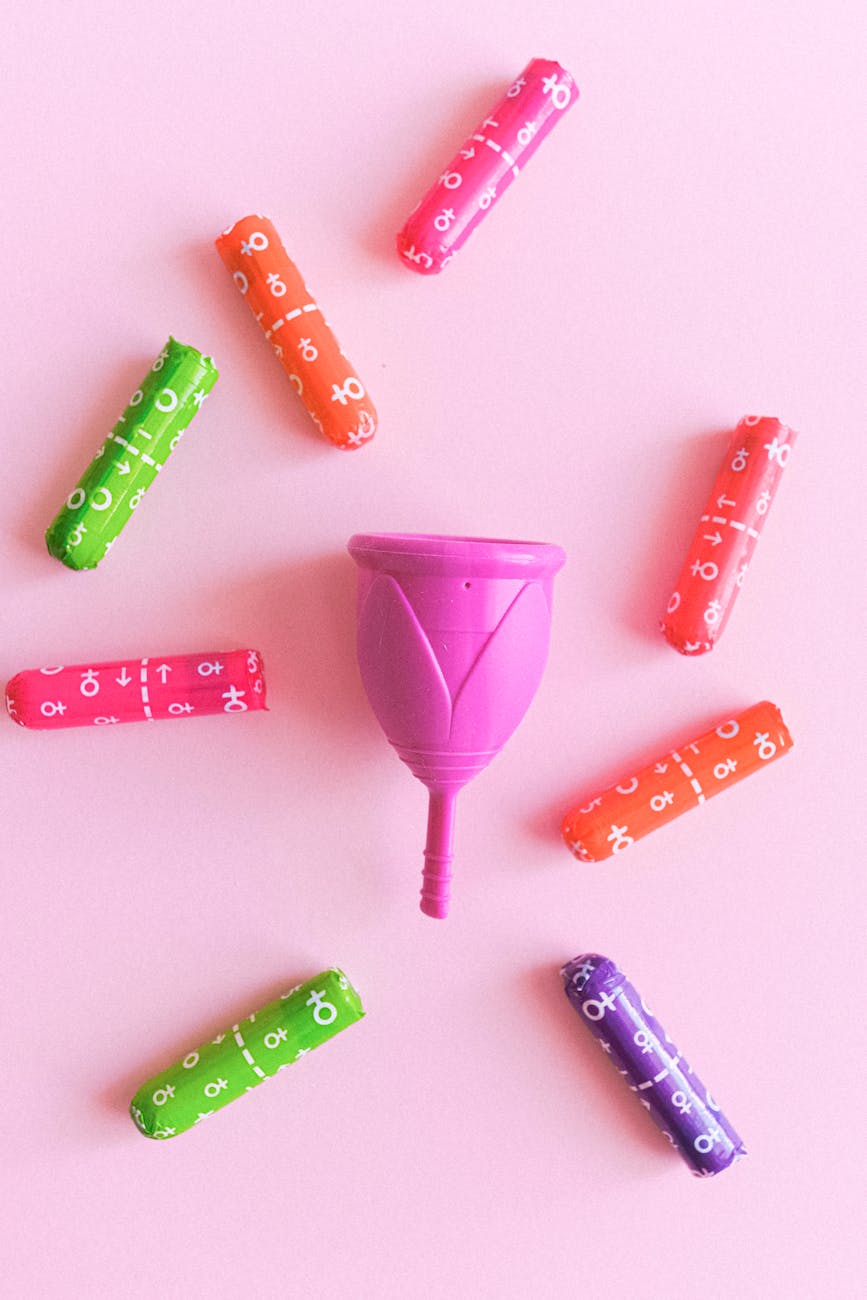
- Sustainable innovation: Invest in low-cost reusables – cups, period pants, cloth pads – and distribute them free to low-income menstruators.
Proof It Works
Scotland did it. Period products are free by law across schools, universities and councils. New Zealand’s rolled them out in schools. Kenya and India have run large-scale distribution schemes. It’s doable.
So why aren’t the biggest players scaling it worldwide? Because shame sells.
And there’s no profit in equity.
Stop the Pinkwashing
No more glossy CSR campaigns with smiling schoolgirls clutching pads while profits soar in western markets. No more “buy one, donate one” stunts.
Just give. Period.
 Domesticky
Leave a comment