How Your Data Pays for Your Purchases
Need to snag a Padraig or snap up a Bridget? Orlaith’s on special, Raymond’s reduced and Noel’s been knocked down a notch – all thanks to Facebook, which is effectively auctioning us off like products to big business.
Facebook has around 2.96 billion monthly active users worldwide. And recent estimates value Meta Platforms (the parent company of Facebook) at around $500 billion, though this figure can fluctuate with market conditions.
It sounds ridiculous, doesn’t it? And yet, every time you scroll, click, and like on social media, you’re being packaged and sold in a never-ending cycle of targeted advertising.
The reality is, you’re not just the customer. You’re also the product.
Let’s take Sally as an example. She’s like most of us, casually browsing Facebook while waiting for the kettle to boil. She likes a few posts, comments on a friend’s holiday snaps, and absentmindedly searches for a new pair of runners. What she doesn’t realise is that every action she takes feeds into an invisible economy where she is the commodity.
Step 1: Sally Uses Social Media (User Interaction)
Sally’s experience feels free. She gets entertainment, connection, and news—all at no cost. But in reality, every like, share and comment is data. And it’s all building a digital profile of her habits, interests, and spending potential.
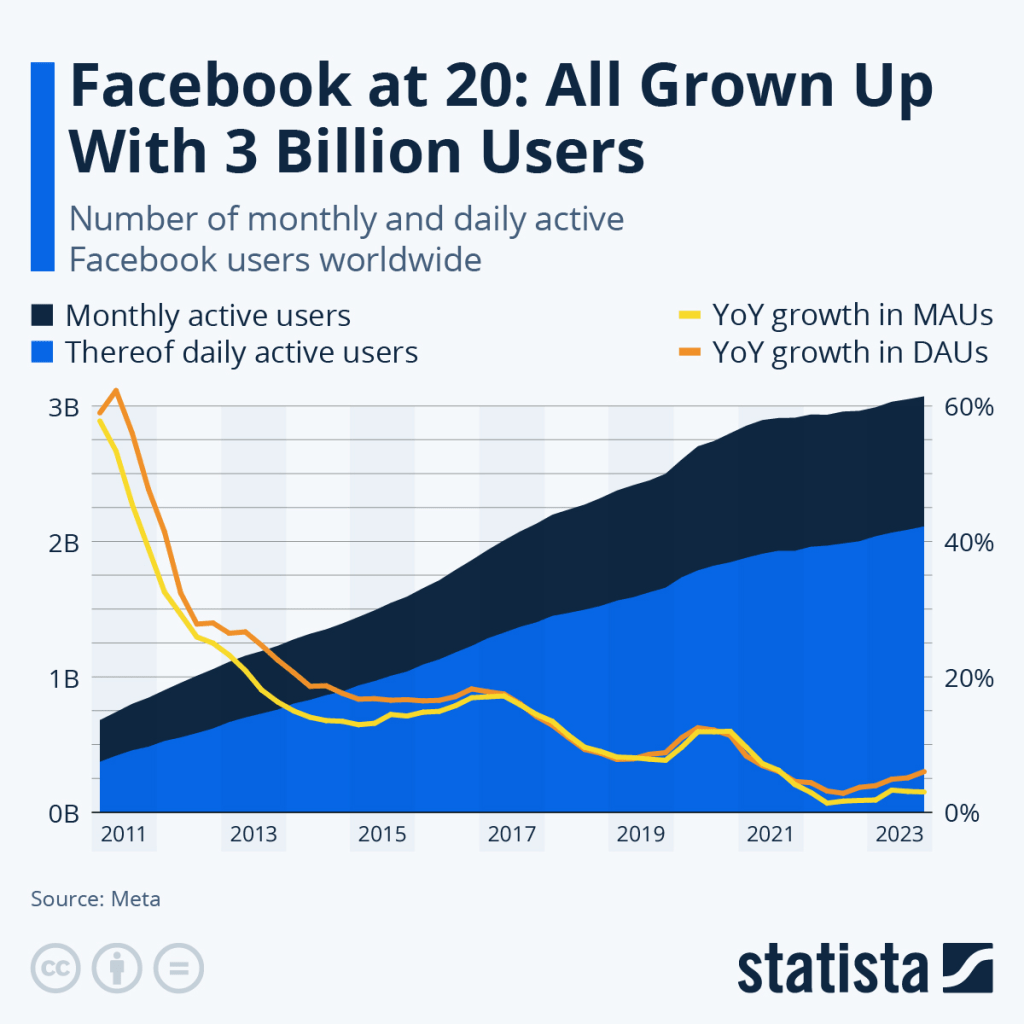
You will find more infographics at Statista
Step 2: The Platform Collects and Analyses (Data Harvesting)
Behind the scenes, Facebook (or any other social media giant) is meticulously tracking Sally’s behaviour. How long she looks at an ad, which brands she interacts with, even what time of day she’s most likely to scroll – it’s all valuable data. This information is then used to place her into highly specific audience segments that businesses can bid on.

‘Utterly horrifying’: ex-Facebook insider says covert data harvesting was routine
Step 3: Businesses Buy Access to Sally (Data Sale)
Enter Nike. The sportswear giant wants to sell more running shoes, and thanks to Facebook’s data, they know Sally is in the market for a pair. Facebook offers Nike access to a curated list of “potential buyers” like Sally, and Nike happily pays for the privilege. The more specific the data, the higher the advertising price.
Step 4: Sally Sees the Ad (Marketing Spend)
As she scrolls, an ad appears: Exclusive 20% Off Running Shoes – Just for You! Sally is intrigued. She hadn’t even properly decided to buy runners yet, but this ad feels like a sign. In reality, it’s not fate—it’s the direct result of an algorithmic decision based on her data.
Step 5: The Cost Gets Passed On (Product Pricing)
Nike has a hefty marketing budget, and that Facebook ad was part of it. But Nike isn’t taking that cost out of their profits – it’s already built into the price of the shoes. In other words, Sally is essentially paying for the privilege of being advertised to.
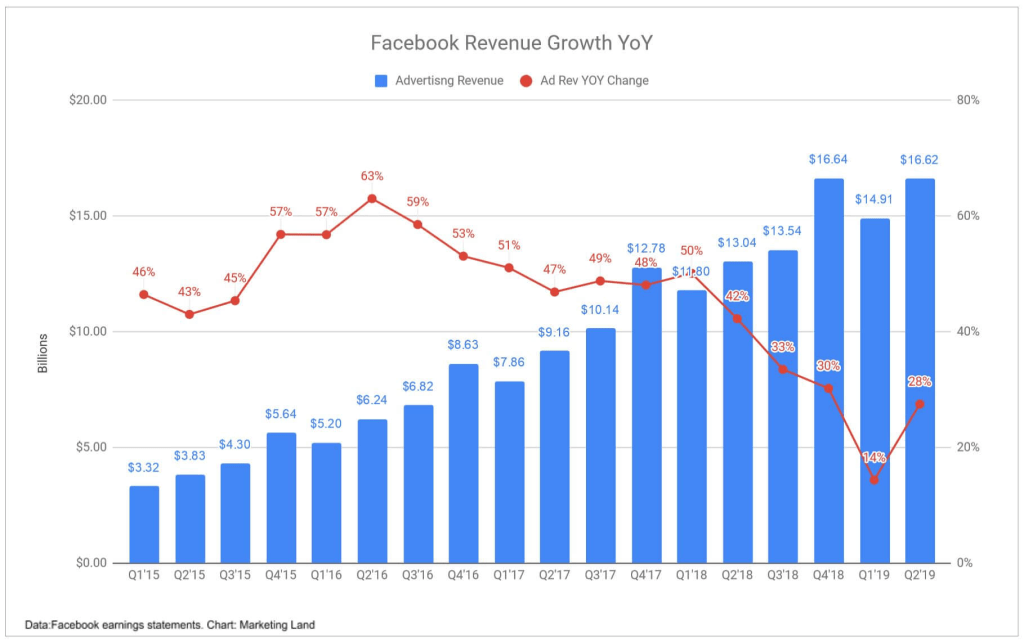
Facebook reported strong ad revenue growth in Q2, Instagram ads continue to drive impression growth
Step 6: Sally Buys, and the Cycle Continues (Consumer Purchase)
She clicks. She buys. The algorithm logs it as a successful conversion. Now Sally is an even more valuable target, and the cycle starts again. Next time, it won’t be runners.
It’ll be skincare, tech, or something she didn’t even know she wanted yet.
The Big Picture
Social media isn’t free—it’s just a different kind of transaction. Platforms offer connection in exchange for your data, and that data is then sold to advertisers who use it to convince you to buy things. In the end, the cost isn’t just monetary—it’s the slow erosion of privacy, the quiet manipulation of desires, and the invisible influence shaping what we think we need.
So next time an ad feels perfect for you, remember: it is.
Because, whether you like it or not, you have already been sold.
If you like this, you might also want to read You’re Not Going to Like This.

 Domesticky
Leave a comment