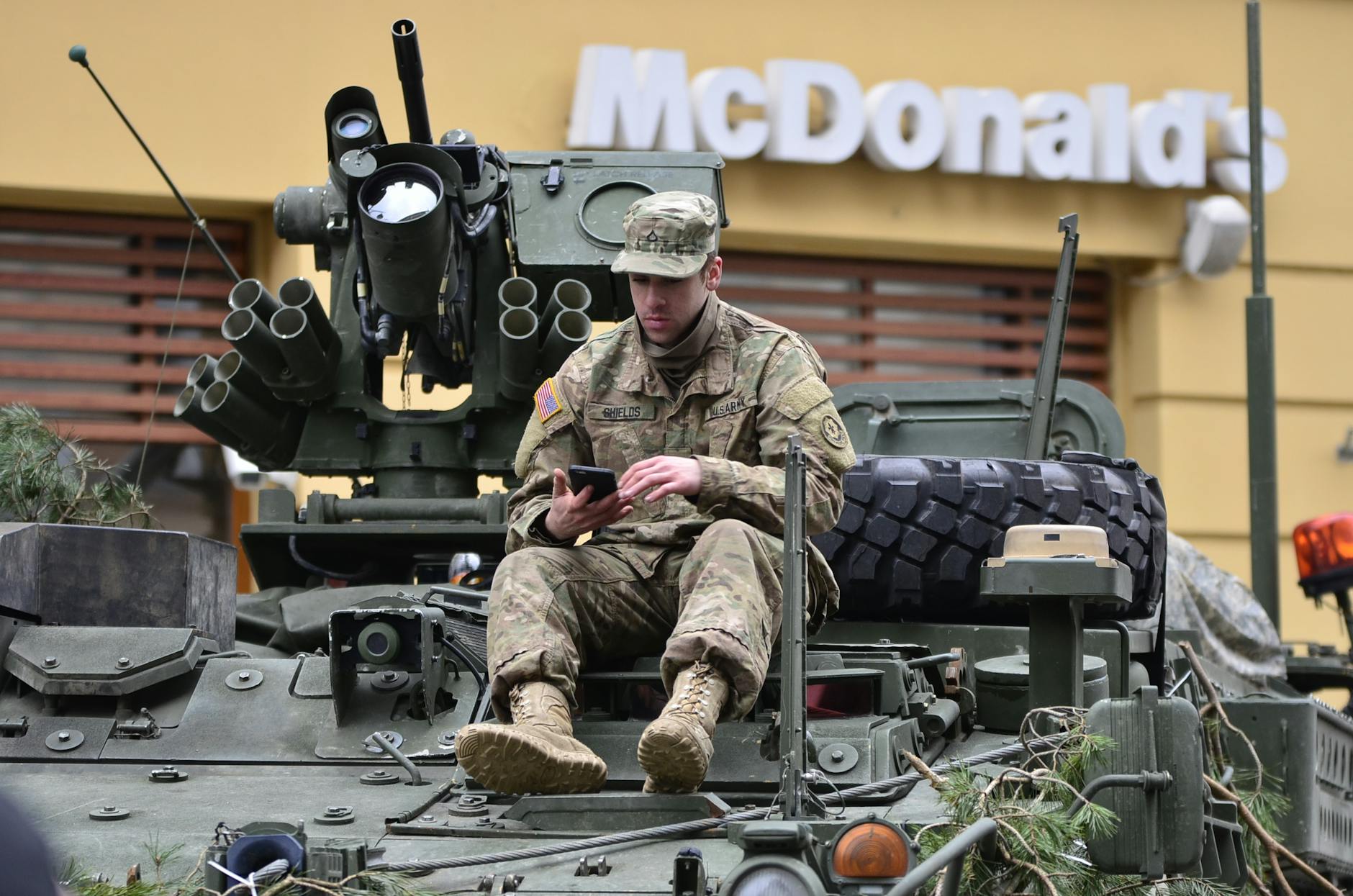
How the Military-Industrial Complex Became the Biggest Industry You’ve Never Heard Of
Let’s play a game. Name the biggest industries in the world.
Technology? Good shout. Apple alone is worth over $3 trillion, and every year they convince us we need slightly shinier phones with slightly better cameras.
Oil? Absolutely. Despite all the “green revolution” talk, the black gold still fuels everything from cars to wars to the bottom lines of billionaires.
Banking? Of course. It’s the only industry where they can charge you for not having enough money.
But what about the elephant in the war room?
The military-industrial complex.
The biggest industry you’ve never heard of (or at least, never get to hear much about unless a war kicks off, in which case, cha-ching!).
This sector rakes in over $2 trillion annually, making it one of the most profitable enterprises on the planet.
And yet, it operates largely in the shadows, tucked away behind security clearances, classified documents and jargon that makes it sound like a logistical headache rather than what it really is: a massive cash cow dressed up in camouflage.
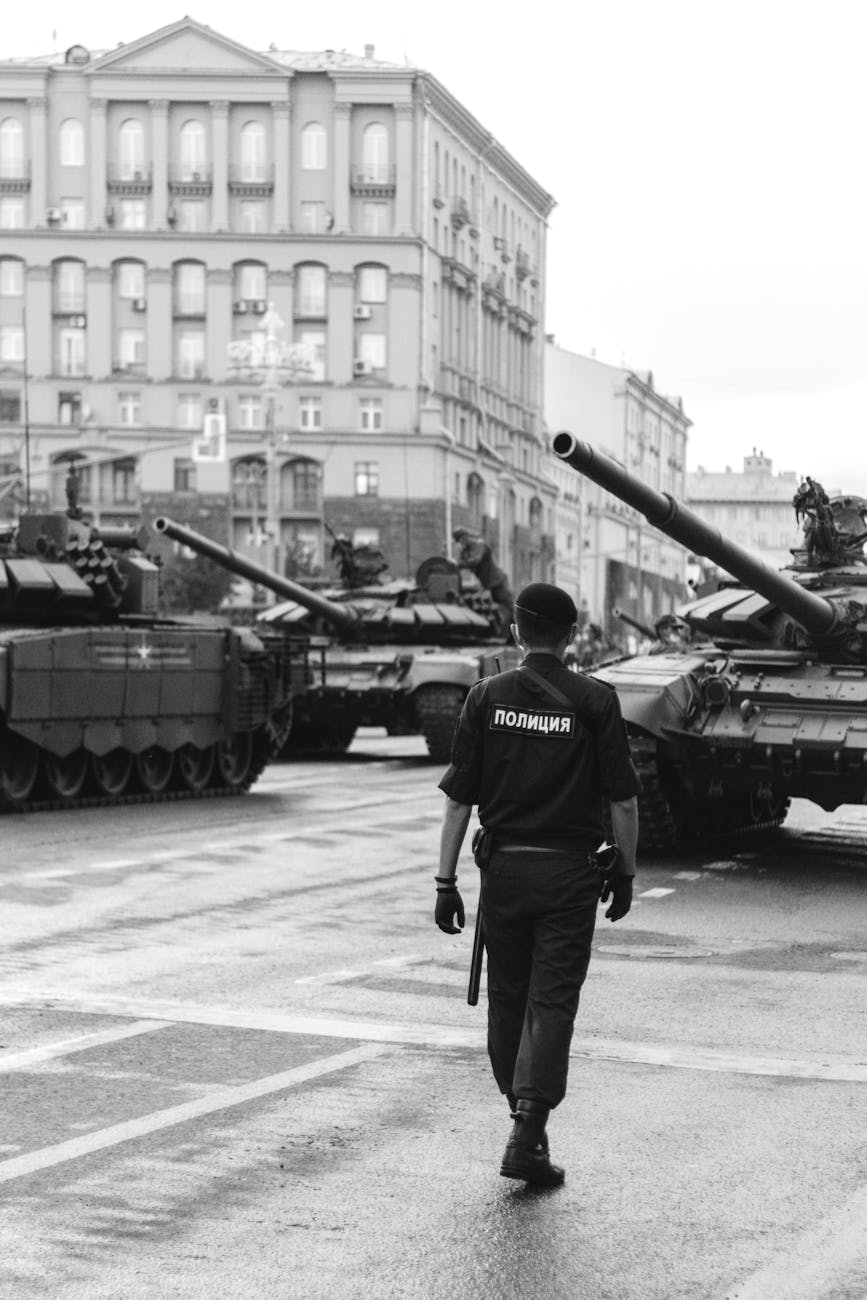
The Business of War (or: How the World’s Richest Countries Keep the Economy Rolling)
Every year, countries pour billions into their armies, weapons, and military tech.
The U.S. alone accounts for nearly 40% of global military spending. China, Russia, India, the UK, France, and Germany aren’t far behind, all scrambling to bulk up their arsenals like they’re prepping for an intergalactic showdown rather than diplomatic negotiations.
And who profits? Private ‘defence’ contractors like Lockheed Martin, Raytheon, Boeing, Northrop Grumman, and General Dynamics — companies that exist purely to make, sell, and upgrade the tools of war.
If peace were truly profitable, they’d be making yoga mats instead of fighter jets.
Yet, despite all this, the military-industrial complex doesn’t get talked about like Big Tech, Big Pharma, or Big Oil.
We hear more about Elon Musk’s latest publicity stunt than we do about the global arms trade.
How does an industry this big stay so low under the radar?
Simple. The best business model in the world is the one nobody notices. No flash. No billboards. No glossy ad campaigns. Just an endless supply of conflict, fear, and political backhanders ensuring that governments keep signing massive contracts, no questions asked.

Where Does Ireland Fit Into This Mess?
Historically, Ireland has sat out the war games, wearing our neutrality like a comfy, slightly battered old jumper.
We’re not in NATO, we don’t get involved in major conflicts, and we prefer our international reputation to be built on good whiskey and Eurovision wins rather than missile contracts.
But times are changing, and suddenly, we’re hearing whispers – no, loud, insistent voices—suggesting that maybe it’s time for Ireland to drop its neutrality and jump on the rearmament bandwagon. Other European nations are pumping up their defence budgets, worried about everything from Russia to AI-driven drone warfare, and there’s pressure on little old us to “modernise” our stance.
And this is where the media comes in. If you want a population to get on board with something they’d normally be against, you start laying the groundwork early.
Take, for example, a recent article in The Guardian titled “Europe is rapidly rearming. Will that leave neutral Ireland defenceless?”
This is a textbook example of manufacturing consent. The argument is clear: everyone else is gearing up for war, so shouldn’t we be? Never mind that most people in Ireland don’t want to be dragged into the military-industrial money machine.
Just keep pushing the message, stoking the fear, and soon enough, neutrality looks less like a principle and more like a liability.
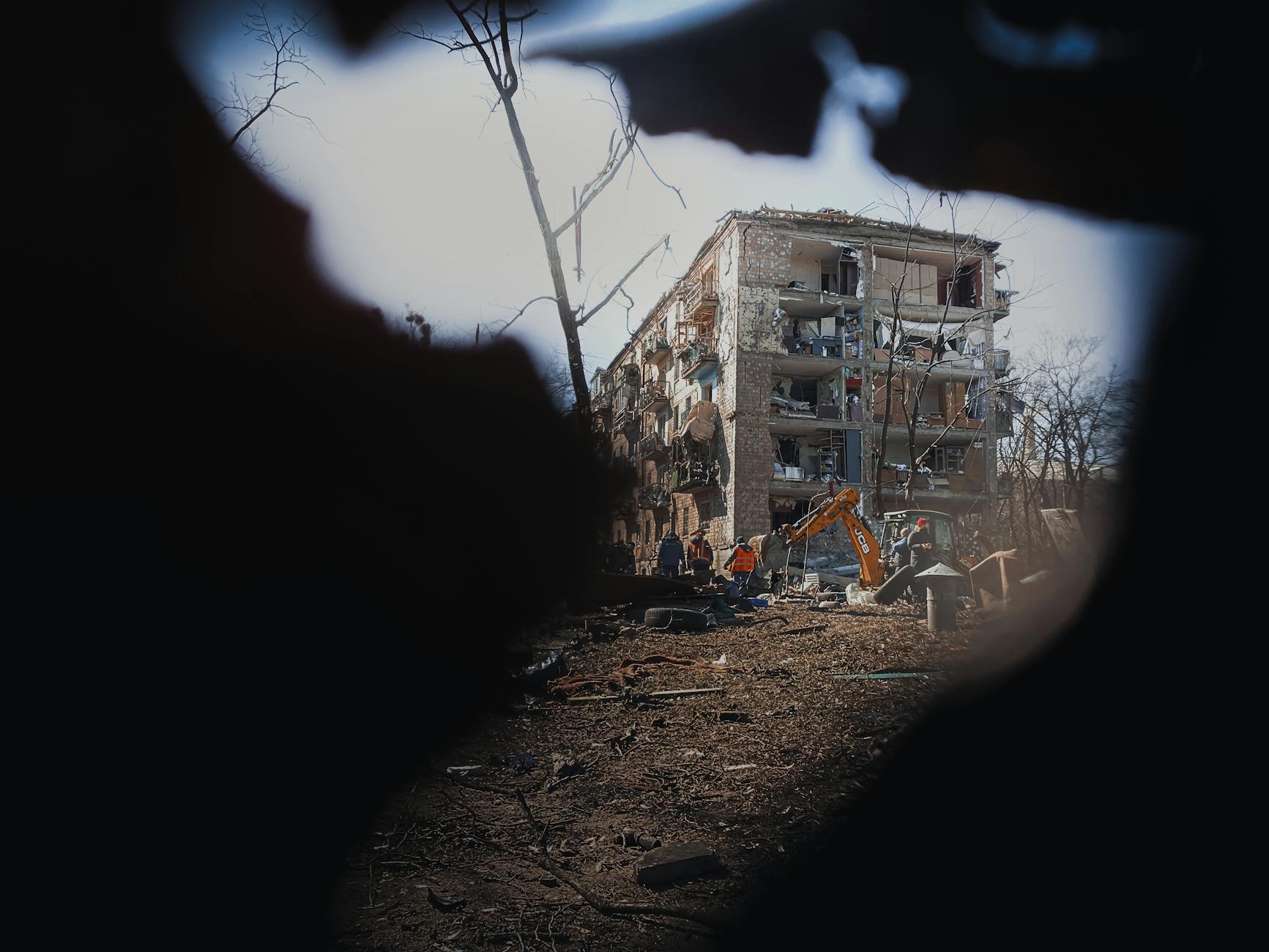
The War Machine Needs New Customers
Here’s the thing about a trillion-dollar industry – it constantly needs to expand.
The arms trade works like a subscription model. If customers stop buying, the whole thing collapses. So they need new markets, new buyers, new reasons to keep the money flowing.
Europe’s current push for rearmament is a dream scenario for the defence industry. More governments investing in weapons? More contracts. More taxpayer money funnelled into private companies.
More speeches about “national security” that just so happen to justify bigger budgets for new aircraft carriers and missile systems.
And now, they’re looking at Ireland and wondering if we’re ripe for conversion.
Are we?
That depends on how good we are at resisting the slow, steady march of economic and political pressure designed to turn us from bystanders into customers.
And make no mistake: it won’t come in the form of a hard sell.
No, no. It’ll be a gentle, reasonable conversation. It’ll sound a lot like “We need to be prepared,” “Ireland needs to take its place in Europe’s defense strategy,” and the ever-popular “The world is changing.”
But before we go signing up for NATO or funneling billions into a military Ireland never wanted or needed, maybe we should be asking who actually benefits. Because it sure as hell won’t be us.
The Bottom Line
War is good business. Always has been. And right now, the world’s biggest industry – the one we never talk about – is making a move on Ireland.
If we don’t start paying attention, we might find ourselves enlisted, not as soldiers, but as customers in an industry that never stops selling.


Leave a Reply