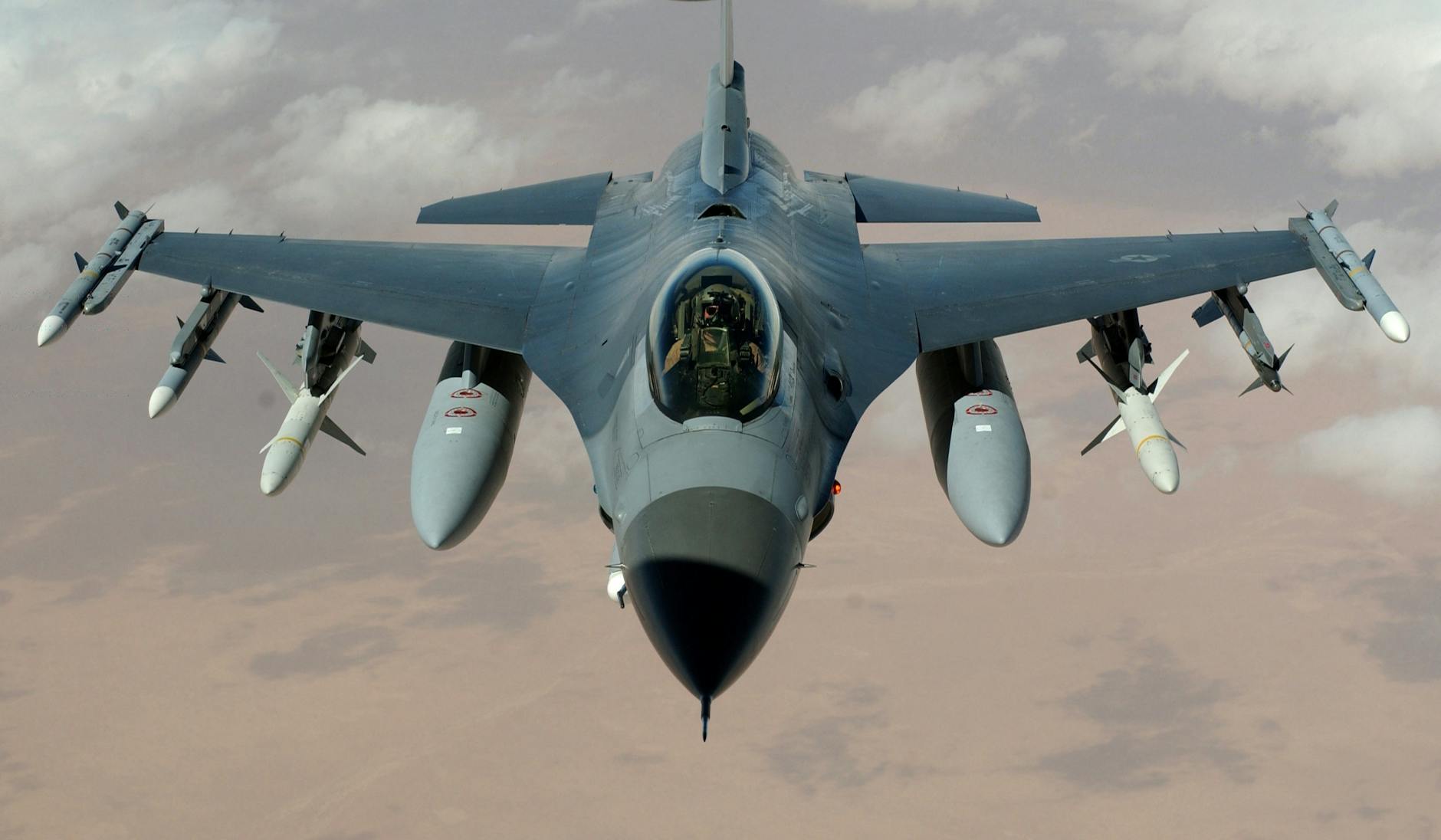
Why Does the Military-Industrial Complex Get All the Money?
Because they own the game.
The Military-Industrial Complex (MIC) isn’t just some shadowy cartel lurking in the background. It’s woven into the very fabric of government. Defence contractors, lobbyists, politicians, intelligence agencies, and think tanks – they all play musical chairs with taxpayer money, ensuring that the cash keeps flowing in one direction: up.
It’s a racket. A well-oiled, taxpayer-funded racket that’s been running so long, most people don’t even question it anymore.
Where Does the Money Go?
Short answer? Into the pockets of the ultra-rich, disguised as ‘national security’ spending.
Long answer? It gets funnelled into an obscene web of overpricing, waste, offshore accounts, private profits, and weapons that either (a) don’t work, (b) don’t need to exist, or (c) get used to obliterate people in far-off lands while politicians pretend it’s all for ‘freedom.’
Here’s how the grift works:
1. The Blank Cheque Syndrome
When it comes to defence budgets, normal rules don’t apply. The Pentagon and its allies ask for billions, and they get it. No debates. No nit-picking. No scrutiny.
Compare that to, say, a discussion on raising the minimum wage, where every cent is weighed like it’s coming out of a dragon’s hoard.
Why? Because politicians on both sides – left, right, centre, doesn’t matter – get campaign donations (read: bribes) from defence contractors. The bigger the budget, the bigger the kickbacks.
Take the U.S. for example: they have a $886 billion defence budget. That’s more than the next ten countries combined. It’s a budget so bloated, even the Pentagon doesn’t know where some of the money goes. Literally. They’ve failed their last six audits. That would get any other government agency shut down. But not the war machine.
2. Weapons That Cost Whatever They Say They Cost
Let’s play a game: how much does it cost to make a single fighter jet?
- The F-35 is supposed to be the most advanced fighter jet in history. It’s also a $1.7 trillion disaster that barely works.
- Each one costs between $80-$135 million. For one plane.
- The B-2 Spirit Stealth Bomber? $2 billion per plane.
- A single Tomahawk missile? $1.9 million. Gone in seconds.
These aren’t prices based on material costs. These are numbers pulled out of thin air. The defence contractors set their own prices, and because the government never argues, they can charge whatever they want.
Ever heard of the $10,000 toilet seat? That was real. The US military has been caught charging $400 for a hammer, $1,280 for a coffee cup, and $640 for a wrench. Not because those things actually cost that much, but because no one in power dares to say no.
3. Endless Wars Mean Endless Profits
War is a business. The longer it lasts, the more money they make. That’s why “wars on concepts” are so popular – War on Terror, War on Drugs, Cold War 2.0, Cyberwarfare. These wars never end, because if they did, so would the cash flow.
Weapons manufacturers don’t want peace. They want contracts. And the best way to secure those contracts is to make sure there’s always an enemy. Whether it’s the Middle East, China, Russia, or an invented bogeyman, the cycle repeats:
- Create an enemy. (Propaganda, false flags, media manipulation.)
- Sell weapons to fight them. (Billion-dollar contracts.)
- Destroy everything. (Airstrikes, drones, invasions.)
- Sell weapons to rebuild the country they just destroyed. (Even more contracts.)
- Move on to the next target. (Rinse and repeat.)
Every war is a money-laundering scheme where taxpayer funds are funneled straight into corporate bank accounts.
4. The Revolving Door: Politics and Profits
Ever wonder why no politician ever seems to do anything about this? Because the second they leave office, they get hired by the defence contractors.
Look at this lovely career path:
- Politician → Votes for war, boosts military budget
- Lobbyist → Takes a “consulting” job at Lockheed Martin or Raytheon for millions
- Think Tank Analyst → Shows up on TV, arguing for more defence spending
- Government Official → Appointed to ‘study’ national security, recommends more war
- Repeat Cycle
And this isn’t just the U.S. In the UK, BAE Systems is everywhere. In Ireland, neutrality is under constant attack by “security analysts” conveniently linked to NATO-aligned think tanks. Across Europe, arms companies are quietly dictating foreign policy.
Meanwhile, public services crumble. Nurses beg for raises. Teachers strike for better pay. Infrastructure collapses. But when it’s time to buy another fleet of jets? Suddenly, the money is there.
So Where Does the Money Go?
- To Defence Contractors: Raytheon, Lockheed Martin, BAE Systems, Northrop Grumman, Boeing—all raking in billions in pure profit.
- To Politicians and Lobbyists: They keep the system running, lining their pockets along the way.
- To Useless, Overpriced Equipment: Planes, ships, and weapons that break, fail, or never even get used.
- To Perpetual War: Ensuring there’s always a reason to keep spending.
And where does it not go?
- To healthcare.
- To housing.
- To education.
- To infrastructure.
Because helping people doesn’t generate endless, untraceable profit. War does.
The Bottom Line
The Military-Industrial Complex is a parasite. It doesn’t defend. It devours. It doesn’t make the world safer. It creates chaos to justify itself.
They say “national security” but mean corporate profit. They say “protecting democracy” but mean pillaging the treasury.
And they get away with it because we let them.
Until people start asking: “If we can afford all this for war, why can’t we afford it for life?”, nothing will change.
And they’re counting on that.
 Domesticky
Leave a reply to This Is What Resistance Looks Like (On a Budget and With a Mortgage) – Domesticky Cancel reply